Bulk milk cooling that keeps collection quality steady
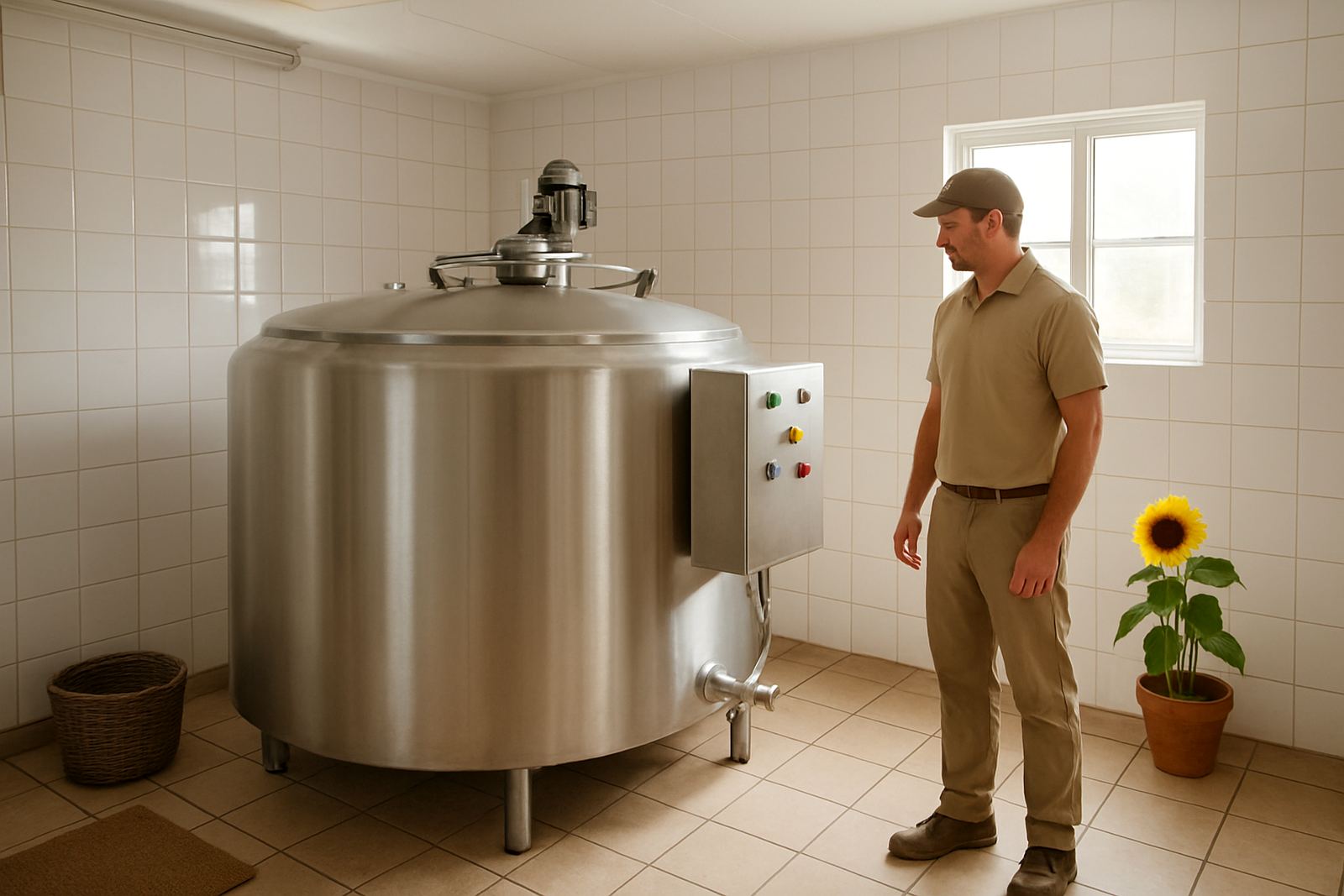
A milk cooling tank is a purpose built insulated vessel that chills raw milk quickly after milking and keeps it at safe storage temperature until collection. The aim is simple, keep the milk clean, cold and consistent so bacterial growth stays down and the product reaches the processor in good condition.
For dairy farms around Gqeberha, Uitenhage, Despatch, Jeffreys Bay, Graaff-Reinet and Port Alfred, a properly sized tank is part of everyday production control. It needs to handle peak milking volumes, cope with summer heat and still recover temperature fast after each delivery from the parlour. If the tank is undersized, milk warms up too slowly or the compressor runs too often. If it is too large, you pay for more power and less efficient cooling. Small detail, but it matters.
Sizes and build options for different herd sizes
Milk cooling tanks are available in a range of capacities to suit smallholder operations, medium dairies and larger collection points. Common sizes start around 500 litres and move through 1 000, 2 000, 3 000, 5 000 and 10 000 litres, with custom build options for higher daily intake. The right choice depends on daily yield, collection interval, available floor space and whether you milk once or twice a day.
- Direct expansion tanks for fast cooling and efficient temperature pull-down
- Vertical or horizontal tank layouts depending on plant room and access space
- Agitator fitted models for even milk temperature and cream control
- Single phase or three phase power options where site supply allows
- Stainless steel product contact surfaces for hygiene and easy wash down
Tank insulation, lid sealing and agitator design all affect running cost. On coastal sites, we also look at corrosion resistance, cable protection and how the unit will cope with salt air and damp mornings.
Where milk cooling tanks fit best on site
These systems suit dairy sheds, on farm milking parlours, milk collection points, co-op receiving bays and small processing sites that need short term chilled storage. They work well where milk is collected in batches and must stay within the required cold range before transfer or pickup.
Good site planning is part of the job. We look at the floor level, drainage, hose access, traffic flow for delivery vehicles and whether the tank can be cleaned without awkward lifting or unsafe reach points. In colder inland areas like Graaff-Reinet, the daily temperature swing can change how the system cycles, while in Gqeberha and Jeffreys Bay humidity can affect nearby electrical gear and control panels.
- Need a protected plant room or service space around the tank
- Allow clear access for cleaning, inspection and breakdown work
- Plan floor drainage for wash water and spill control
- Keep the unit out of direct sun where possible
Installation, power supply and cooling gas requirements
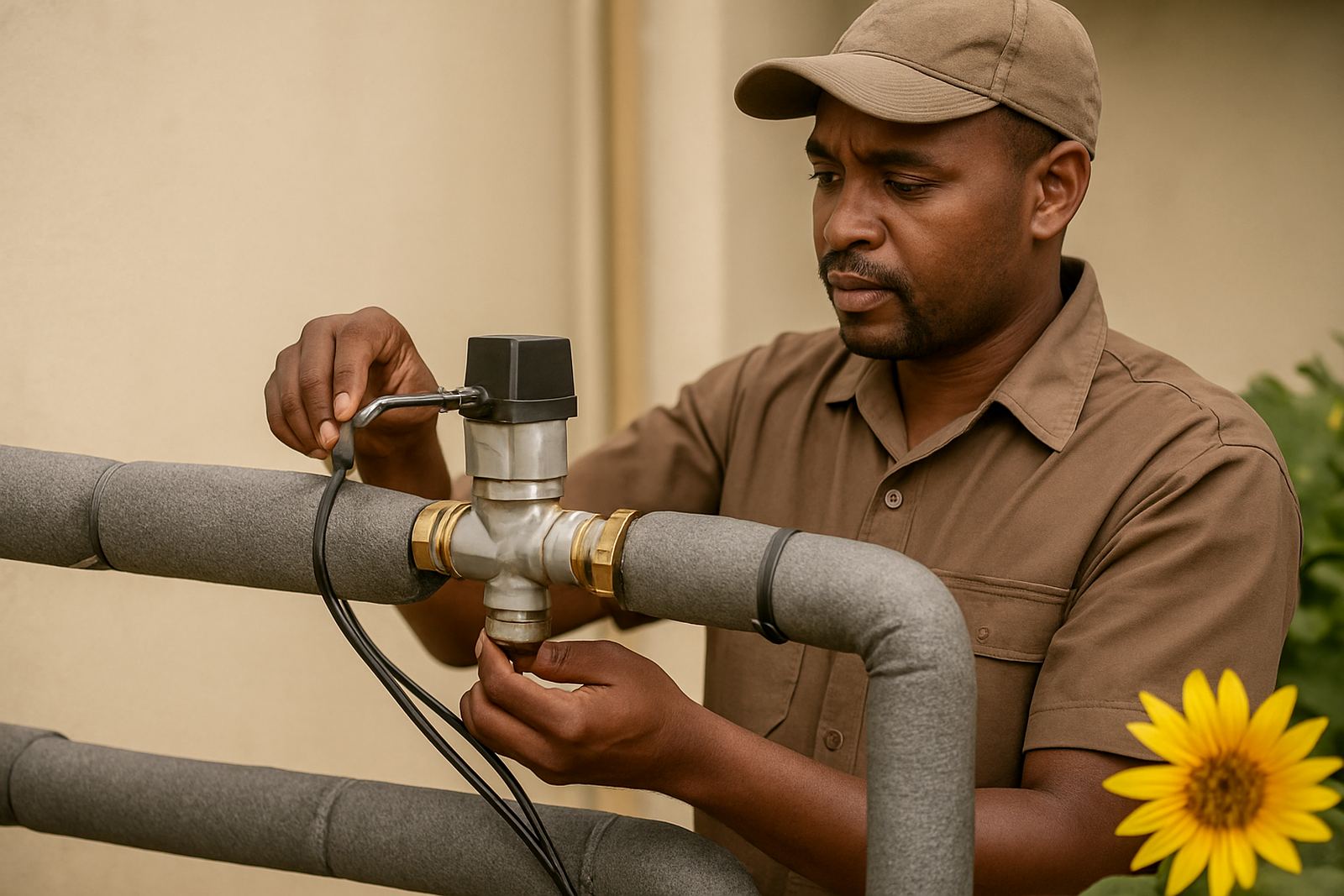
Installation must be done carefully, because milk cooling performance depends on correct pipework, airflow and electrical setup. We check the compressor location, condenser ventilation, starter protection and temperature controls before commission. If the tank is part of a larger refrigeration circuit, the gas charge and line sizes must be matched to the cooling duty, not guessed from a chart stuck to the wall.
Some tanks use integrated refrigeration, while others connect to a remote condensing unit. Either way, the power supply must be stable enough for starting current and continuous running. On farms with load shedding or weak supply, a backup plan is worth considering, including generator changeover, surge protection and control settings that recover well after an outage. If the site has to run through municipal interruptions, the tank should be set up to hold temperature as long as possible with minimum warm up.
We also check for safe refrigerant handling where low-GWP gas options are used. Correct charging, leak testing and label updates are part of the setup, along with a simple service record so the team on site knows what has been fitted and when it was last checked.
Routine care that protects milk quality and equipment life
Milk cooling tanks need regular care if they are going to stay sanitary and efficient. That includes wash down, agitator checks, sensor testing, gasket inspection, condenser cleaning and a look at the compressor sound and starting pattern. A tank that takes longer to reach set temperature is often telling you something, even before a breakdown shows up.
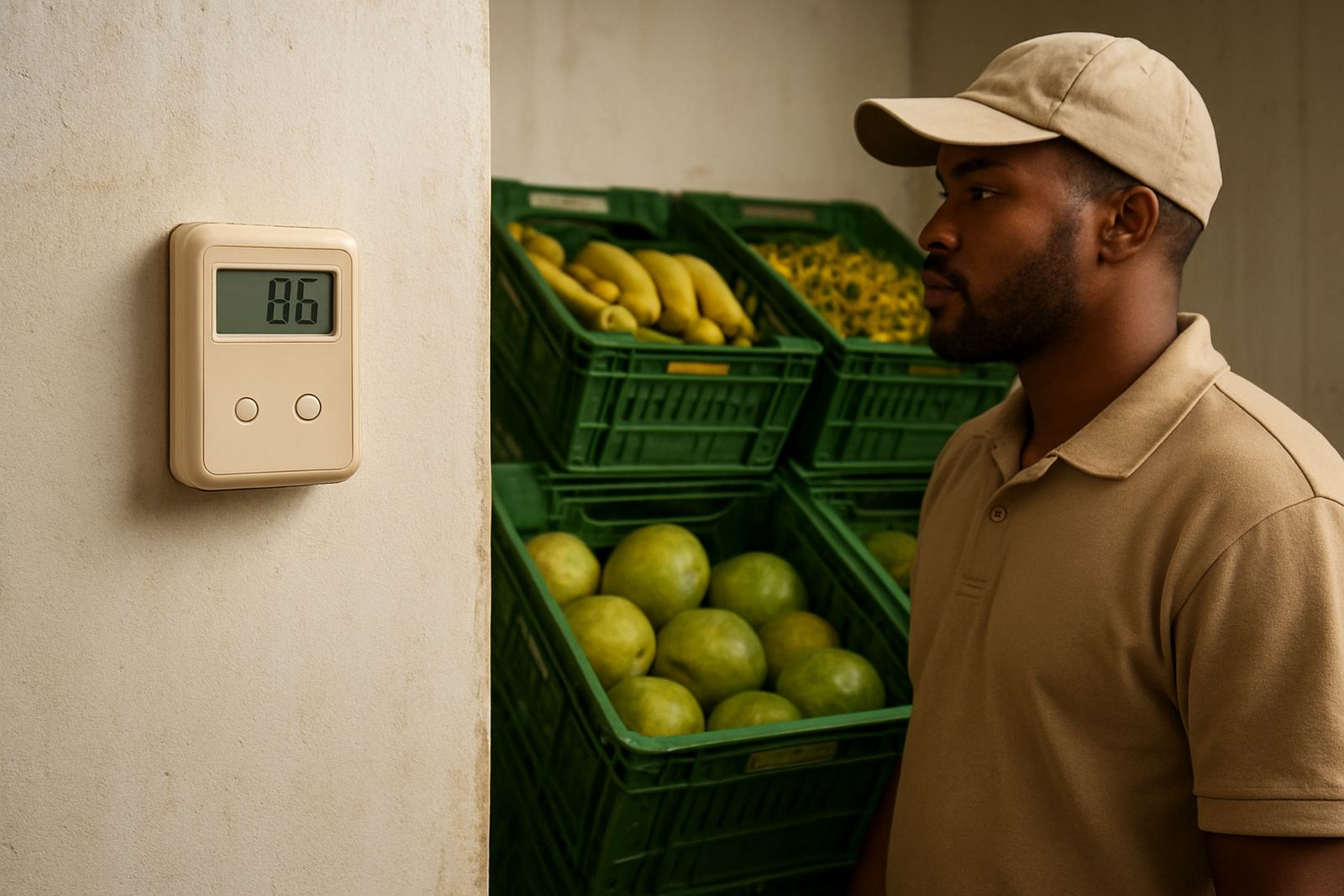
Our planned maintenance work covers cold room style controls, leak detection, coil cleaning and temperature monitoring where farms need better tracking of milk safety. We can also assist with emergency breakdowns when a unit fails after hours or over a weekend, because milk cannot sit warm while a fault is being sorted out on Monday morning.
- Clean product contact areas after every collection cycle
- Check agitator operation and unusual vibration
- Watch for ice build up on evaporator surfaces
- Inspect seals, valves, wiring and control readings monthly
- Keep a service log for inspections, repairs and gas top ups
What to check before you place an order
Before you order, measure the average daily milk volume, peak output, collection timing and available space. Check whether the site has three phase power, what backup supply is in place and if the floor can carry the full loaded weight of the tank. It also helps to confirm access for installation equipment, especially where the plant room is tight or the collection point shares space with other farm activity.
Ask what temperature range the tank is designed to hold, how fast it cools a fresh batch and what cleaning method is expected. If you are planning future growth, allow extra capacity now rather than replacing the tank too soon. Our team can talk through energy use, maintenance access and whether a retrofit on an older cooling system would save more than a full replacement.
For farms and collection points across the Eastern Cape, the right milk cooling tank should be practical, easy to clean and able to keep working when conditions are not ideal. That is where correct sizing and good servicing make the difference.
Key facts
| Capacity range | 500 litres to 10 000 litres, with custom options available |
|---|---|
| Cooling type | Direct expansion or remote refrigeration setup |
| Temperature control | Digital control with set point monitoring and alarms |
| Construction | Insulated tank with stainless steel product contact surfaces |
| Power supply | Single phase or three phase, subject to site load |
| Typical use | On farm milk storage, collection points and small dairy receiving bays |