What an electronic expansion valve does in a working system
An electronic expansion valve, or EEV, meters refrigerant into the evaporator with far finer control than a basic mechanical valve. It uses a controller and a stepper motor to open or close in small increments, so the system can match refrigerant flow to changing load instead of overfeeding or starving the coil. That matters in warm coastal conditions, during load-shedding recovery, and on sites where doors open often or production shifts through the day.
In plain terms, the valve helps the evaporator stay in the right operating range. That supports stable superheat, cleaner coil performance and better compressor protection. For chillers, cold rooms, process cooling and display systems, the result is usually steadier temperatures and less wasted power.
- Precision refrigerant metering for changing load conditions
- Better superheat control than fixed or thermostatic valves
- Useful on inverter-driven and fixed-speed equipment
- Helps reduce hunting, floodback and unnecessary compressor strain
Valve sizes, control options and common specifications
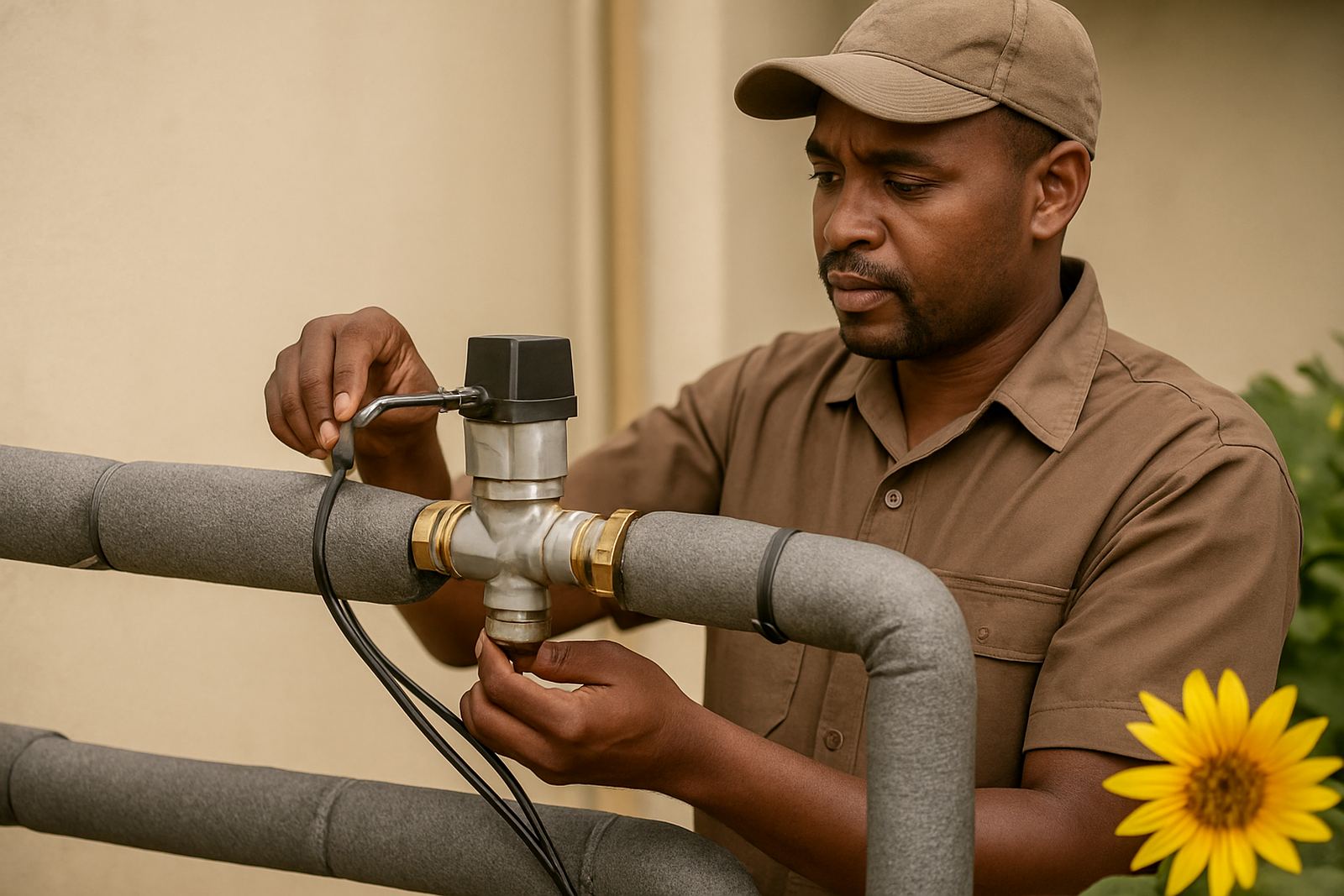
EEVs are selected by refrigerant type, capacity range, pipe size and the controller signal used on the system. We supply valves for small condensing units through to larger chiller circuits, with body and connection options suited to new builds and retrofit work. Some units are supplied as valve only, while others come as a matched assembly with driver, temperature sensors and pressure inputs.
Typical options include solder, flare or threaded connections, with bodies sized to suit compact equipment rooms and larger plant skids. Stroke speed, step count and coil voltage vary by model, so matching the valve to the controller is important from the start.
- Connection sizes commonly from 1/4 inch to 1 3/8 inch, depending on duty
- Stepper motor control with pulse-driven positioning
- Compatible with low and medium temperature refrigerant circuits
- Options for internal or external pressure equalisation, where applicable
For chilled water plants and room coolers, the control package normally includes evaporator temperature sensing, suction pressure reading and a controller that keeps superheat within target. On some systems, the valve can also communicate with a building management system or local control panel for monitoring and alarms.
Where an EEV suits best on Eastern Cape sites
EEVs suit systems that need accurate part-load control or work under changing ambient conditions. In Gqeberha, that often means cold rooms near the harbour, coastal packhouses, supermarket plant rooms, food prep spaces, and chiller installations where salt air and heat can push equipment hard. They are also a strong fit for Uitenhage and Despatch factories where process loads change through the shift.
They are commonly used on:
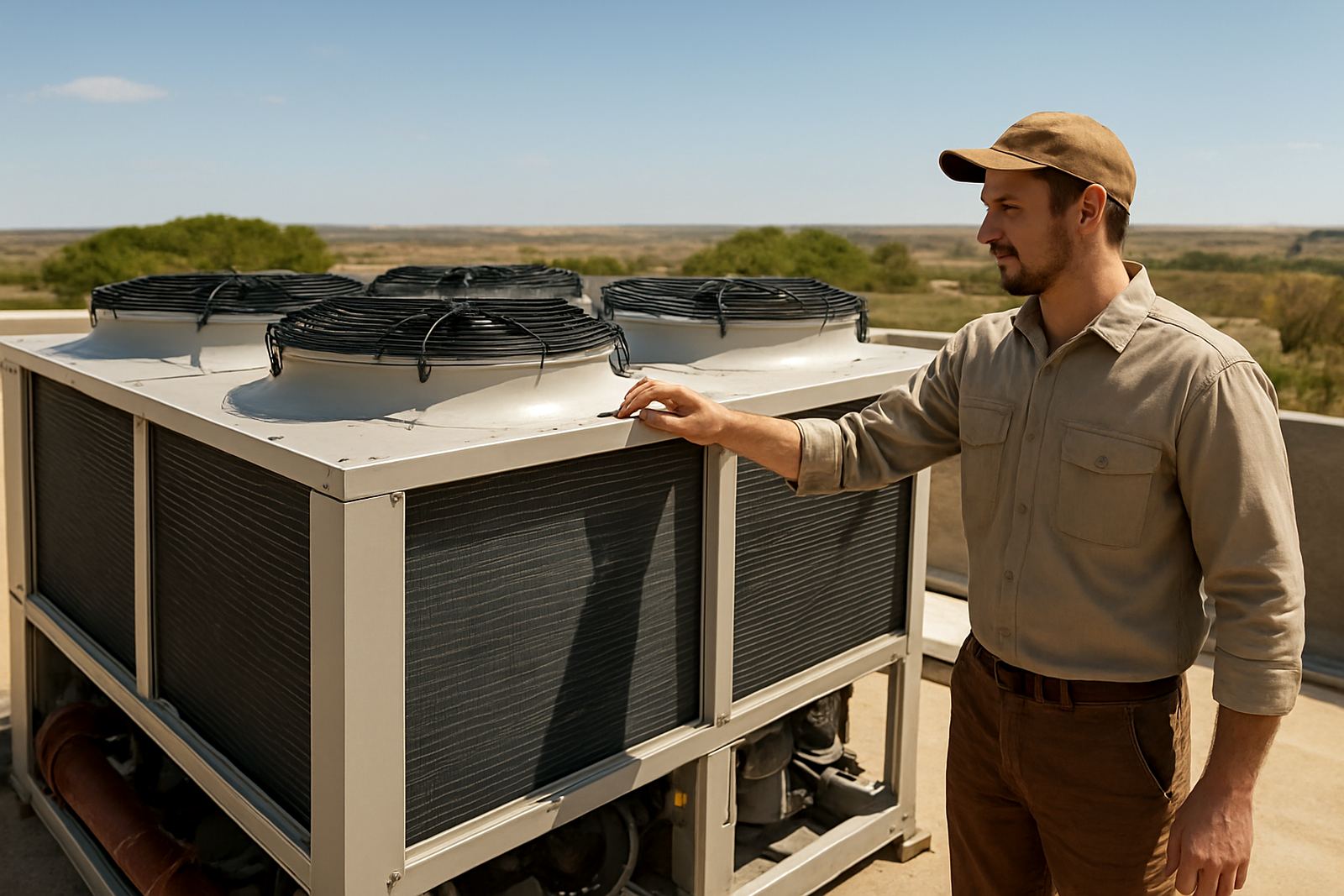
- Chillers for process cooling and comfort cooling
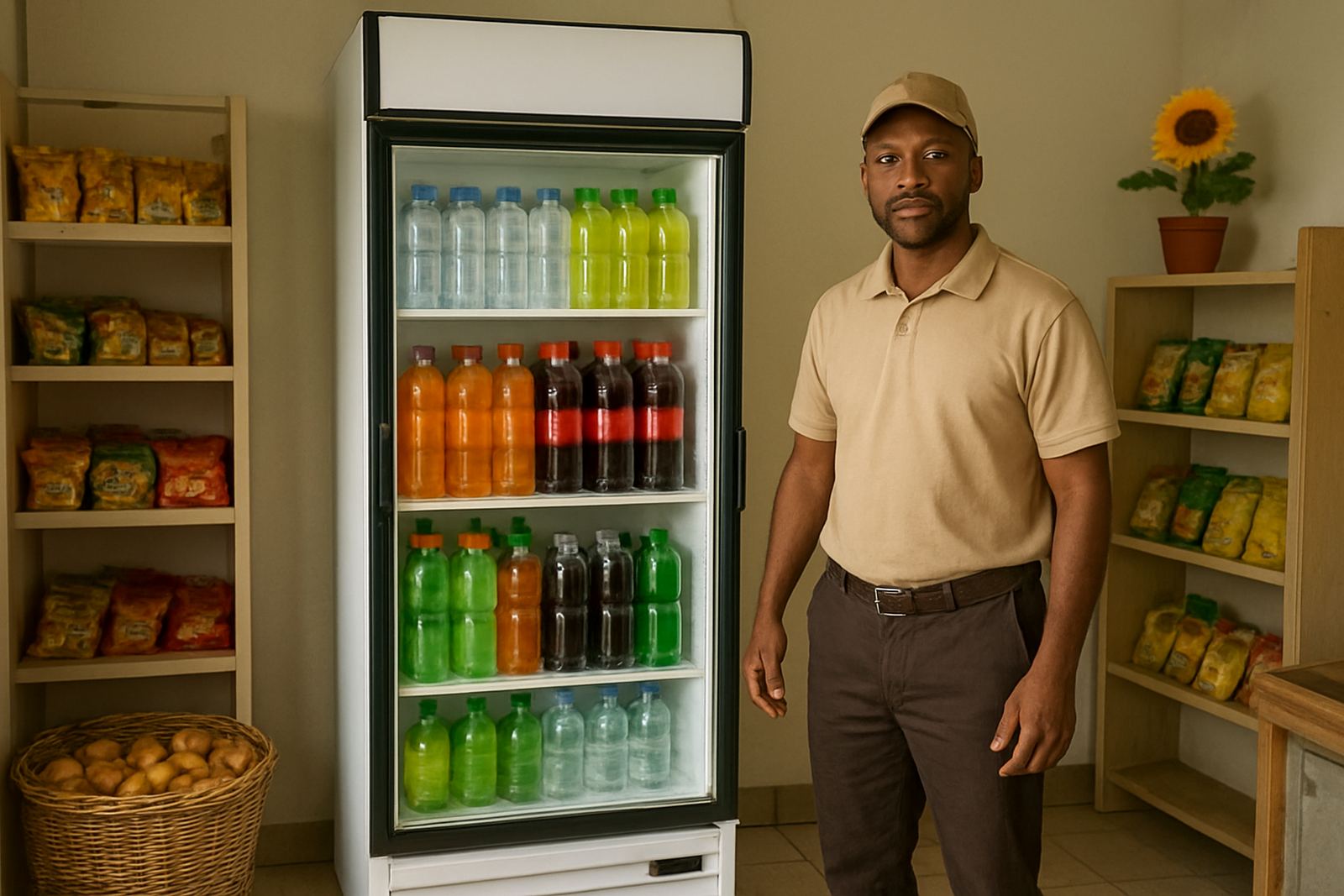
- Cold rooms and freezer rooms with frequent door cycles
- Air handling and coil systems needing tighter control
- Retrofit projects where old valves struggle to hold stable superheat
On sites in Jeffreys Bay or Port Alfred, where humidity and coastal corrosion can affect electrical parts, it helps to protect sensors, cable terminations and control enclosures properly. For Graaff-Reinet and inland sites, the benefit is often load response during hot afternoons and reduced waste during low occupancy periods.
Installation needs, power supply and refrigerant matching
Installing an EEV is not just a matter of changing the valve body. The system must be checked for refrigerant type, piping layout, oil return, superheat control and sensor placement. The controller needs a stable power supply, clean electrical connections and correct programming. If the site is exposed to load-shedding, we also look at restart behaviour and how the control system recovers after power returns.
Before fitting, the circuit should be pressure tested, evacuated and dried properly. Any contamination in the line can damage the valve seat or cause erratic operation. On retrofits, we often check whether the existing distributor, strainer and filter drier are still suitable, because a new valve will not fix a dirty system.
- Power input commonly 24 V AC/DC or as specified by the controller
- Works with the correct driver module and refrigerant sensor set
- Needs proper suction pressure and temperature measurement points
- Should be installed with accessible service space for testing and replacement
For ammonia, CO2 or low-GWP conversion work, the valve selection must suit the refrigerant properties and operating pressure range. That is where careful sizing matters most, because a valve that is too small or too large will give poor control and shorten equipment life.
Care, servicing and fault signs to watch for
EEVs need less manual adjustment than older valves, but they still need regular inspection. On maintenance visits we check sensors, wiring, valve response, coil cleanliness, refrigerant charge and signs of hunting or unstable superheat. If a site has dusty conditions, oily residue or coastal moisture, the valve area and electrical terminals need extra care.
Common fault signs include temperatures drifting, short cycling, alarms on the controller, frost patterns that look uneven, or a compressor running harder than it should. You may also hear the system hunting as the valve opens and closes too often. That can be caused by a bad sensor, poor programming, low refrigerant charge or a valve motor fault.
- Check sensors are firmly mounted and reading accurately
- Inspect for loose cables, corrosion and water ingress
- Clean coils and confirm airflow across the evaporator
- Verify superheat settings after any gas top-up or conversion
Planned maintenance helps prevent small control issues becoming costly breakdowns. On chilled stores and food sites, a missed valve fault can lead to product loss fast, especially when power interruptions or high ambient temperatures put the plant under pressure.
What to send when ordering the right valve
To match the correct electronic expansion valve, we need a few basics from the system. The refrigerant type is first, then the capacity, evaporating temperature range and whether the unit is a chiller, cold room or specialised process application. If the plant has already been converted to a low-GWP gas, that must be confirmed before any part is selected.
Please also send the valve connection size, controller details if available, and whether you need the valve only or a full kit with sensors and driver. For retrofit work, it helps to know the existing make-up of the circuit, including compressor type, evaporator arrangement and any expansion valve faults already seen. Photos of the old valve, control box and nameplate save time too.
- Refrigerant type and charge history
- Capacity, temperature range and application
- Pipe connection size and fitting type
- Controller model or control signal required
If you are not sure, Nvirocool can assess the site from Newton Park or on location in Gqeberha, Uitenhage, Despatch, Jeffreys Bay, Graaff-Reinet or Port Alfred. We handle supply, installation, planned maintenance and emergency breakdown support, so the valve is matched to the plant instead of guessed at.
Key facts
| Product type | Electronic expansion valve for refrigeration and chiller control |
|---|---|
| Control method | Stepper motor with controller-driven modulation |
| Typical use | Chillers, cold rooms, freezers, process cooling and retrofit projects |
| Connection options | Solder, flare or threaded, depending on model |
| Power requirement | Usually 24 V AC/DC or controller specified supply |
| Service focus | Superheat control, load response, fault finding and retrofit matching |