What a beer line chiller does
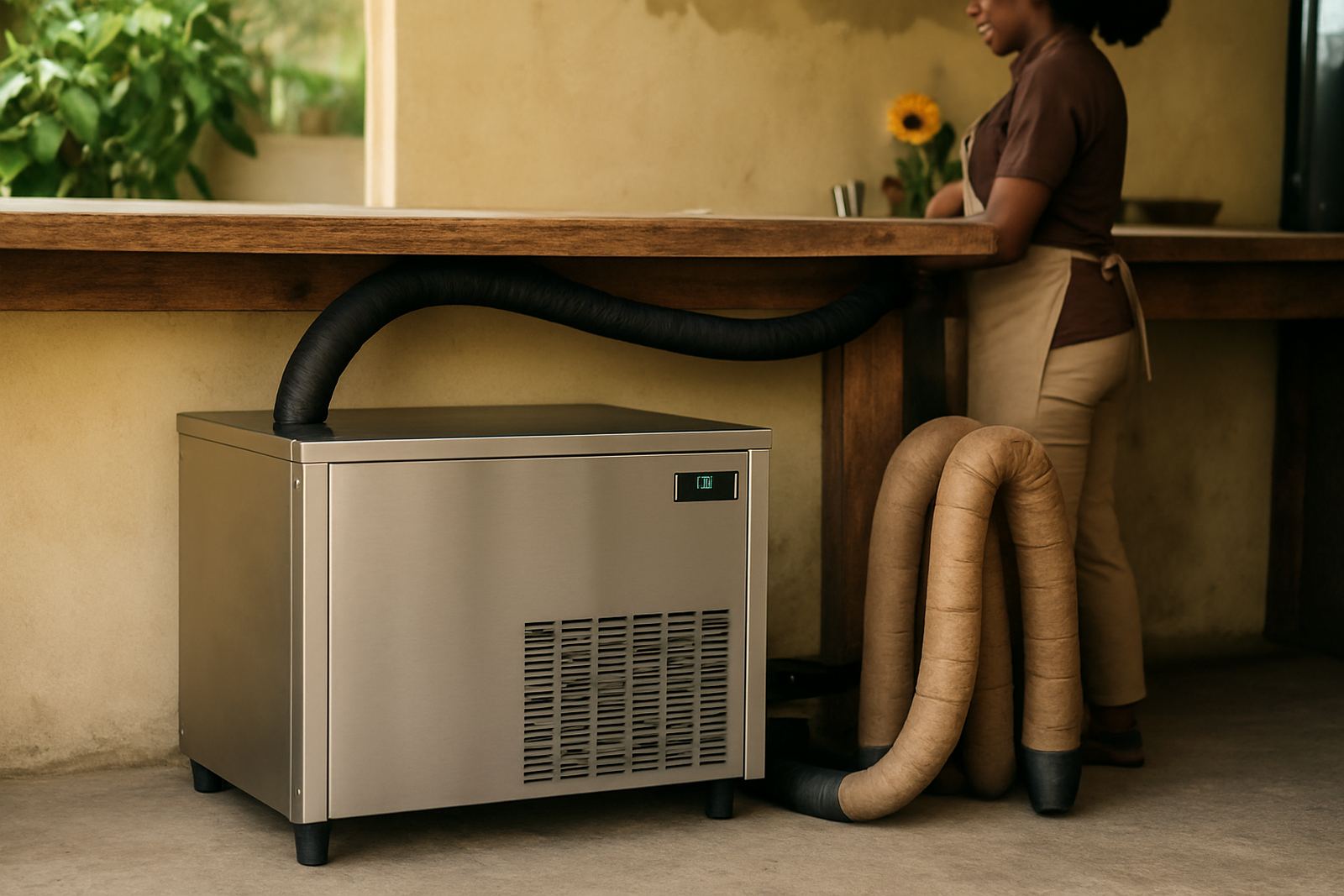
A beer line chiller is a compact refrigeration unit that cools the beverage line on its way to the tap. In simple terms, it keeps product at serving temperature between the keg, cellar or cold store and the point of pour, so the first glass and the last one come out at the same temperature.
These units are used where the lines run longer than ideal, where the tap point is away from the main cold room, or where a venue needs steadier serving temperatures during busy periods. In summer Gqeberha heat, or at outdoor events where the line passes through warmer spaces, a good chiller can make a noticeable difference. It also helps reduce foaming, waste and complaints from customers who do not want a warm pour.
- Keeps beverage lines cold from source to tap
- Helps manage foam and temperature swings
- Useful for bars, canteens, function venues and temporary event bars
- Supports more consistent pours during peak trading
Sizes, configurations and practical options
Beer line chillers come in different capacities, depending on how many lines must be cooled and how far the product has to travel. Small packaged units suit one to four lines. Mid-size units are better for busy bars with several taps, while larger skid-type setups can handle longer runs and more demanding sites. The right unit depends on line length, ambient temperature, insulation and how often the taps are used.
Typical options include single circuit or multi-circuit cooling, stainless or coated cabinets, and units set up for fixed bar counters or mobile event use. Some installations include a cold plate or glycol-style circuit to keep temperature stable over longer runs. If the room is hot or the line crosses a ceiling void or service corridor, insulation quality matters a lot. A poorly insulated run can undo most of the benefit pretty quickly.
- 1 to 4 line compact units for smaller bars and functions
- Multi-line units for high-volume venues
- Cabinet or undercounter formats depending on the bar layout
- Options for fixed installation or transportable event use
Where these chillers work best
These chillers suit pubs, restaurants, sports clubs, bottle stores with tap points, hotels, conference venues and event operators. They are also useful at temporary bars, festival setups and hospitality tents where the cooler or keg room cannot sit right next to the service point. In Eastern Cape towns like Jeffreys Bay, Port Alfred and Graaff-Reinet, where some venues deal with heat, dust or salt air, keeping the unit in a sheltered position helps extend service life.
They work well where floor space is tight and the beverage line must pass through kitchens, storerooms or customer areas. If the site is near the coast, the cabinet and fittings should be checked for corrosion resistance. For indoor bars, the main concern is usually ventilation around the condenser and enough access for cleaning. A chiller tucked into a tight cupboard without airflow will struggle and draw more power than needed.
- Bars and restaurants with remote taps
- Sports clubs and social venues
- Hotels, conference centres and function rooms
- Temporary bars and mobile serving points
Installation, power and gas requirements
Correct installation is just as important as the unit itself. The chiller needs level placement, clear airflow and enough access for cleaning and servicing. Lines must be insulated properly and routed with care, because bends, pinch points and long warm sections can affect performance. Our team checks the line run, the available space and the electrical supply before fitting anything.
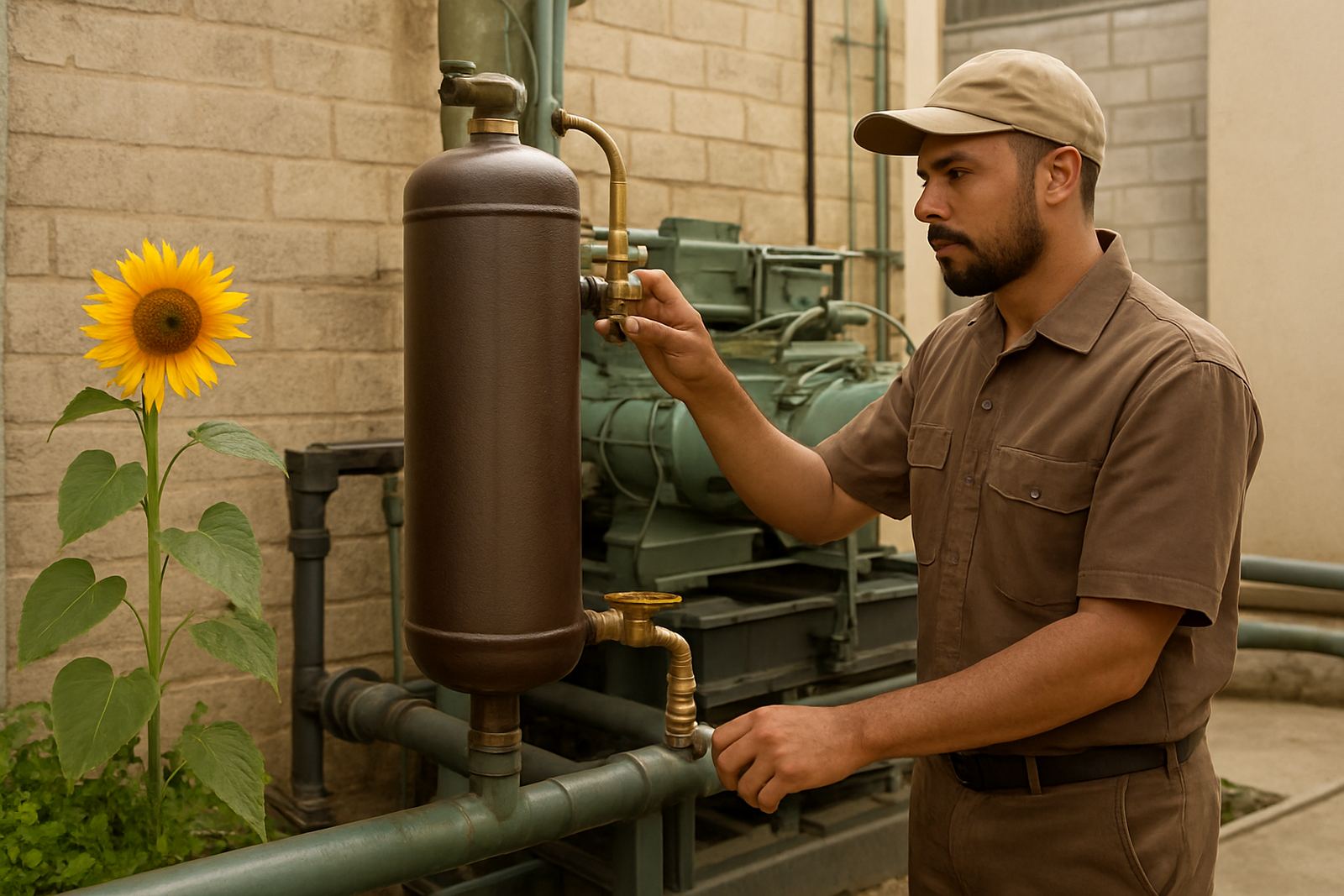
Most small packaged chillers run on standard single-phase power, though the exact draw depends on the size and compressor type. A stable supply with proper protection is important, especially where load-shedding or poor municipal supply causes surges and drops. If the site uses gas-assisted systems or adjacent beverage equipment, we also check for safe routing and compliance around the installation area. Where needed, we can set up controls so the unit cycles correctly and does not run harder than necessary.
- Stable single-phase supply for many small units
- Clear ventilation around the condenser and service panels
- Insulated beverage lines with neat routing
- Protection against power dips, surges and load-shedding issues
Care, cleaning and planned servicing
Beer line chillers need regular care if they are to hold temperature properly and avoid unnecessary breakdowns. Dust, sticky residue and blocked airflow all affect performance. In bar environments, the area around the unit often collects crumbs, spills and grease, so cleaning is not just for appearance. It keeps the machine working and helps the product taste as it should.
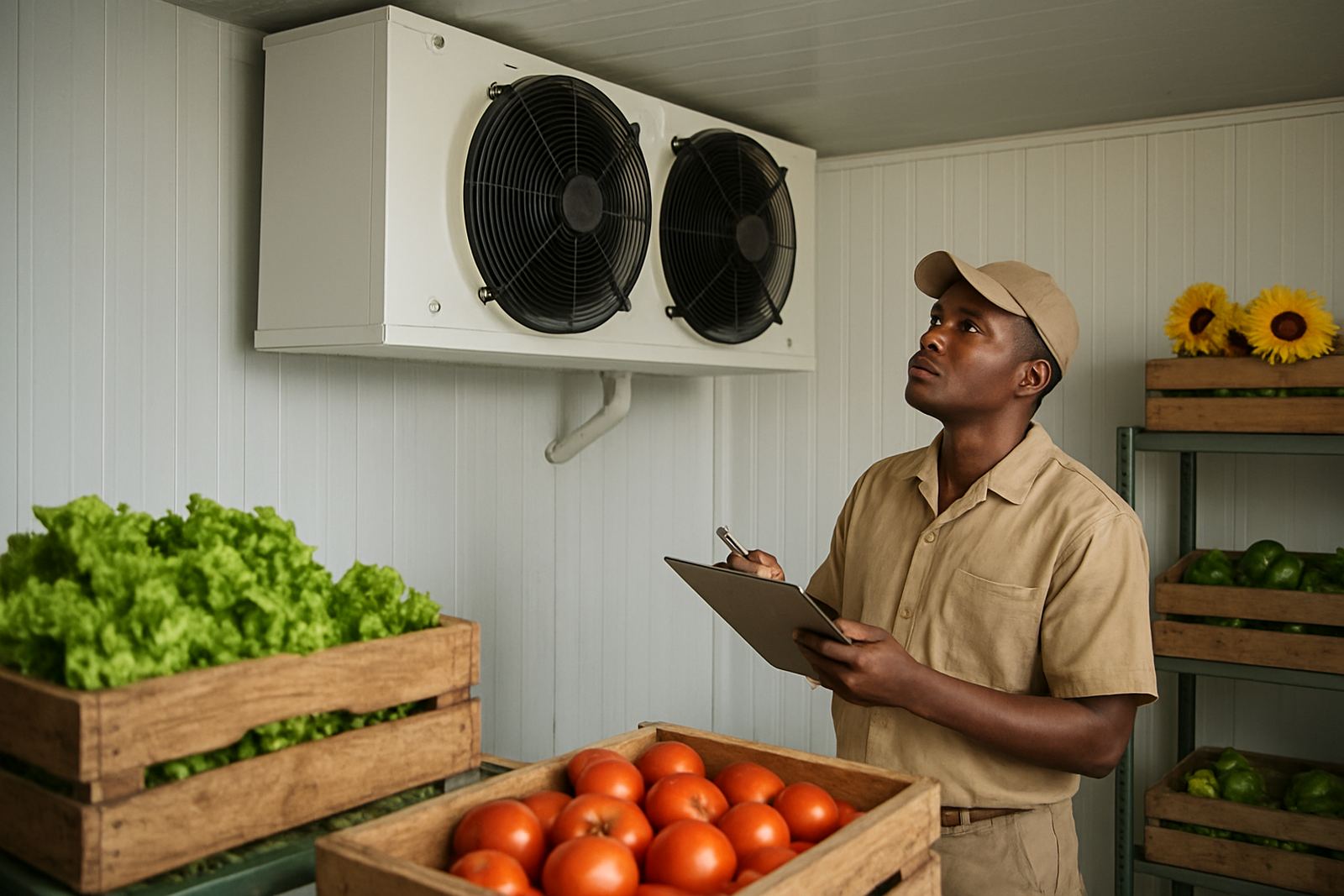
Our planned maintenance covers condenser cleaning, fan checks, electrical inspections, temperature checks and line condition reviews. We also look for refrigerant leaks, worn seals and control faults before they become a bigger problem. For coastal sites, extra attention is given to corrosion, fasteners and cabinet condition. A small issue caught early can save a full service stop later on, which is never great on a Friday night when the place is full.
- Clean condensers and vents regularly
- Check temperature holding and thermostat function
- Inspect line insulation and fittings
- Watch for leaks, rust and noisy fans
What to check before you order
Before ordering a beer line chiller, it helps to know how many lines must be cooled, the approximate line length, the serving temperature needed and whether the unit will be fixed in one place or moved between events. You should also know the power point location, the available ventilation and whether the bar runs in a hot room, a covered outside area or a fully enclosed space. These details guide the size and spec better than guessing.
If you are replacing an existing unit, note the current faults, the age of the system and whether the problem is poor cooling, foam, tripping or high electricity use. If the unit will sit in a coastal venue, ask about suitable finishes and service intervals. For venues in Gqeberha and the wider Eastern Cape, we also check whether the beverage line route is practical for maintenance access, because a hidden fitting behind fixed counters can turn a simple repair into a headache.
- Number of lines and line length
- Serving temperature target and product type
- Power supply and available space
- Indoor, outdoor or mobile use
- Need for fixed installation or portable setup
Key facts
| Typical capacity | 1 to 4 lines on compact units, larger options available for busier bars |
|---|---|
| Power supply | Usually single-phase 220 to 240 V, subject to unit size |
| Cooling method | Refrigeration-based beverage line cooling with insulated product routes |
| Temperature control | Thermostat or electronic control, depending on model |
| Installation type | Undercounter, cabinet or fixed packaged unit |
| Service cover | Planned maintenance, breakdown repairs and temperature checks in Gqeberha and the Eastern Cape |