What door heaters do at the cold-room opening
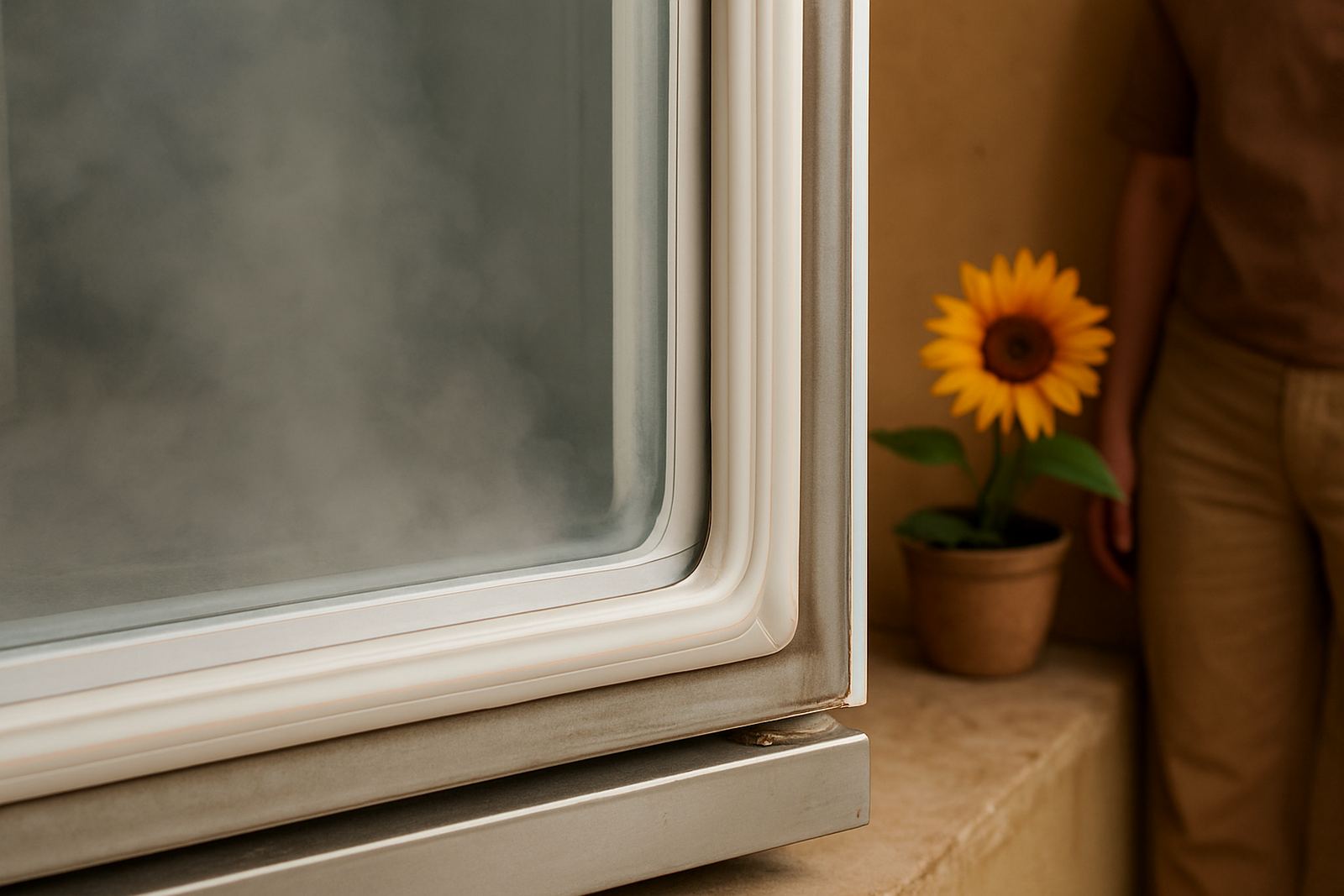
Door heaters are fitted around the frame, threshold or leaf of a cold-room door to stop moisture from freezing where warm air meets cold surfaces. That is the spot where doors start sticking, seals crack from ice and floors become slippery. In food storage, florists, abattoirs and small distribution rooms, a simple heater can save a lot of downtime.
On colder inland routes like Graaff-Reinet, or humid coastal sites in Port Alfred and Jeffreys Bay, the same issue shows up in different ways. Some rooms sweat badly in summer, while others freeze up overnight when the system cycles hard. A correctly selected heater helps keep the opening usable without over-heating the room or pushing electricity use too far up.
Sizes, forms and control options to match the door
Door heaters are usually supplied as flexible heating cable, pre-formed strips or framed elements for a specific opening. The best choice depends on the door size, how often it opens, and whether the goal is anti-condensation only or full anti-freeze protection. Smaller single doors do well with lighter output, while busy loading-point doors often need a stronger layout and better control.
- Door frame heaters for perimeter protection on standard single doors.
- Threshold or sill heaters for wet floors and low-level icing.
- Perimeter cable for custom openings and awkward frame shapes.
- Heated door jambs and seals where frost forms on the latch side.
- Thermostat or sensor control for lower running costs.
Typical supply voltages are 220 V to 230 V single-phase for most access doors, with larger or multiple-door setups sometimes tied into a controlled panel. Output is chosen by opening size and exposure, commonly around 10 W/m to 30 W/m for cable-based applications. If the door sits in a windy bay or near an unshaded loading area, it often needs a bit more heat than an indoor room door.
Where door heaters are most useful in the Eastern Cape
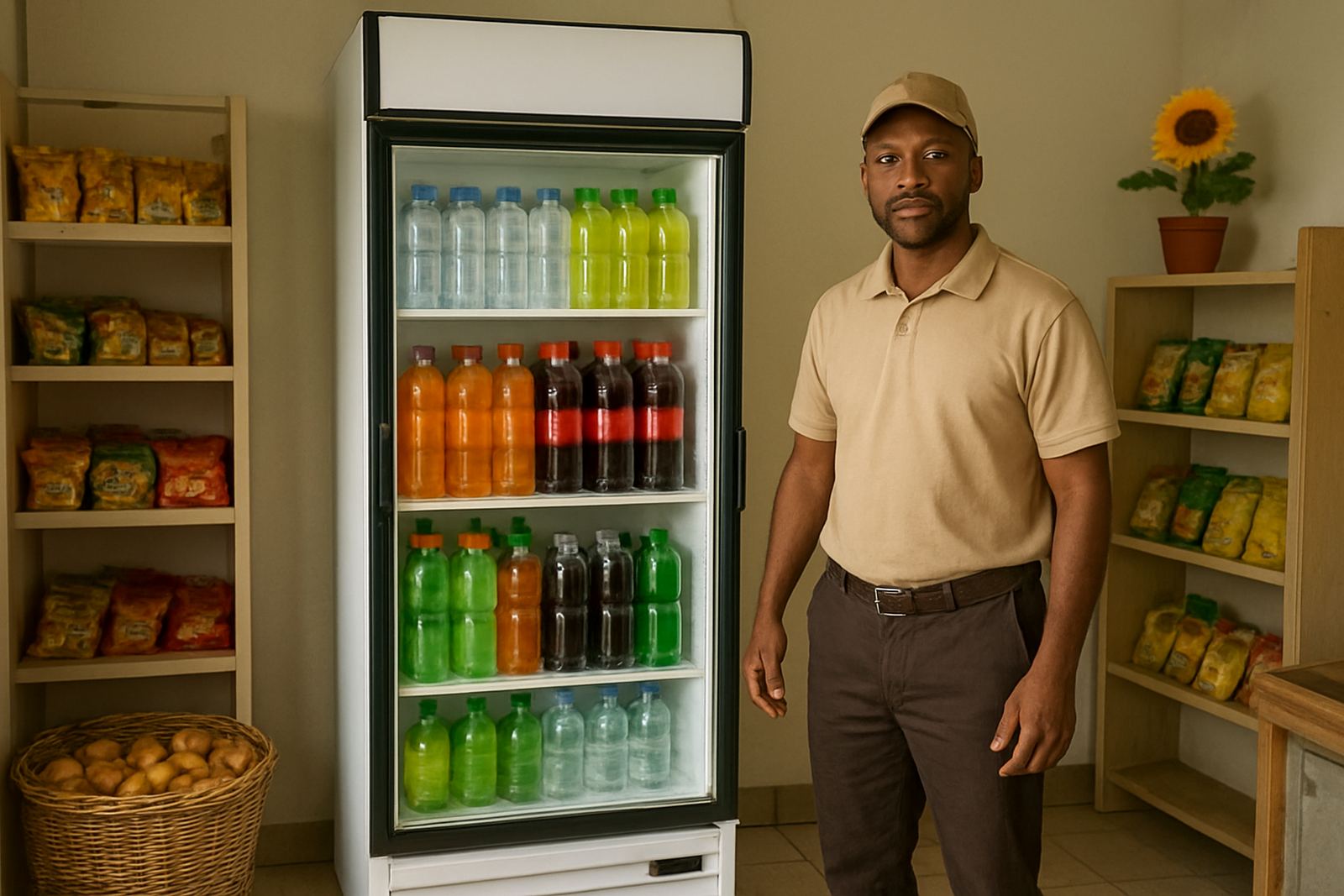
Door heaters suit cold rooms in bakeries, butcheries, packhouses, takeaway stores, fish handling rooms, pharmaceutical storage and any site where staff are in and out all day. They are also useful on freezer rooms where moisture enters from the outside and freezes around the frame. If the door is opening every few minutes, condensation control becomes as important as temperature control.
In Gqeberha, salty air and humidity can accelerate corrosion on metal trims and fixings, so the heater installation needs neat cable routing and proper weather-rated terminations. In Despatch and Uitenhage, industrial sites often see dust and vibration, which means the fittings must be secured well and kept accessible for service. A good setup should not interfere with seals, hinges or the door closer.
- Cold rooms with repeated staff access.
- Freezer rooms with frost around the frame.
- Sites with fog, coastal humidity or fast temperature swings.
- Rooms where floor ice creates a safety risk.
Installation, wiring and power needs
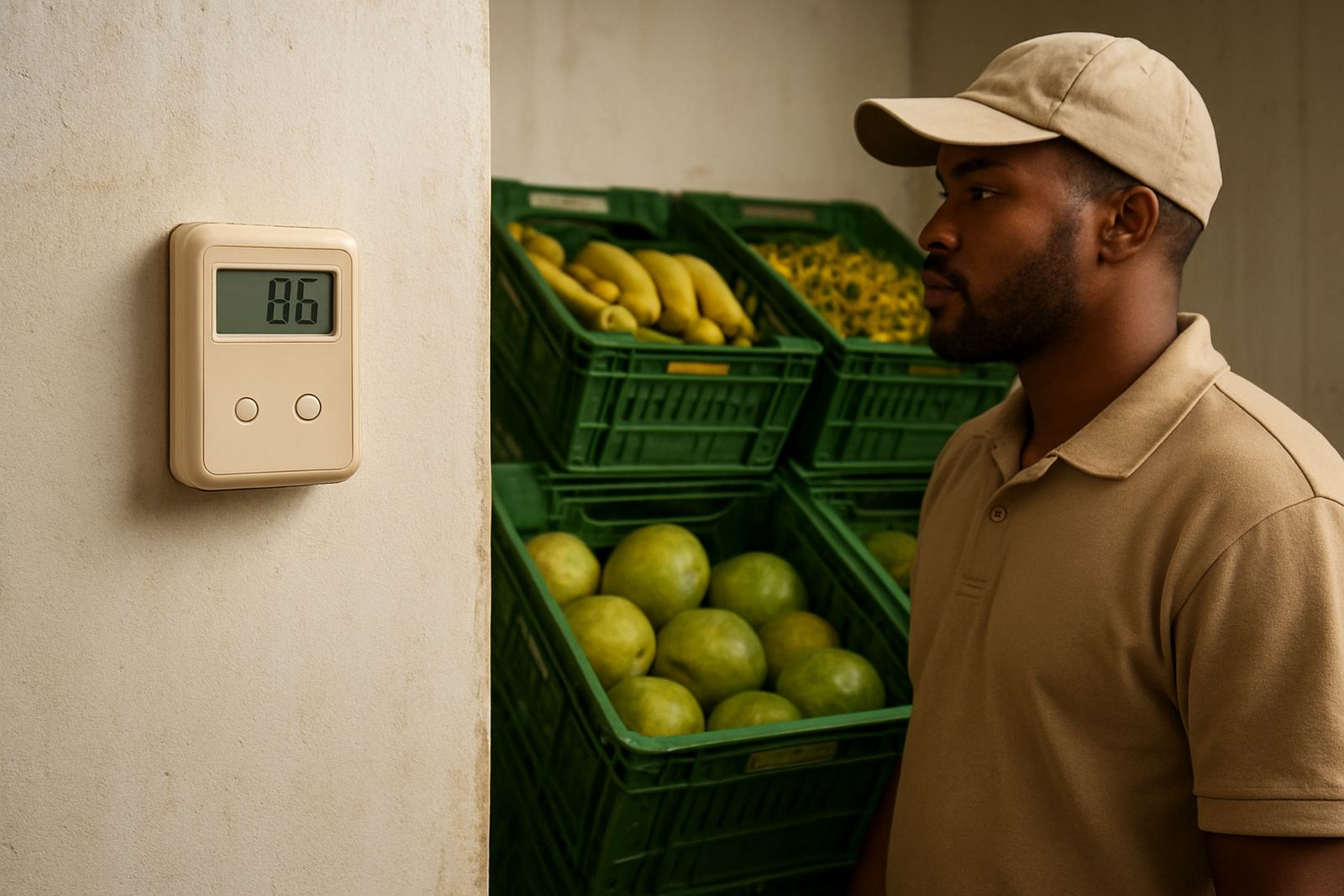
Door heaters should be installed by a technician who understands refrigeration controls, not just general electrical work. The heater circuit must be sized correctly, protected with the right breaker and linked to a control method that suits the room. In many cases the heater runs only when the room is active or when a sensor sees moisture risk, which keeps power use down.
We look at the door opening, insulation detail, hinge side, seal condition and where the cable can be fixed without pinching the gasket. Power feeds need to be routed away from drain lines and sharp metal edges. If the site has frequent load-shedding, the heater should be set so it restarts safely with the system and does not trip the room when power returns.
For new rooms, the heater is best planned together with the evaporator, panel and door hardware. For existing rooms, we often check whether the door seal is still sound, because a bad seal can make even a well-sized heater work harder than it should.
Care, cleaning and service intervals
Door heaters do not need much day-to-day attention, but they do need checking during planned maintenance. A loose sensor, damaged cable or dirty contact point can cause uneven heating or nuisance trips. If the door frame is bent, the heater can be doing its job while the room still loses cold through the gap.
During service we normally check resistance readings, terminations, fixings, seal condition and control response. On coastal sites we also inspect for corrosion on terminals and any water tracking into junction boxes. If the door has been pressure-washed, the first thing to verify is that no moisture has entered the wiring points.
- Keep cable routes clear of box carts and pallet jacks.
- Do not paint over heater strips or cover them with tape.
- Check that the door seal still closes evenly all round.
- Include the heater in the room’s planned maintenance record.
What to check before you order door heaters
Before ordering, measure the clear opening, not just the door leaf. We need the width, height and any threshold detail so the heater can cover the right parts of the frame. It also helps to know whether the room is a cooler or freezer, how often the door opens, and whether staff use trolleys or pallet jacks at the access point.
Bring through the basics below and you will get a cleaner match the first time, with less rework on site:
- Door opening size in millimetres.
- Room temperature range and product type stored.
- Single-phase or three-phase power availability.
- Whether the door is internal, external or in a loading area.
- Control preference, basic thermostat or sensor based control.
- Any history of frost build-up, sweating or seal damage.
If the room is already struggling with high electricity use, we can also look at the door heater as part of a wider energy review. Sometimes a better control setting, a seal repair, or a small retrofit on the room door gives a better result than simply adding more heat.
Key facts
| Product type | Anti-condensation and anti-freeze door heater components |
|---|---|
| Typical supply | 220 V to 230 V single-phase, site dependent |
| Output range | About 10 W/m to 30 W/m depending on opening and exposure |
| Applications | Cold rooms, freezer rooms, loading doors and access frames |
| Control options | Thermostat, sensor control, or panel-linked control |
| Common installation points | Frame perimeter, threshold, jambs and door seals |