What a liquid receiver does in a working plant
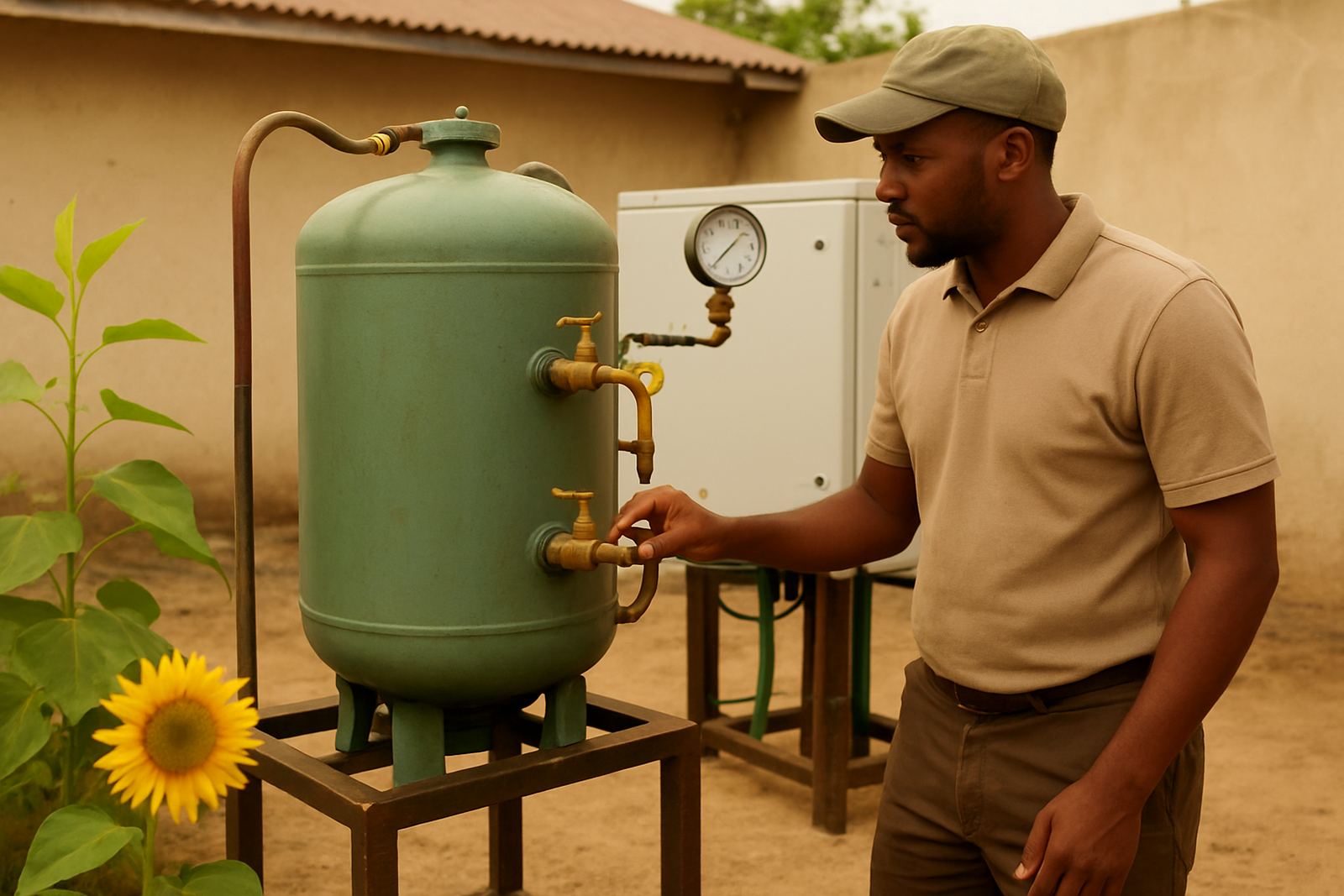
A liquid receiver is a pressure vessel fitted into the liquid line to store refrigerant after it leaves the condenser. It gives the system somewhere to hold excess charge when the plant is pumped down, isolated for repairs, or adjusted during a retrofit. That storage space matters when you are changing controls, replacing valves, or converting to a lower-GWP refrigerant and the charge amount needs to be managed carefully.
In practical terms, the receiver helps the plant stay stable. It reduces the risk of floodback, makes service work easier, and gives the technician a safer way to recover or redistribute refrigerant. On sites in Gqeberha and along the coast, where humidity and corrosion can shorten equipment life, a correctly selected receiver can make maintenance far less awkward.
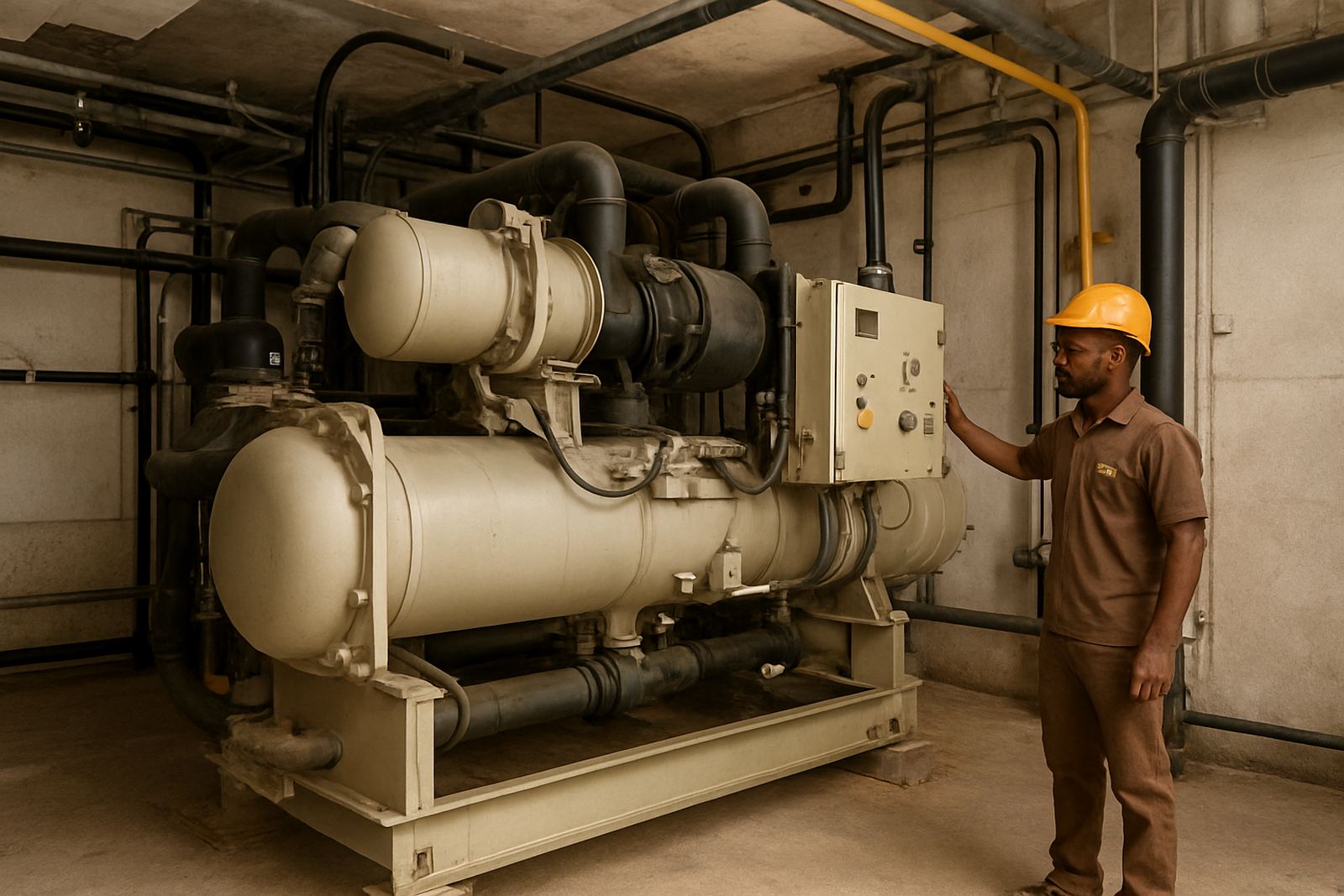
We specify receivers for cold rooms, pack systems and medium-size industrial plants, including sites that run through load-shedding on backup power. If the plant is being reconfigured, a receiver is often one of the first items we look at so the system has enough room to breathe, no fancy trick, just proper capacity.
Receiver sizes, orientations and common options
Receivers are selected by refrigerant charge, system size and how much liquid storage the plant needs during normal operation and maintenance. Smaller receivers suit single cold rooms and compact condensing units, while larger vessels are used on multi-compressor plants, chiller installations and retrofit work where the charge can shift during commissioning.
- Vertical or horizontal mounting, depending on available floor space and pipe runs
- Flanged or brazed connections for liquid line integration
- Service ports for pressure testing, isolation and recovery work
- Level indication options where charge monitoring is required
- Valve and accessory packages for easier maintenance access
Typical working pressures and vessel dimensions vary by refrigerant and application, so selection is not only about litre capacity. The receiver must suit the operating pressure of the plant, the ambient conditions in the room or outside yard, and the service approach used by your maintenance team.
Where liquid receivers suit best
Liquid receivers are especially useful on systems that go through frequent service work or seasonal load changes. Cold rooms, food stores, abattoir support plants, beverage chillers, packhouses and small process cooling systems often benefit from one, because the liquid charge can be held safely while work is done on the rest of the circuit.
They also suit plants being changed over to lower-GWP refrigerants. During a gas conversion, the receiver gives the team room to recover the old charge, charge in stages, and fine tune the system without forcing the compressor side to carry extra stress. That matters where a site cannot afford long downtime, or where the cold chain must stay intact during the changeover.
If the plant is in Jeffreys Bay, Port Alfred or any coastal area, we also factor in corrosion exposure from salt air. In those cases the vessel finish, supports and piping layout should be chosen with maintenance in mind, especially if the unit sits outdoors or near an exposed condenser bank.
Installation details, power needs and refrigerant considerations
A liquid receiver does not use electrical power itself, but it must be installed as part of a properly balanced refrigeration circuit. Correct pipe sizing, isolation valves and relief arrangements are important, and the vessel should be positioned so liquid can move into and out of it without unnecessary pressure drop. The installation also has to allow safe access for service teams and for refrigerant recovery equipment.
Before fitting a receiver, we check the system layout, condenser discharge arrangement, compressor controls and the expected refrigerant charge. On retrofits, we confirm whether the existing pipe work can handle the new refrigerant and whether the receiver is big enough for pump down and expansion needs. If a plant runs on backup power during outages, we also check how quickly the system recovers after a restart so the stored liquid does not create an unstable start-up condition.
- Confirm design pressure matches the refrigerant and operating temperature
- Allow space for valves, gauge access and drain points
- Keep supports level and secure on concrete or steel frames
- Insulate only where specified, and leave inspection points visible
- Follow site safety and municipal by-law requirements for pressure equipment and access
Care, inspection and planned maintenance
Like any pressure vessel, a liquid receiver needs routine inspection. We look for surface corrosion, damaged supports, leaking joints, stuck valves and signs that the vessel has been exposed to vibration from compressors or pipe work. In damp coastal areas, small rust patches can grow faster than many sites expect, so paint condition and bracket wear should not be left too long.
Our planned maintenance service can include receiver checks as part of a wider refrigeration visit. That usually covers leak detection, isolation valve operation, refrigerant line condition, sight glass checks where fitted, and a review of pressure readings against the rest of the system. If a receiver is part of a critical plant, regular inspection should be scheduled rather than done only after something fails.
When a site has recurring faults, the receiver often tells part of the story. If liquid line pressures are irregular, or the plant struggles after a pump down, the issue might be poor sizing, blocked valves, or liquid logging in another part of the circuit. Catching that early saves time and product loss.
What to check before ordering a receiver
Ordering the wrong vessel can hold up a retrofit or leave a plant short on storage volume. We help clients confirm the details before anything is manufactured or supplied, especially where the refrigeration plant is being changed over in stages.
- Refrigerant type now in use, and the refrigerant planned after conversion
- Total system charge and expected liquid storage requirement
- Design pressure and temperature range
- Available footprint, height clearance and service access
- Connection sizes and preferred orientation
- Whether the vessel must suit indoor, outdoor or coastal exposure
If the site is in Gqeberha, Uitenhage, Despatch, Graaff-Reinet or a surrounding area, we can review the plant on site and advise on the vessel size that makes sense for the actual duty, not just the brochure number. That kind of check helps avoid expensive rework later.
Nvirocool supply and service support
Nvirocool has been working on refrigeration and cooling systems since 2011, from Newton Park in Gqeberha. Our team supports planned maintenance, emergency breakdowns, cold room repairs, chiller servicing and low-GWP conversions across the Eastern Cape. For liquid receivers, that means we can advise on sizing, install the vessel, tie it into the liquid line and keep it under maintenance once the plant is running.
We also handle related work such as control upgrades, temperature monitoring, coil cleaning and leak detection, so the receiver is not treated as an isolated item. It is part of the full system and should be checked that way. If you need a vessel for a new plant or a retrofit project, we can help keep the job practical and compliant, with the paperwork and service access sorted before the first pipe is cut.
For ordering or technical support, contact hello@nvirocool.co.za. We assist clients across Gqeberha, Uitenhage, Despatch, Jeffreys Bay, Graaff-Reinet and Port Alfred.
Key facts
| Product | Liquid receiver vessel |
|---|---|
| Use | Stores liquid refrigerant for stable operation during service and retrofit work |
| Typical applications | Cold rooms, chillers, pack systems, retrofit projects |
| Mounting | Vertical or horizontal, depending on site layout |
| Material and finish | Pressure-rated vessel with corrosion-resistant coating options |
| Key selection factors | Refrigerant type, charge volume, design pressure, space and access |