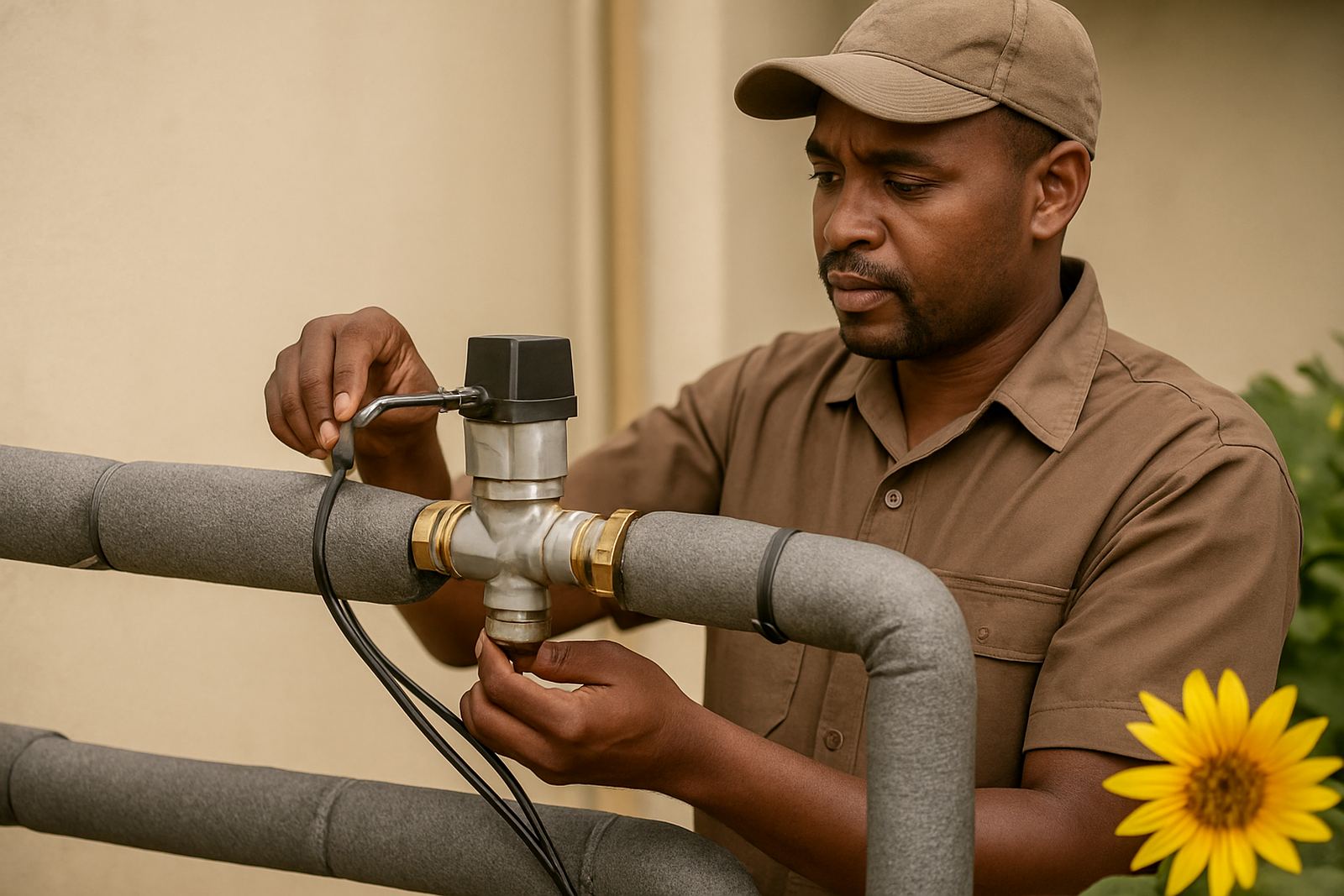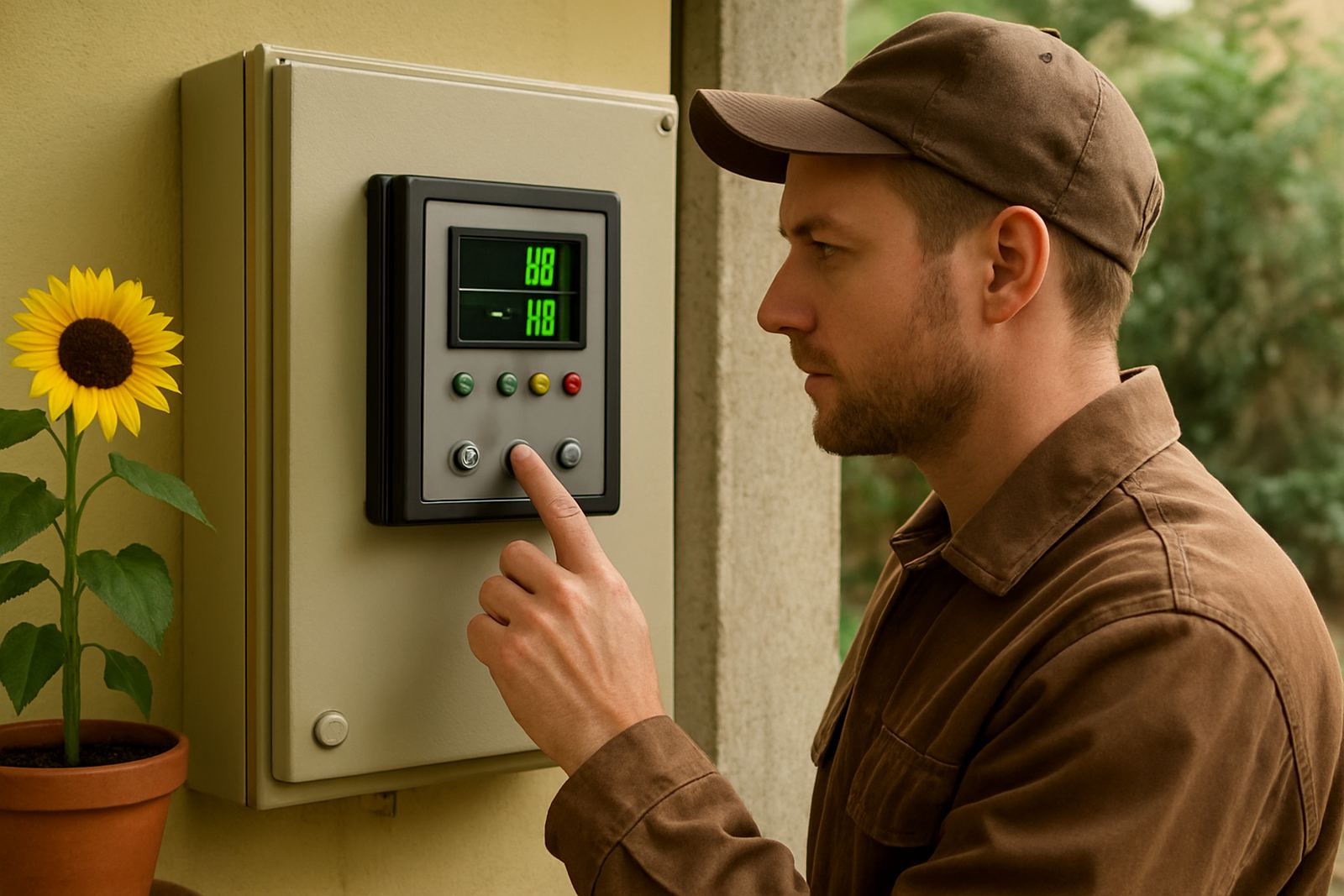
What a temperature controller does in a working plant
A temperature controller is the small control unit that decides when a compressor, fan, solenoid valve or alarm should switch on or off. In simple terms, it reads the probe, compares the actual temperature to the setpoint, then keeps the system within the range you need for stock safety and stable running. For businesses that cannot afford spoilage, that control matters as much as the refrigeration machinery itself.
On sites in Gqeberha, Jeffreys Bay and Port Alfred we often find old mechanical thermostats, loose probe wiring or controllers that have been bypassed after repeated faults. A digital unit gives more accurate control, better alarm handling and clearer fault reading when you are under pressure during load-shedding or after a warm coastal afternoon. It also makes it easier to spot short cycling, icing, sensor drift and doors that are being left open too long.
Controller options, sizes and common features
We supply controller options for small single-door cold rooms through to multi-circuit chilled water and refrigeration plant. The right size depends on the number of outputs you need, whether the unit must handle defrost logic, and if you want remote alarms or temperature logging. Some controllers are panel-mounted for a neat control board fit-out, while others are compact units for direct replacement of an existing thermostat or failed controller.
- Single-stage units for simple cold room or display cabinet control
- Dual-stage units for compressor plus fan or alarm output
- Defrost-capable controllers for evaporators and cold room cycles
- Controllers with probe input for room temperature and coil temperature
- Models with digital alarm display, buzzer output and fault memory
- Options for remote monitoring, temperature logging and contact output to BMS panels
Typical functions include adjustable setpoint, differential, compressor delay, defrost timer, high and low alarm limits and probe fault alarms. Some installations also need a battery-backed clock for real-time defrost scheduling, especially where power interruptions are common.
Where temperature controllers suit best
These units suit cold rooms, butcheries, bakeries, produce stores, milk rooms, florists, restaurants, medical stores and chilled process areas. They are also useful on small to medium chillers where the operator wants tighter temperature control and better fault visibility. If your site has doors opening often, a controller with alarm delay and probe calibration can help reduce nuisance alarms.
In coastal areas like Gqeberha and Jeffreys Bay, high humidity can affect sensors, cable glands and control panels if the enclosure is not sealed properly. Inland towns such as Graaff-Reinet can face wide day and night swings, so the controller needs a stable probe position and correct differential settings. For municipal and food safety checks, a readable display and logged temperature history make it easier to prove that stock stayed within range.
- Cold rooms storing meat, dairy, flowers or prepared food
- Chillers serving process equipment or cooling loops
- Temperature-sensitive stores needing alarm history and logging
- Sites with generator changeover or frequent power interruptions
- Retrofits where the old control panel is no longer reliable
Installation, wiring and power requirements
Installation must be done by a technician who understands refrigeration controls, safe isolation and correct probe placement. A controller usually needs a stable power supply, correct relay loading and a proper enclosure with enough room for terminals and cable routing. If the unit is being fitted into an existing panel, we check the contactor size, overload arrangement, sensor location and whether the system uses direct switching or a control relay.
On sites with standby power, the controller should be checked for restart behaviour after outages so the plant does not short cycle when power returns. If the system is on a low-GWP gas conversion, the control logic may need small adjustments for pressure, defrost timing or compressor protection. For chilled water systems and larger plant, we look at signal compatibility with pressure switches, defrost heaters and remote alarm contacts before the job starts.
- 240 V AC supply is common, but some panels use control transformers or 24 V circuits
- Probe leads must be kept clear of high-current cabling to avoid false readings
- Enclosure rating should suit dust, washdown and coastal moisture exposure
- Relay capacity must match the load, or a contactor should be fitted
Care, servicing and fault signs to watch for
Like any control component, a temperature controller needs occasional checking. We recommend verifying the actual room temperature against a calibrated thermometer, inspecting probe clips and cable joints, then confirming that alarms and defrost functions are working as intended. Dust, corrosion and loose terminals are common causes of intermittent faults, especially in plant rooms near loading bays or exposed service corridors.
Call for service if the display is blank, temperature jumps around, the plant keeps over-running, or the system alarms for no clear reason. If the controller is reading correctly but the room still does not hold temperature, the issue may be elsewhere in the system such as a blocked coil, weak door seal, refrigerant loss or faulty fan motor. Our maintenance team can test the full circuit, not just the controller by itself.
- Check sensor calibration at least twice a year
- Keep the panel clean and dry, with terminals tightened at service visits
- Replace damaged probes before they cause stock loss
- Review alarm setpoints after any major system change
What to confirm before you order
Before you order a controller, it helps to have the old model details, probe type, supply voltage and the number of outputs required. If you are replacing a failed unit, send us the existing faceplate size or a clear photo of the panel cut-out so we can match the fit as closely as possible. If the system uses defrost, alarms or fan delay, we need to know that up front to avoid an under-specced replacement.
It also helps to confirm the operating temperature range, whether the unit must drive a compressor directly or through a contactor, and whether you need a display that can be read from the loading bay. For sites in Uitenhage, Despatch and around Gqeberha industrial areas, we can also advise on service access and how to keep the panel reachable for future checks. Give us the basics and we will point you to the right control rather than overselling a unit that will not suit the plant.
- Existing model number or a photo of the old controller
- Supply voltage and wiring type
- Probe type and probe length
- Number of outputs required
- Need for defrost, alarm or logging functions
- Panel cut-out size and enclosure space
Key facts
| Controller type | Digital refrigeration temperature controller |
|---|---|
| Use | Setpoint management, monitoring and alarm handling |
| Typical supply | 240 V AC or 24 V control circuit, depending on panel |
| Inputs | 1 or 2 probe inputs, model dependent |
| Outputs | Compressor, fan, defrost, alarm or contactor control |
| Features | Adjustable setpoint, differential, alarm limits, defrost timing and fault display |