What an ice machine does on site
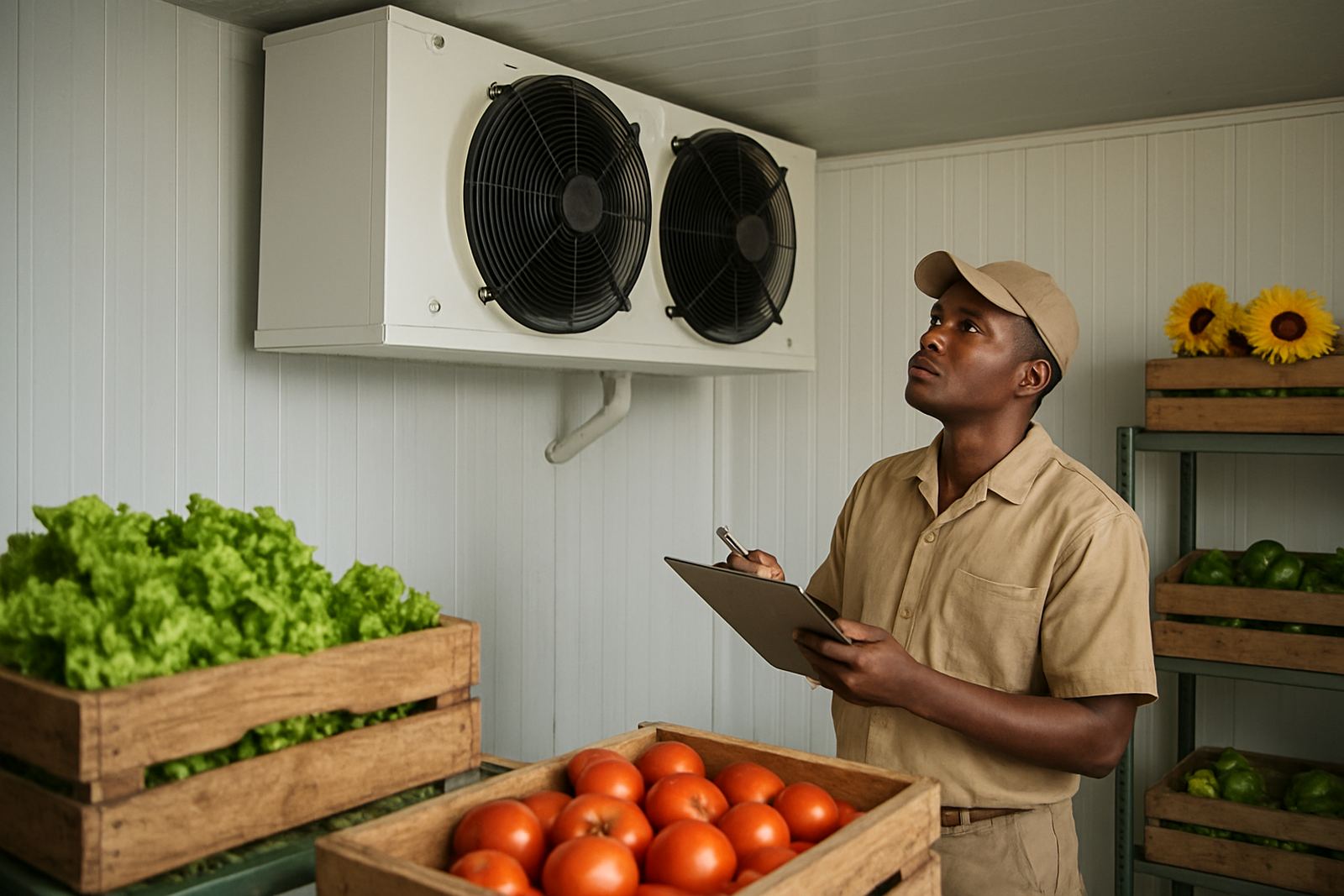
An ice machine makes ice on demand, so you do not have to buy and store bags from outside suppliers. Cube ice is used for drinks displays, bottle chilling and front of house service, while flake ice suits fish handling, food presentation and product holding where close contact with the load is needed. In warm coastal towns like Gqeberha, Jeffreys Bay and Port Alfred, a correctly sized unit helps staff keep pace on busy days and reduces the risk of running short when power or deliveries are not on your side.
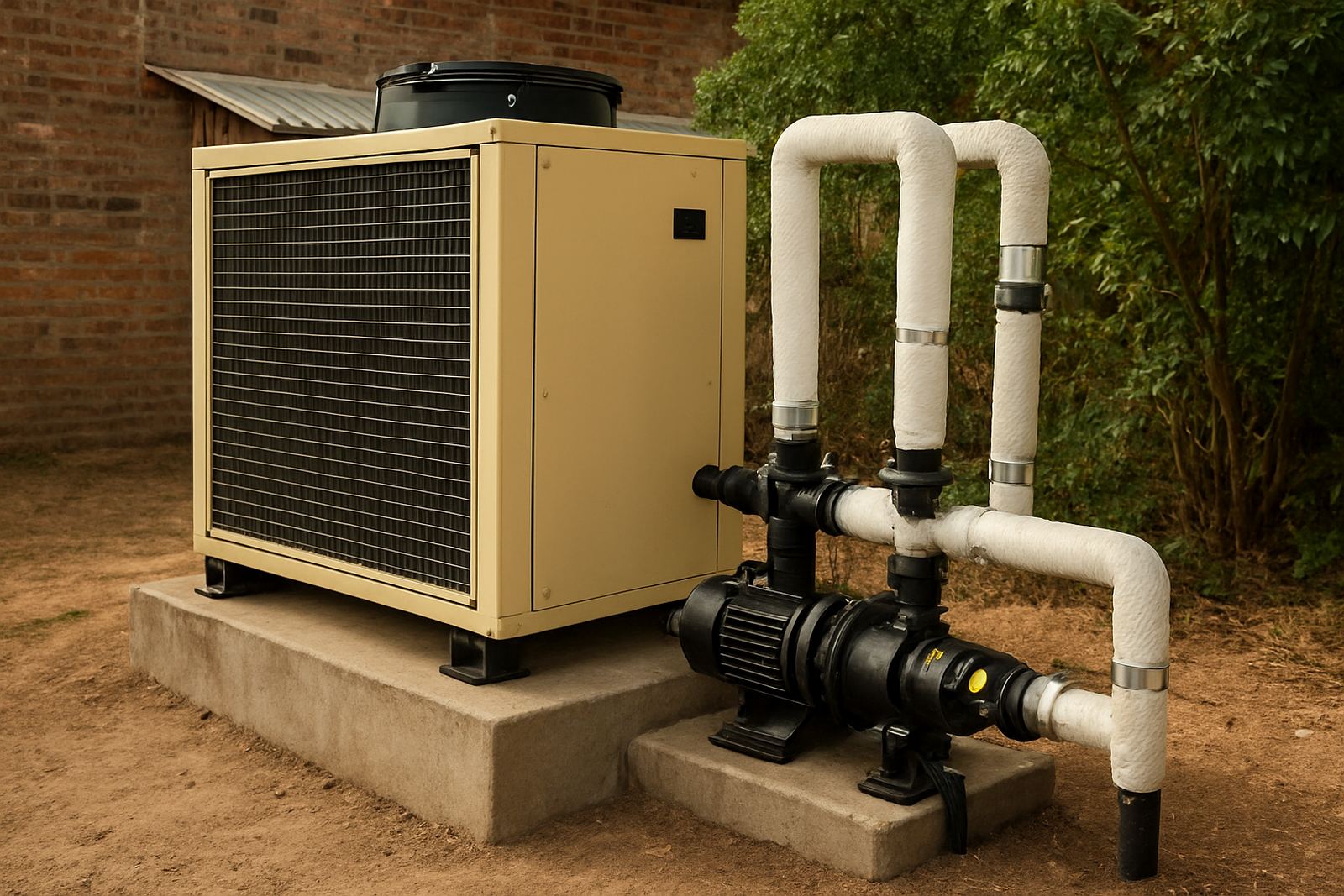
We supply equipment for hospitality venues, butcheries, supermarkets, fish rooms, small processors and canteens. If the machine will run near a prep area it must be placed where there is enough airflow around the condenser and where drainage can take away melt water cleanly. That basic layout matters, especially in coastal humidity where corrosion and scale build-up can start early if the unit is neglected.
Cube and flake options, with common capacities
Ice machines are usually sized by daily production, measured in kilograms per 24 hours, and by the size of the storage bin. The right choice depends on how many people you serve, how often you need ice and whether the machine will work in a hot kitchen or a cooler plant room. Smaller cube units suit cafés and bars, while larger cube and flake units are better for hotels, wholesalers and fish handling bays.
- Small cube machines: about 20 to 50 kg per day, often with 10 to 25 kg storage
- Medium cube machines: about 60 to 120 kg per day, often with 20 to 50 kg storage
- Large cube machines: about 130 to 250 kg per day, with separate bins available
- Flake machines: about 100 to 500 kg per day for food display and process support
As a guide, a 30 kg cube machine may suit a small bar or guesthouse, while a 100 kg machine is more practical for a restaurant, sports venue or steady hotel service. If you need ice for fish boxes or tray packing, flake ice is usually the better fit because it packs around the product and cools evenly.
Where ice machines suit best
We see the best results where the machine matches the work pattern. In hospitality, the machine should be close enough to service points to save steps but not in a heat trap next to ovens or fryers. In fish handling, the unit should sit near washdown points and drain lines, with corrosion-aware placement and regular cleaning. For process support, the machine may feed tubs, bins or insulated holds where ice is needed during sorting, packing or transport staging.
A few site checks help avoid trouble later:
- Room temperature and ventilation around the condenser
- Water pressure and water quality, especially if the area has hard water
- Drain fall for melt water and washdown runoff
- Access for cleaning, filter replacement and service visits
- Distance from salty air, grease, steam and direct sun
If the site is in Despatch, Uitenhage or Graaff-Reinet, we also look at the practical side of access and maintenance. Long runs of pipework, poor drainage or a cramped back area can turn a simple install into a repeat fault. It is better to plan the position properly than chase faults after the first busy season.
Installation, water and power needs
Most ice machines need a stable water supply, a waste line for melt water and the correct electrical feed. Smaller units often run on standard single phase power, while larger outputs may need a dedicated circuit and, in some cases, three phase supply. The exact current draw depends on the size of the compressor, the harvest cycle and whether the unit has a remote storage bin or built-in bin.
Installation should include a shut-off valve, proper filtration and enough clearance for air-cooled models to breathe. In dusty areas or kitchens with fryers, blocked condenser fins will raise running costs fast. For sites with frequent load-shedding, a restart plan matters too because machines may need time to resume normal ice production after an outage. We can advise on practical changeover options and the best way to protect controls, pumps and monitors on site.
Where water quality is not ideal, scale and sediment can reduce output and affect ice clarity. A simple filter and planned flushing can make a real difference. If the machine will sit in a coastal area, stainless exterior panels and good cleaning habits help slow down surface wear.
Care, cleaning and servicing that keep output steady
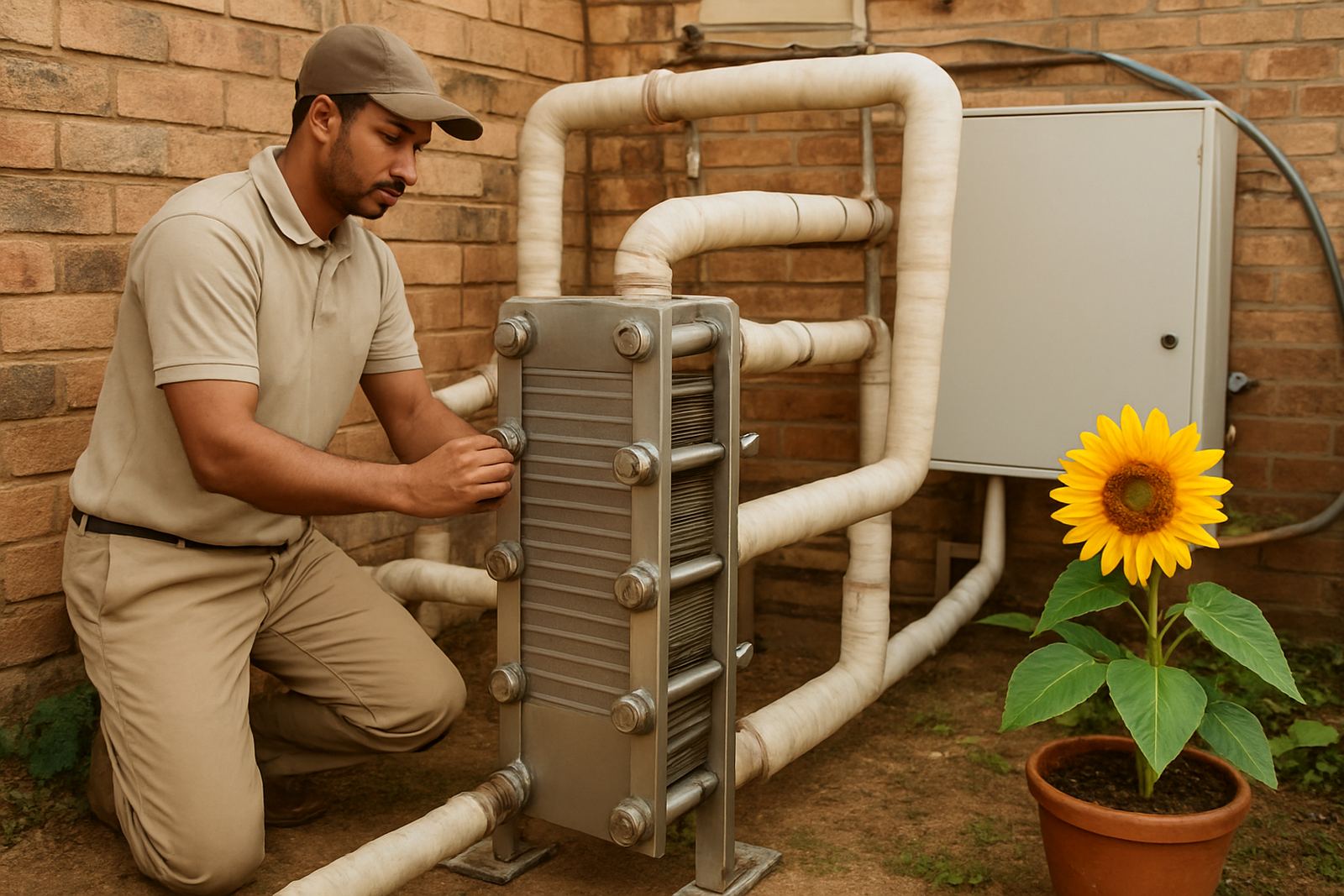
Ice machines work hardest when they are kept clean. Mineral build-up, blocked spray jets, dirty bins and worn door seals can all reduce output and push the machine into fault mode. Regular service also helps prevent unpleasant odours and weak ice, which usually means the evaporator, water system or condenser needs attention.
Our planned maintenance approach covers practical items that get missed during busy service periods:
- Cleaning of evaporator surfaces, water sump and bin interior
- Inspection of water valves, pumps and float controls
- Condenser coil cleaning and airflow checks
- Leak detection and refrigerant pressure checks
- Test of harvest cycles, bin sensors and ice thickness controls
For businesses in Gqeberha, Jeffreys Bay and Port Alfred, regular service intervals are worth sticking to because salt air and humidity can shorten the life of exposed parts. If the machine starts producing soft ice, slow cycles or less output than normal, it is usually a sign that cleaning or servicing is overdue and not just a small nuisance.
What to check before you order
Before ordering, work through the actual demand rather than guessing from the floor space available. A machine that is too small will leave staff waiting and a machine that is too large may cycle badly, waste power and take up more room than it should. We help clients compare demand, storage and service access so the unit is right for the day to day load.
Useful ordering details include:
- Type of ice needed, cube or flake
- Estimated daily use in kg
- Available power supply, single phase or three phase
- Water pressure and whether filtration is already in place
- Space for the machine, bin and service access
- Whether the site has heat, steam, grease or coastal exposure
If you are replacing an older unit, check the footprint, drain position and electrical connection before you buy. We can also look at the old machine setup and advise whether a straight swap makes sense or if the site would benefit from a better location and improved water treatment. That small bit of planning usually saves time and keeps the ice supply more reliable.
Key facts
| Ice type | Cube ice and flake ice |
|---|---|
| Daily output range | About 20 kg to 500 kg per 24 hours, depending on model |
| Storage options | Built-in bins and separate storage bins available |
| Power supply | Single phase or three phase, model dependent |
| Water requirement | Clean water supply with shut-off valve and filtration recommended |
| Typical uses | Hospitality, fish handling, food display and process support |