What cold room panels do
Cold room panels form the outer shell of a refrigerated room. They are built to slow heat gain, hold stable temperatures, and give a neat finish that can be washed down and maintained. In practical terms, that means less strain on the compressor, fewer temperature swings, and better control when doors are opened often during loading or stock checks.
We fit panel systems for new cold rooms, additions to existing stores, and replacement wall or ceiling sections where damage, moisture or age has started to show. A well set panel room helps with product life, electricity costs and day to day cleaning. In coastal areas like Gqeberha, the right panel selection also matters because salty air and humidity can shorten the life of poor fittings.
Panel sizes, finishes and insulation options
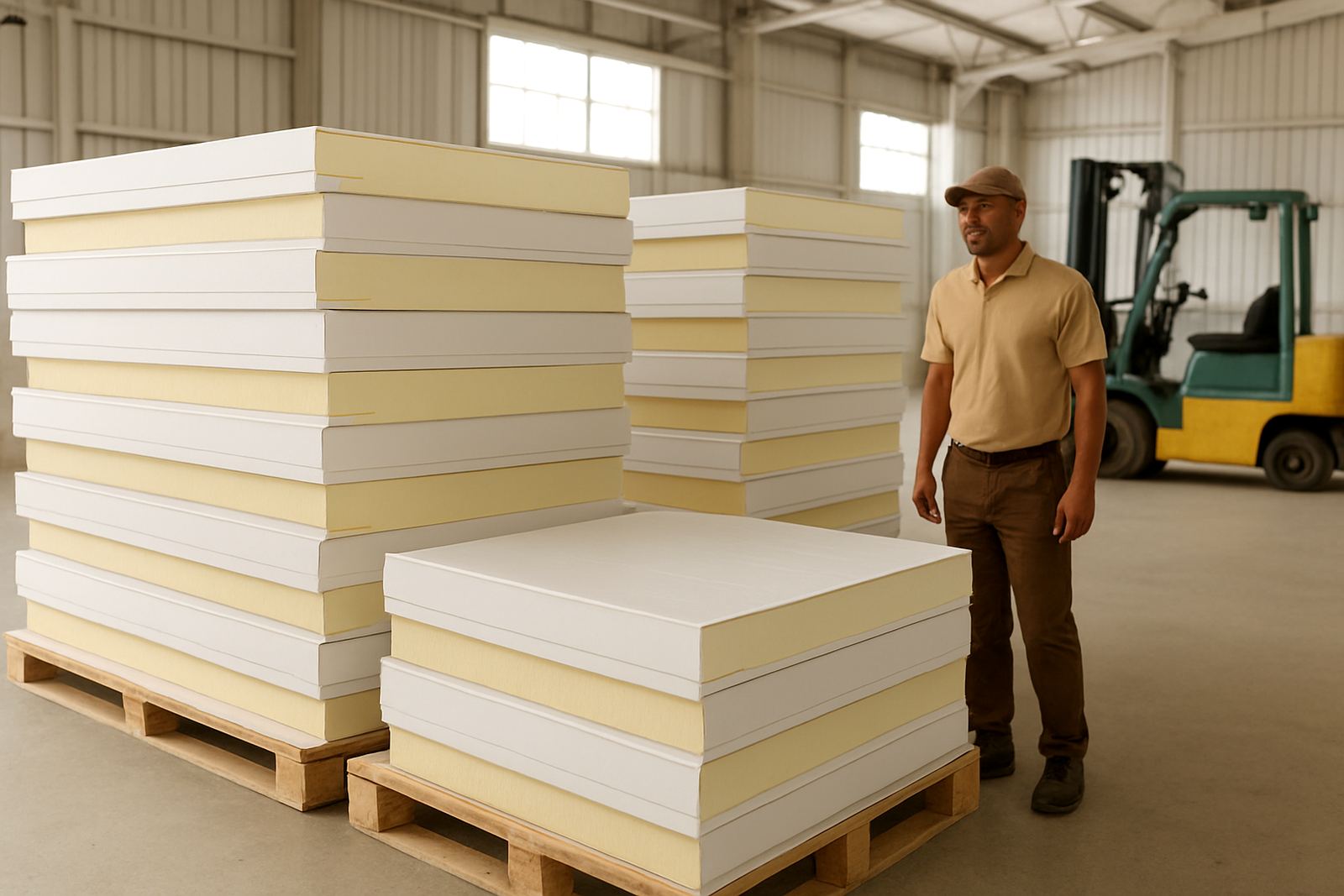
Cold room panels are usually supplied in standard modular widths so the room can be set out with fewer cuts and cleaner joints. Panel thickness is chosen for the room temperature and how hard the room will work. A chiller for fresh produce does not need the same build as a freezer, and a small store room in a shopfront is not the same as a high use depot.
We supply and install wall, ceiling and corner sections in common sizes to suit most layouts. Typical options include 50 mm, 75 mm, 100 mm and 120 mm thickness. The larger the temperature difference between inside and outside, the more important panel thickness becomes. Panels can be finished with easy wipe steel skins for food areas, and the joints are sealed to limit air leakage. Door openings, thresholds and coved details can be set out to suit hygiene rules and cleaning routines.
- Wall panels for straight runs and partition walls
- Ceiling panels for suspended or self supporting rooms
- Corner trims, floor junctions and sealing strips
- Replacement sections for damaged or water affected areas
Where cold room panels suit best
Panel systems suit food retail, butcheries, bakeries, restaurants, packing rooms, florists, pharmaceutical storage and light industrial cold storage. They also suit farm packhouses and distributors working between Gqeberha, Despatch, Uitenhage, Jeffreys Bay, Graaff-Reinet and Port Alfred, where stock may move through different ambient conditions in one week.
They are a good fit where a building needs quick installation and the room may need to be altered later. If you plan to extend a store, divide a larger room, or replace only one side after damage, panel construction gives more flexibility than fixed brick or block work. It is also useful where municipal or landlord limits affect how much permanent building work can be done.
- New cold rooms in shops, factories and warehouses
- Extensions to existing chilled or frozen storage
- Replacement after impact, water ingress or insulation failure
- Rooms that need faster installation with less wet trade work
Installation, power and refrigerant setup
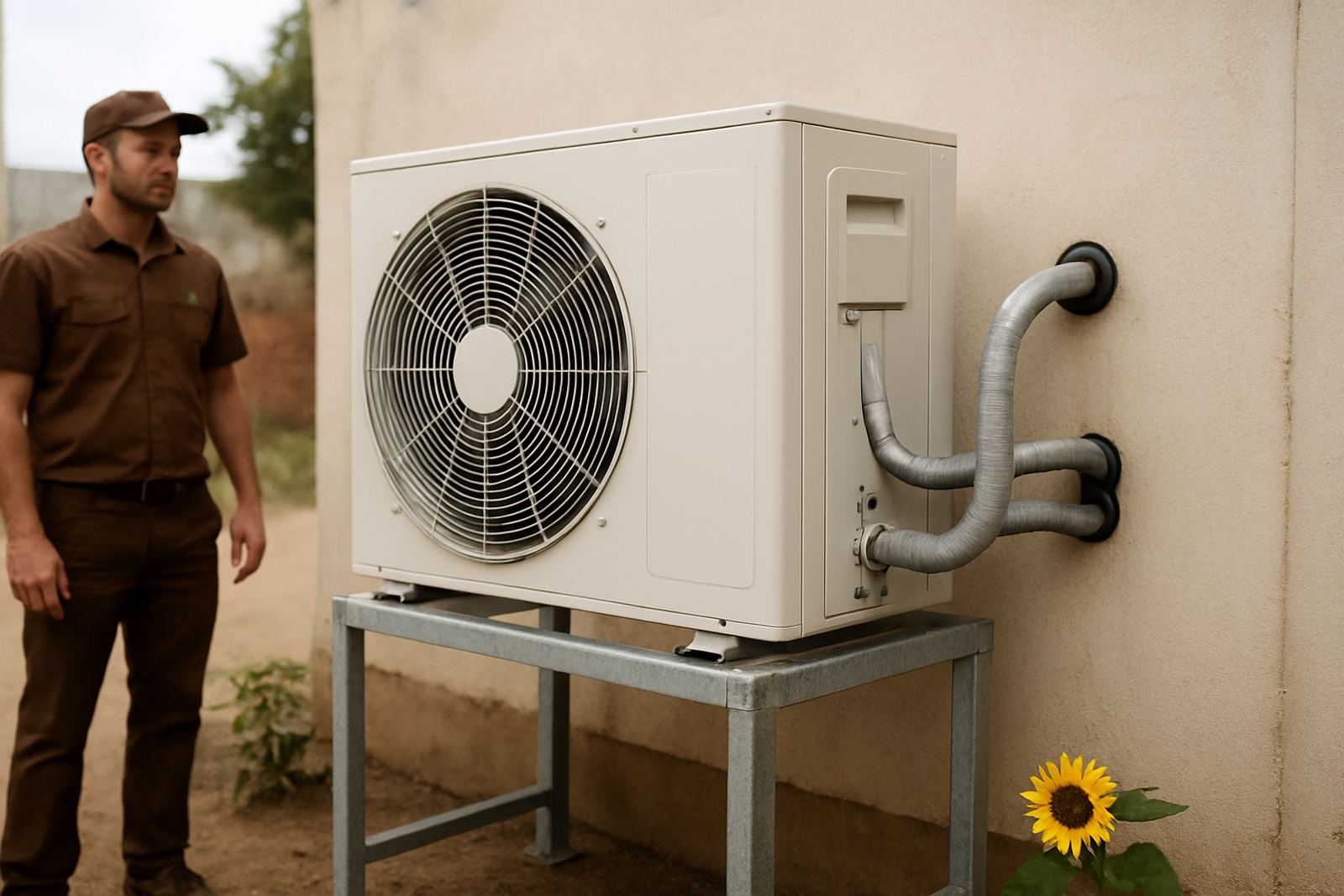
Panel supply is only one part of the job. The room also needs correct floor support, door placement, vapour sealing and enough space for the refrigeration unit and airflow. If the panels are fitted poorly, even a strong refrigeration plant will struggle. We check the room size, product load, door use, ambient conditions and insulation needs before we start.
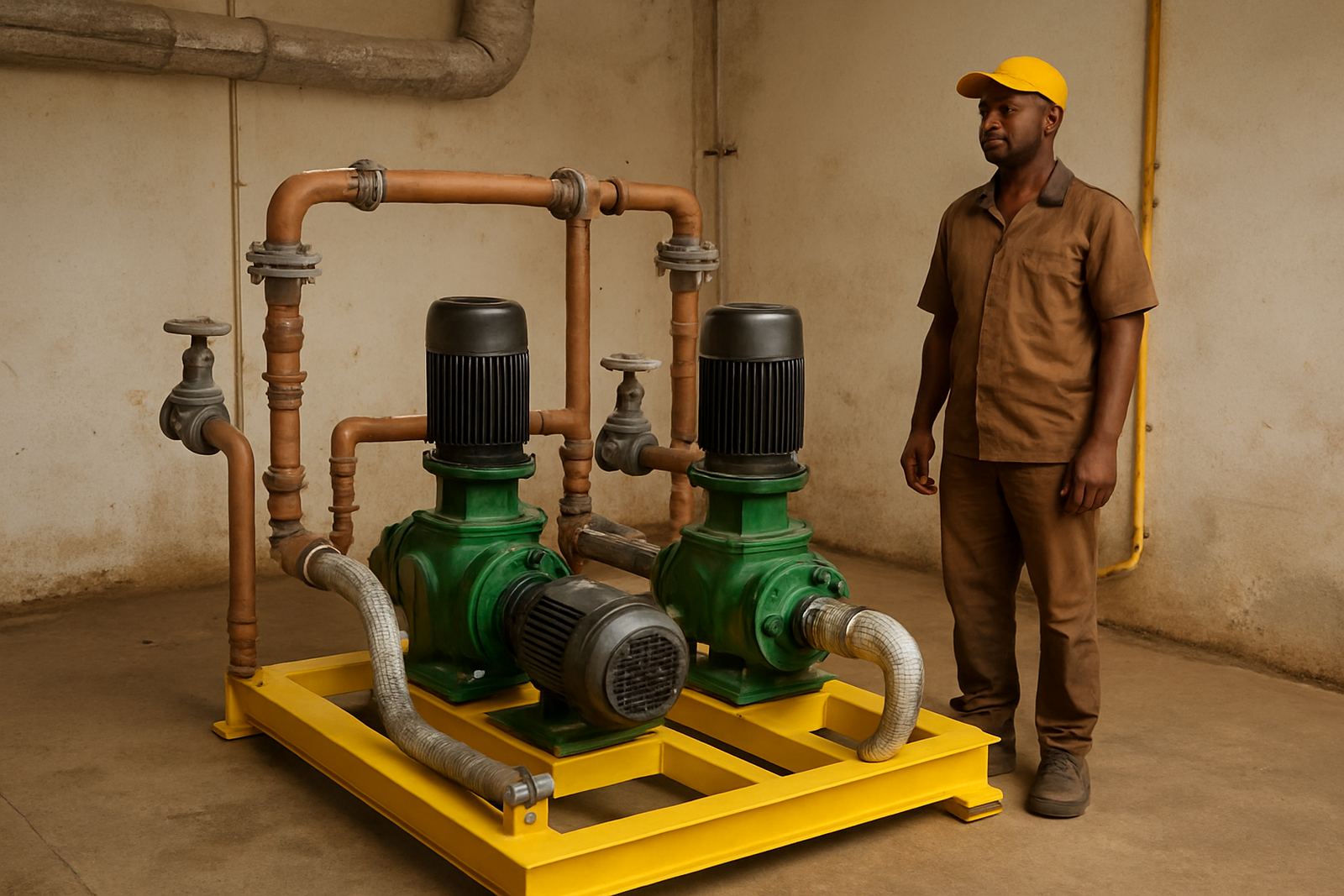
The panels themselves do not use power or gas, but they must work with the refrigeration system in a way that does not waste either. Good panel joints reduce run time, and a well sized room can often cut unnecessary compressor cycling. For rooms being converted or upgraded, we check whether the existing unit can handle the new space. If not, we advise on the changes needed to keep temperatures steady during load-shedding and peak summer heat. On some jobs a small detail like door closer timing or a missing seal can cause more trouble than a larger fault, so we look at the room as a whole not just the panels.
Care, cleaning and planned servicing
Cold room panels need regular care to stay dry, clean and airtight. The skin should be washed with suitable cleaners that will not attack the finish or leave residue around the joints. Condensation, chipped sealant and damaged corner trims should be dealt with quickly because moisture can lead to insulation damage and hidden mould. In coastal humidity, this is even more important.
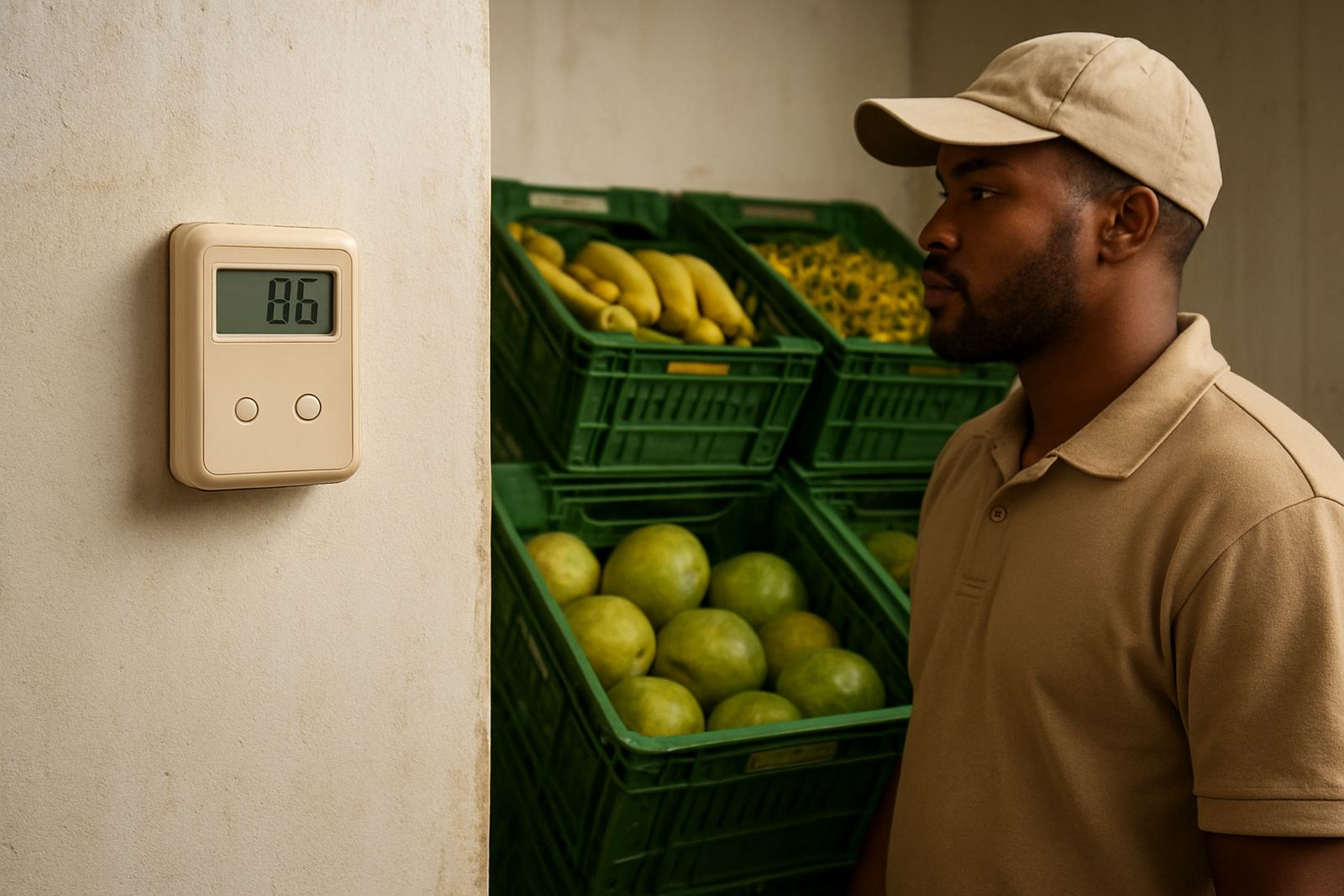
During planned maintenance we check the condition of the panel joints, door seals, ceiling fixings, coved edges and any penetrations for pipes or cabling. We also look for ice build-up, sweating at the joints, loose fasteners and signs that the room may be shifting. A small service issue left too long can become a panel replacement job later, so regular checks usually save money. For operators with temperature monitoring, the data often shows the problem before the damage becomes obvious.
- Inspect seals and corners every month
- Keep doors closing properly and repair damaged gaskets
- Clean with mild products and rinse down carefully
- Log any sweating, frost or soft spots for early repair
What to check before you order
Before ordering cold room panels, work through the room dimensions, target temperature and product type. Measure the clear internal length, width and height, then note any door openings, pillars, drains, pipes or uneven slabs. If you are replacing sections only, check the panel profile, thickness and joint type so the new sections match the existing build.
You should also decide how the room will be used. Heavy foot traffic, trolley movement, frequent deliveries and coastal conditions may call for stronger finishes or extra protection at the lower wall sections. If the room will be chilled to near freezing, the insulation spec needs to be right from the start. For a freezer, the floor build up and vapour barrier become just as important as the wall panels. We help clients in Gqeberha, Uitenhage and surrounding towns check these details before stock is ordered, which avoids delays and bad fit ups. It is far cheaper to get the layout right now than to strip a section later.
Why Nvirocool is a practical fit
Nvirocool has been working in refrigeration and cooling since 2011, with a base in Newton Park, Gqeberha. Our team includes refrigeration technicians, an energy audit specialist, a retrofit project lead and client support staff who understand what a working cold room needs day to day. We supply and fit panels as part of a proper refrigeration plan, not as a standalone item with guesswork around it.
If your room needs a new panel build, a section replacement or an extension to take more stock, we can assess the site, measure the space and advise on the best route. That may include planned maintenance, leak detection, control upgrades or a room efficiency check alongside the panel work. For businesses along the Eastern Cape coast or inland, the aim is the same: a room that holds temperature, cleans easily and keeps running through the hottest days and the odd power interruption.
Key facts
| Product type | Insulated cold room wall and ceiling panel systems |
|---|---|
| Typical thicknesses | 50 mm, 75 mm, 100 mm and 120 mm |
| Applications | New rooms, extensions, repairs and replacement sections |
| Finish options | Washable steel skins and sealed joints |
| Temperature use | Chilled rooms and freezer rooms, based on spec |
| Service area | Gqeberha, Uitenhage, Despatch, Jeffreys Bay, Graaff-Reinet and Port Alfred |