What a split condensing unit does in a cold room
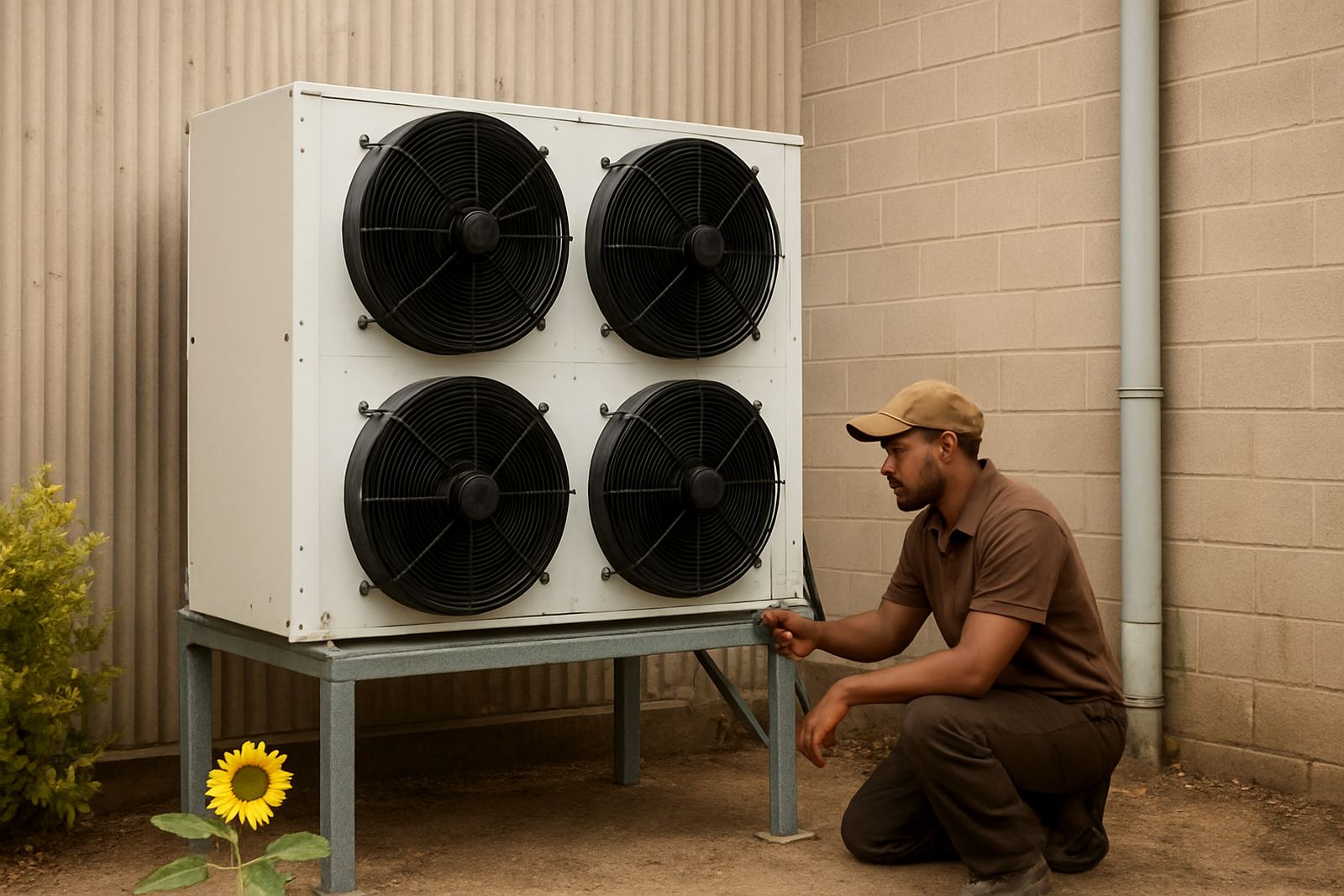
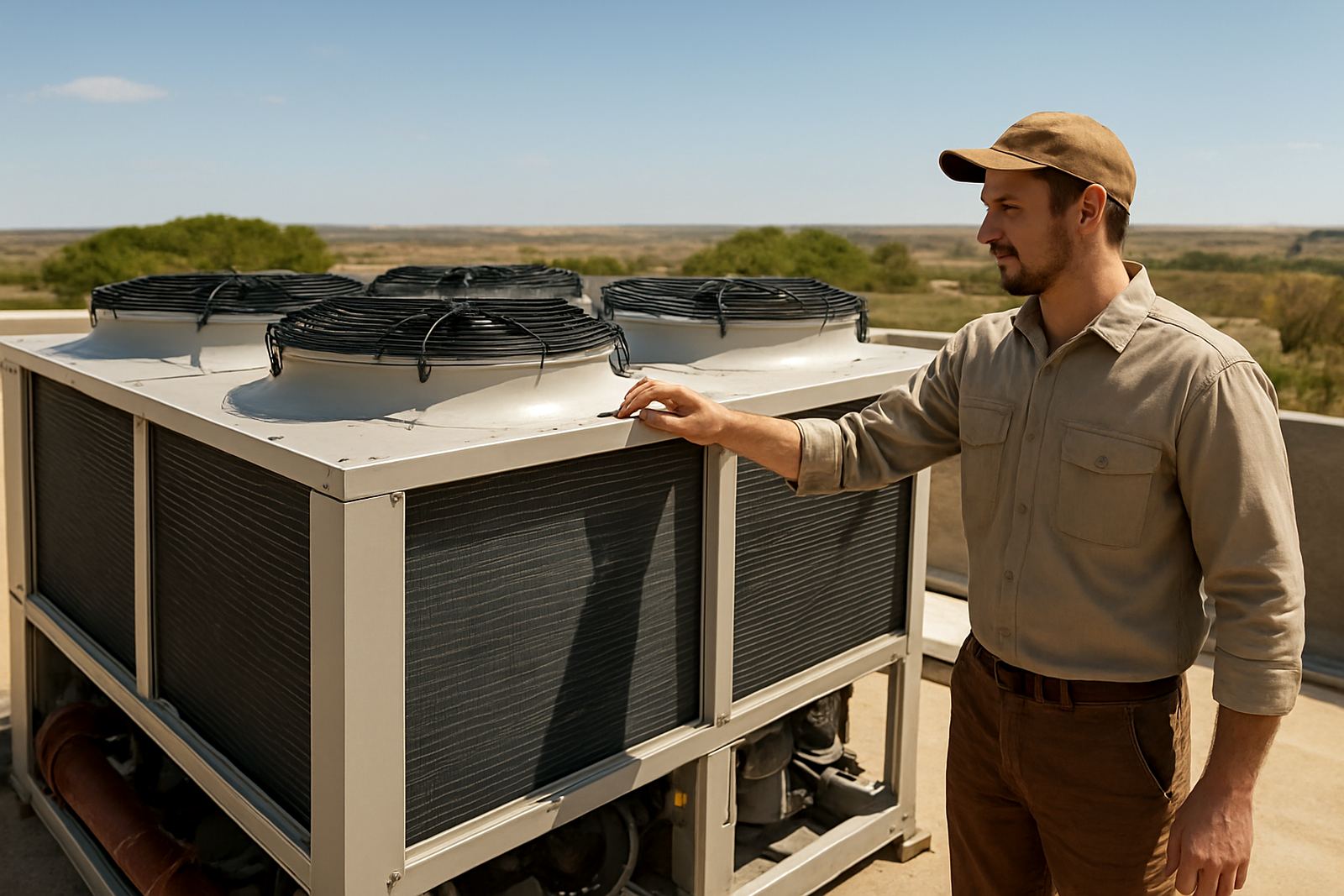
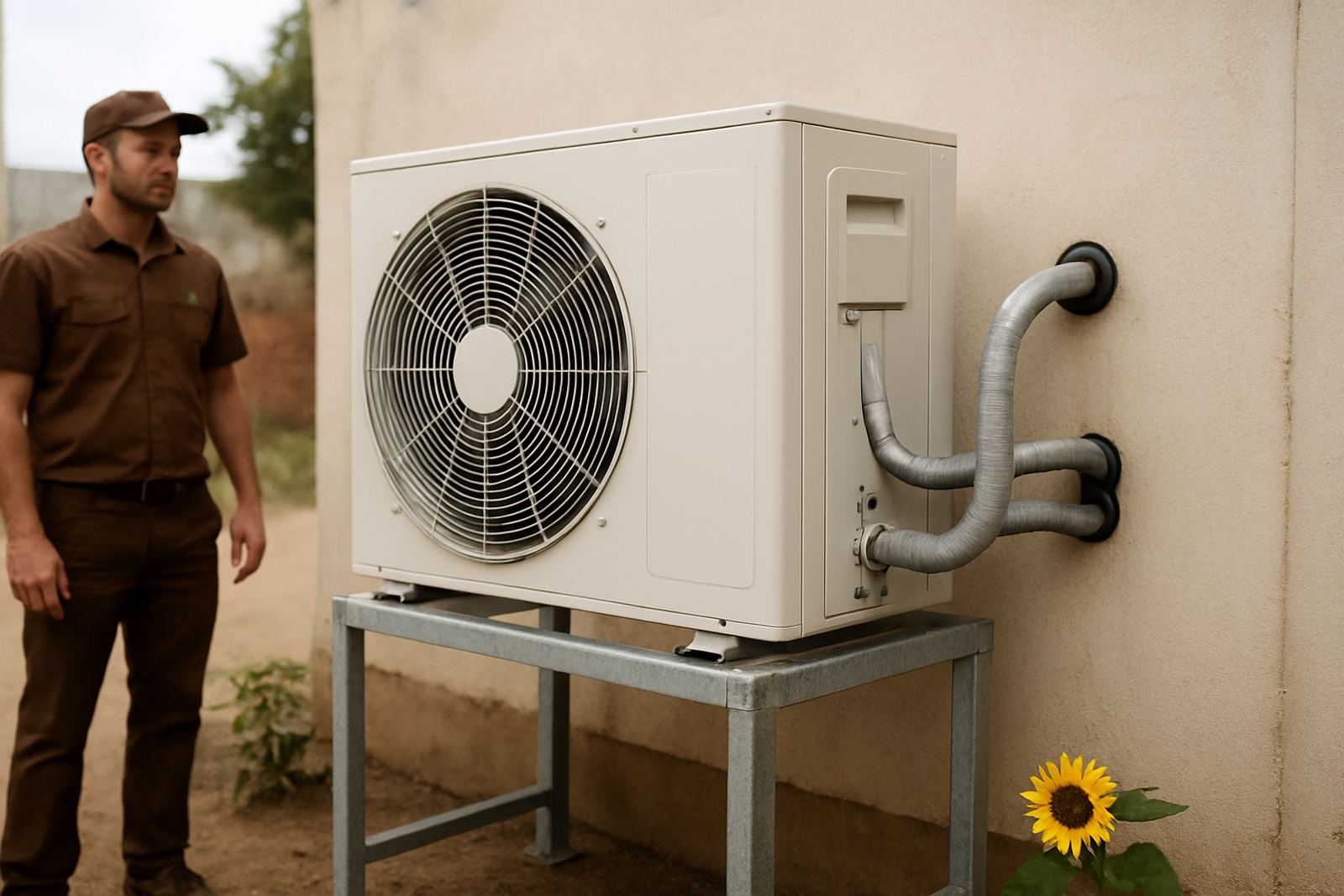
A split condensing unit separates the hot side of the refrigeration system from the cold room evaporator. In plain terms, the compressor and condenser can be placed outside, on a roof, in a service yard or on a plant pad, while the evaporator stays inside the cold room. That setup helps move heat, noise and service work away from the storage area, which is useful where floor space is tight or staff need clear access around goods and loading doors.
These units are common on walk-in chillers, freezer rooms, meat rooms, fruit pack areas and prep rooms. They are also used where a single self-contained unit would dump too much heat into the building. In coastal areas like Gqeberha, Jeffreys Bay and Port Alfred, separating the condensing section can also make it easier to deal with salt air, because the outdoor side can be positioned and protected with service access in mind.
For operations that cannot afford warm spots or repeated faults, split systems give you more options for layout and maintenance. If one section needs attention, technicians can get to it without working inside the storage space all day, which makes routine callouts quicker and less disruptive.
Sizes, configurations and system options
Split condensing units are selected by the room size, product load and temperature target. A small fresh produce room does not need the same setup as a busy freezer or distribution store. We match the unit to the real duty, not just the room dimensions, because stock turnover, door openings and ambient temperature all affect performance.
Typical configurations include single-phase or three-phase supply, air-cooled or remote air-cooled condensers, and matched evaporator coils for chilled or frozen applications. Compressor options may be sized for light commercial rooms, medium duty storage or higher-capacity multi-room sites. For some projects, variable-speed controls or staged compressors help manage energy use when the room load changes through the day.
- Fresh produce and dairy rooms for +2 °C to +6 °C
- Chilled storage for butchery, hospitality and retail back-of-house areas
- Frozen storage for -18 °C to -25 °C
- Remote condenser placements for roofs, yards or plant rooms
- Low-GWP refrigerant conversion projects on older equipment
Where space is limited, a split system can be set up with compact indoor coils and an outdoor condensing frame that still allows safe access for valves, motors and electrical parts. That matters on sites that are already crowded with shelving, packing tables or service corridors. We can also assess whether a retrofit is worth doing or if the room needs a full replacement, because sometimes the old pipework or controls are the real problem, not the compressor itself.
Where split condensing units suit best
Split condensing units work well where heat rejection needs to happen away from the room, or where maintenance teams need clear access to the refrigeration gear. That includes but is not limited to supermarkets, restaurants, wholesalers, butcheries, food manufacturers, florists and medical storage rooms. They are also a useful choice for farms and packhouses around Uitenhage, Despatch and the Karoo side of Graaff-Reinet where dust, distance and day-to-day service access all need to be considered.
They suit buildings where there is a roof with enough load capacity, a secure yard, or a dedicated service area with good airflow. On the coast, we look at corrosion exposure, shade, wind direction and how often sea air will hit the condenser. Inland, we look at dust and summer temperatures. In both cases, the system has to breathe properly and it has to be reachable without making every service visit a half-day job.
- Sites with limited indoor plant space
- Rooms that need quieter operation near customers or staff
- Buildings where heat build-up is already a problem
- Operations that need faster fault-finding and safer access
- Projects planning low-GWP gas upgrades or energy-saving retrofits
If your room opens often or sees high stock movement, we can size the split system to recover temperature quickly after door openings. That is important in Eastern Cape heat, especially where backup power is used and the room must pull down fast after an outage.
Installation, power and gas requirements
Good installation starts with the right pipework, correct cable sizing and proper mounting. The condensing section must be installed on a level, ventilated base with enough clearance for airflow and maintenance access. The evaporator needs correct drainage, defrost control and a position that spreads air evenly through the room. If the line set is too long or badly insulated, you lose efficiency and pressure control becomes a nuisance.
Power supply must be matched to the compressor start current, running load and any fans, heaters or controls in the system. In areas with load-shedding, voltage dips and generator changeovers can cause nuisance trips if the controls are not set up properly. We check the full supply arrangement, including isolators, protection, earthing and backup power compatibility, before commissioning a unit.
On the refrigerant side, the charge must suit the system design and pipe length. If a conversion is being done from an older gas to a lower-GWP option, we first confirm compressor compatibility, oil type, seals and expansion device settings. A bad gas swap can lead to poor cooling, extra amp draw and repeat breakdowns. It is better to check these points upfront than chase faults later when stock is already at risk.
Care, cleaning and planned servicing
Split condensing units need regular attention if you want stable temperatures and sensible electricity use. The outdoor coil picks up dust, lint and coastal grime, while the indoor coil can clog with moisture, airborne particles and product residue. Dirty coils make the compressor work harder and increase the chance of high-pressure trips, especially in summer.
Planned maintenance should include leak checks, coil cleaning, fan and motor inspection, electrical tightening, defrost review and temperature verification. We also look at door seals, drain lines and control settings because a refrigeration fault is sometimes really a room problem, not a machine problem. If a site has repeated breakdowns, temperature logging helps show whether the issue is power interruptions, poor airflow or a worn component.
- Inspect and clean condenser coils before peak summer
- Check refrigerant charge and leak points regularly
- Test safety controls, probes and defrost cycles
- Clear drains and confirm no ice build-up
- Review energy use after each service visit
For businesses in Gqeberha and the surrounding towns, routine servicing is often cheaper than emergency callouts after stock damage. A small blockage or fan fault can turn into a much bigger problem once the room has been cycling badly for a few days.
What to check before you order
Before ordering a split condensing unit, you need a clear picture of the room and the job it must do. We ask for room dimensions, insulation type, target temperature, product type, door opening frequency and whether the room is chilled or frozen. We also need to know where the unit can be mounted and how the pipework will run from one section to the other.
Useful ordering details include electrical supply, backup power arrangements, available space for service access and any municipal or site restrictions on outdoor plant placement. If the site is in a windy or salty area, tell us that early so we can factor in corrosion protection and condenser positioning. If the room is already fitted with old controls or legacy pipework, we need that information before quoting because it affects compatibility and labour.
- Room size and insulation thickness
- Target temperature and product type
- Indoor and outdoor mounting positions
- Power supply details, including backup power
- Preferred refrigerant or conversion needs
- Any access limits, roof loading or safety rules
When those details are clear, we can size the system properly and avoid expensive rework. That saves time on site, keeps the cold room working as it should, and makes future servicing much easier for everyone involved.
Key facts
| Refrigeration type | Split system with remote condensing section and indoor evaporator |
|---|---|
| Temperature range | Typically +6 °C chilled to -25 °C frozen, depending on room design |
| Power supply | Single-phase or three-phase, sized to compressor load and starting current |
| Refrigerant options | Matched to system design, including low-GWP conversion options where suitable |
| Installation locations | Roof, yard, plant pad or service area with proper airflow and access |
| Maintenance focus | Leak detection, coil cleaning, controls, defrost, fan motors and charge checks |