What a temporary cool room is and when it helps
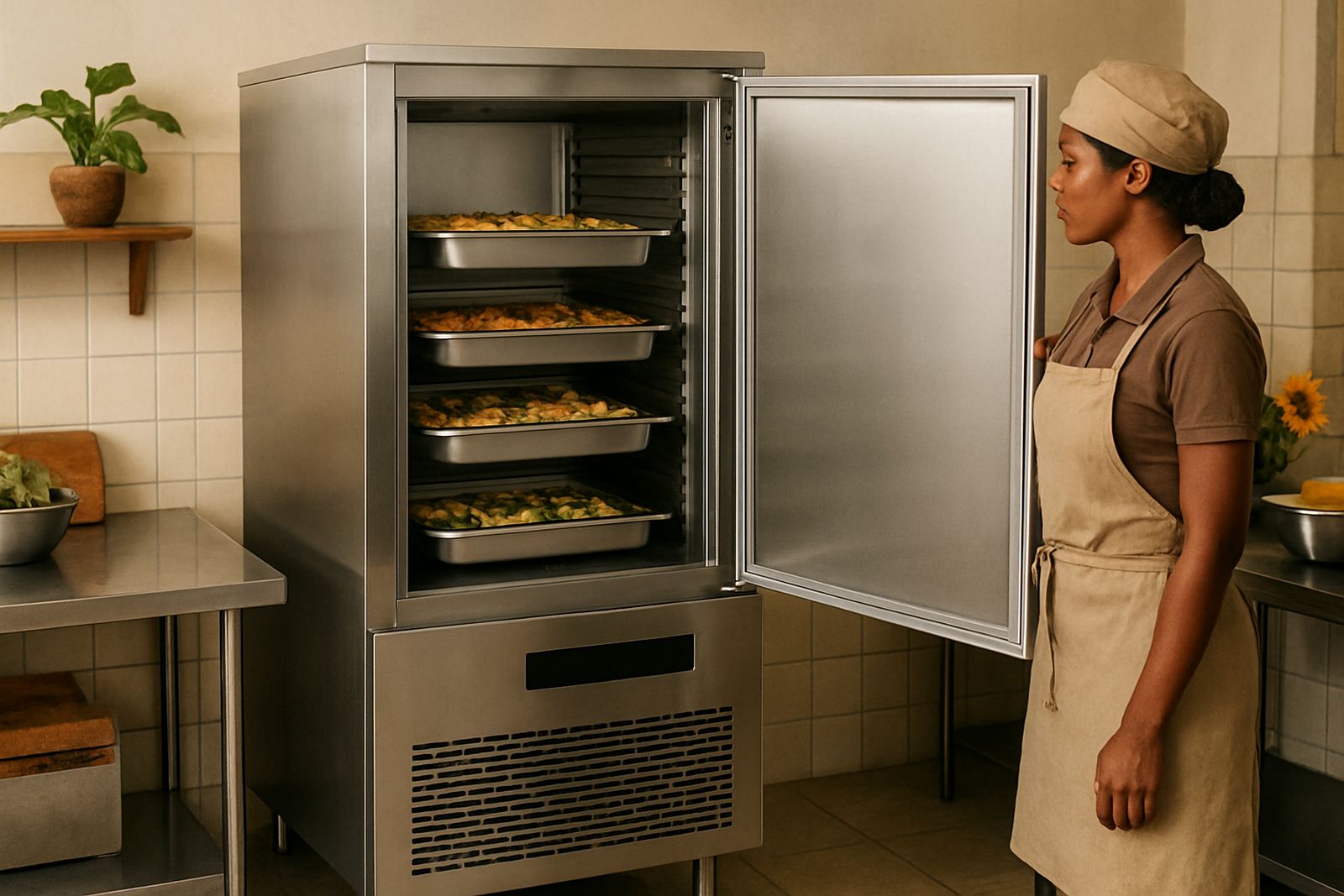
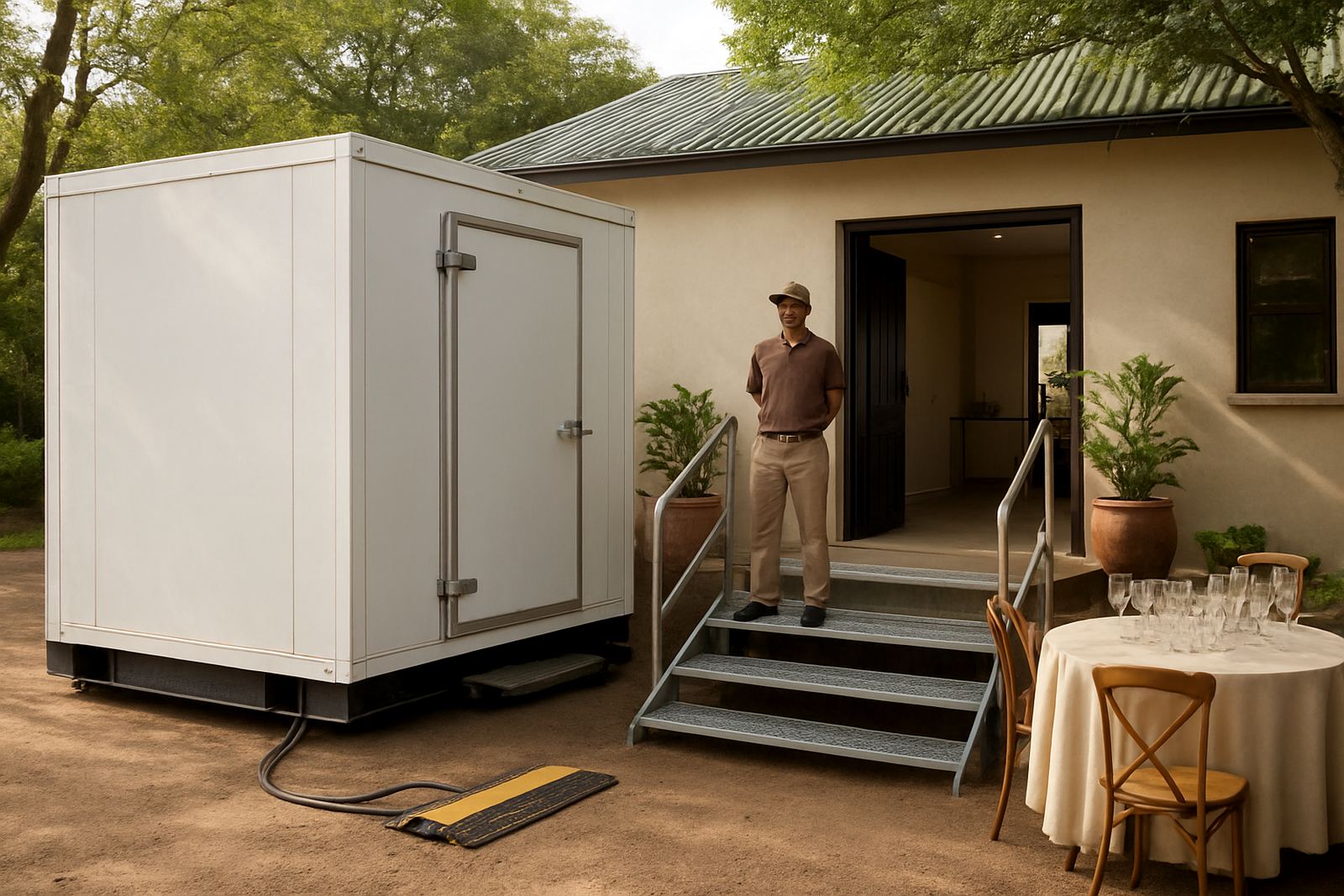
A temporary cool room is a portable insulated room fitted with refrigeration equipment, used for short periods when permanent cold storage is not enough. It can stand beside a packhouse, kitchen, store, factory or event venue and keep stock at a controlled temperature for a few days, weeks or months. These units are useful during planned shutdowns, refrigeration repairs, seasonal spikes, product launches and community events where extra cold space is needed fast.
In the Eastern Cape, weather and electricity supply can change the load on cold storage quickly. A seafood supplier in Gqeberha may need extra chilled holding over a long weekend. A fruit packhouse near Uitenhage might need short-term cover during maintenance. A catering team in Jeffreys Bay or Port Alfred may need a chilled store close to the serving area. The point is simple, keep stock safe and avoid waste while your permanent system is off line or at capacity.
Sizes, temperature ranges and setup options
Temporary cool rooms can be arranged in different sizes, from compact walk-in units for small stock holding through to larger modular rooms for wholesale, farm, hospitality and production use. We match the room to the space you have, the volume you need to store, and the temperature band required. Options may be chilled or frozen, depending on the product and holding period.
- Small chilled room for flowers, dairy, prepared food or medical supplies
- Medium room for event catering, retail overflow or seasonal stock
- Larger room for packhouse support, shutdown cover or bulk storage
- Chilled holding from about 0 to 5 degrees C for most fresh goods
- Frozen holding where product needs to stay below -18 degrees C
- Single-door or double-door layouts, depending on movement and access
Most setups use insulated panels, a refrigeration unit, internal lighting and a non-slip floor. If you need to move trolleys or crates in and out often, we can allow for wider access and stronger floor loading. If the room is going into a tight yard or behind a kitchen, we plan the footprint before delivery so there are no suprises on the day.
Where temporary cool rooms suit best
These rooms suit any operation that cannot afford warm stock, spoilage or downtime. They are commonly used by food producers, hospitality businesses, farms, schools, butchers, bottle stores, supermarkets, pharmacists and event organisers. A temporary room can also help when a cold room is being repaired, upgraded or reconfigured and you need a stopgap during the work.
Typical local uses include festive trading in Gqeberha, seafood handling near the coast, harvest season in the Sundays River area, and event catering in Despatch or Graaff-Reinet where delivery windows are tight. Coastal humidity can push condensation and icing issues, so having controlled storage on site reduces product movement and helps staff work faster. For shutdowns in factories or kitchens, it keeps stock close to the point of use instead of sending it miles away.
- Planned maintenance on existing cold rooms
- Seasonal peaks and holiday trade
- Events, markets and outdoor functions
- Emergency back-up after breakdowns
- Product launches and temporary site work
Power supply, access and site preparation
Temporary cool rooms need a sensible site and enough power to run safely. Before installation, we check the floor space, access route, surface level, drainage and nearby electrical supply. A level base is important because uneven ground can affect door closure, panel seals and compressor operation. If the room is going outside, we also consider wind exposure, rain run-off and security.
Power needs depend on the room size, temperature setpoint and how often the doors open. Some smaller units can run from a standard single-phase supply, while larger rooms may need three-phase power and a dedicated circuit. During load-shedding, you may need backup power for the refrigeration unit, especially if the stock is high value or temperature sensitive. We can help you work out whether your generator, inverter or site supply will carry the load before the room is commissioned.
Refrigerant gas type depends on the equipment fitted, and low-GWP options are available where conversions or new systems are specified that way. If the unit will be moved between sites, we plan for easy connection and practical hose routing. That matters on busy premises where forklifts, delivery vehicles and staff are moving all day.
Care, cleaning and service during hire
A temporary cool room needs the same basic care as any other refrigeration plant. Doors should be kept closed as much as possible, the evaporator area must stay clean, and air gaps around stock should be left clear for airflow. If cartons are packed too tightly against the walls, the room works harder and temperature swings become more likely. Small habits make a real difference, especially in hot weather.
- Check the display temperature at the start and end of each shift
- Keep product off the walls and off the floor on pallets or racking
- Wipe spills quickly to prevent odours and slip hazards
- Do not prop the door open during loading
- Report frost build-up, unusual noise or water leaks promptly
Nvirocool can include planned maintenance, emergency breakdown response, coil cleaning, leak detection and temperature monitoring on temporary units. That is useful during long events or extended shutdowns where one failed fan or blocked drain can spoil stock quickly. If your site runs night shifts or weekend trading, we can schedule checks around your operating hours.
What to check before you order
Before booking a temporary cool room, it helps to be clear on your stock type, holding temperature, access needs and hire period. If you are storing fresh food, flowers, medicine or frozen goods, the temperature target and room size will change. You should also know whether loading will be by hand, trolley or pallet jack, because that affects doorway width and floor strength.
Please confirm the following:
- What product will be stored and for how long
- Required temperature range, chilled or frozen
- Indoor or outdoor placement
- Available power supply and backup power options
- Door size, access route and loading method
- Any hygiene, municipal or site-specific rules that apply
For food handling sites in Gqeberha, Uitenhage, Despatch, Jeffreys Bay, Graaff-Reinet and Port Alfred, it is worth checking local operating hours and delivery access before the room arrives. A few minutes spent on planning can prevent delays, extra handling and lost product. Our team can talk through the setup with you and make sure the room fits the job rather than the other way around.
Key facts
| Use | Short-term chilled or frozen storage |
|---|---|
| Temperature range | Approx. 0 to 5 degrees C chilled, or below -18 degrees C frozen |
| Sizes | Compact, medium and larger modular room options |
| Power supply | Single-phase or three-phase, depending on room size |
| Installation | Site assessment, delivery, positioning and commissioning |
| Service support | Planned maintenance, emergency breakdowns, temperature monitoring |