What an alarm dialler does on a refrigeration site
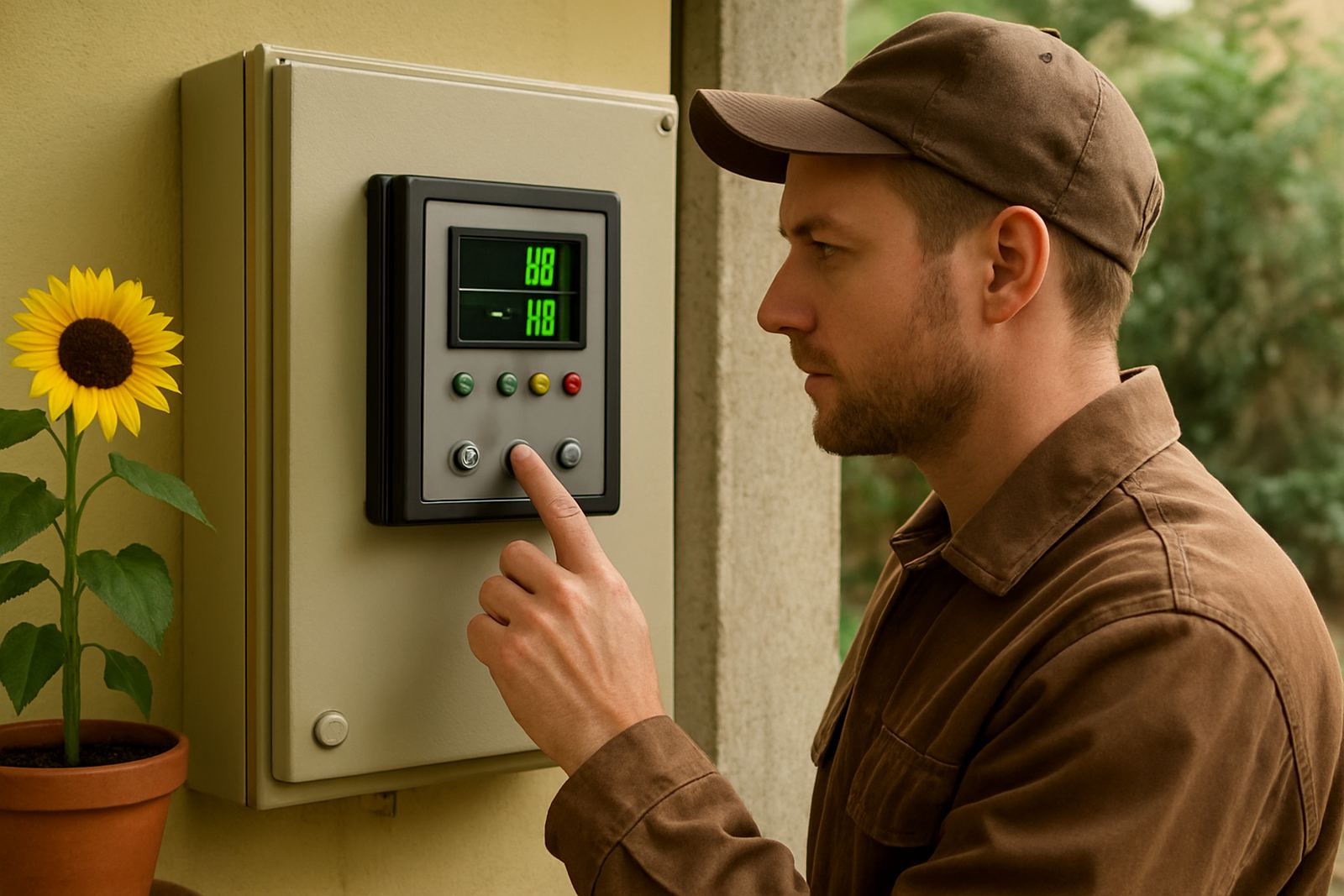
An alarm dialler is a small control unit fitted to a cold room, chiller or plant panel so it can send a remote warning when a fault occurs. It watches alarm contacts from the controller, high temperature points, power failure inputs, door faults and other signal points, then sends a call, SMS or app based alert to the people you choose. For sites in Gqeberha, Despatch and Uitenhage this is useful when load-shedding or an overnight trip could push product outside safe temperature very quickly.
On practical sites, the dialler is often the difference between a call-out at 02:00 and finding spoiled stock at 07:00. It does not replace a good controller or a proper maintenance plan, but it gives you eyes on the plant when nobody is on site. That matters for butcheries, dairy stores, supermarkets, food processing rooms and medical storage areas.
Typical alarm dialler options and sizes
Alarm diallers come in a few formats depending on how many inputs you need and how far the alert must travel. Small units are suited to one cold room or a single chiller, while larger units can monitor several plant points, separate store rooms or multiple alarm conditions at once. Some units are hard-wired into the panel, while others can be mounted near the controller and linked by dry contacts.
- Single-zone diallers for one cold room or one chiller circuit
- Multi-input units for plant trip, high temp, low temp and power fail signals
- GSM or cellular diallers for sites without fixed line support
- Units with battery backup for power cuts and load-shedding
- Units with local buzzer or indicator light for on-site warning
For some premises a basic two-input unit is enough. For larger sites in Graaff-Reinet or Port Alfred, a multi-input unit gives better control because the fault can be identified before anyone arrives. That saves time and a fair amount of fuel too.
Where alarm diallers suit best
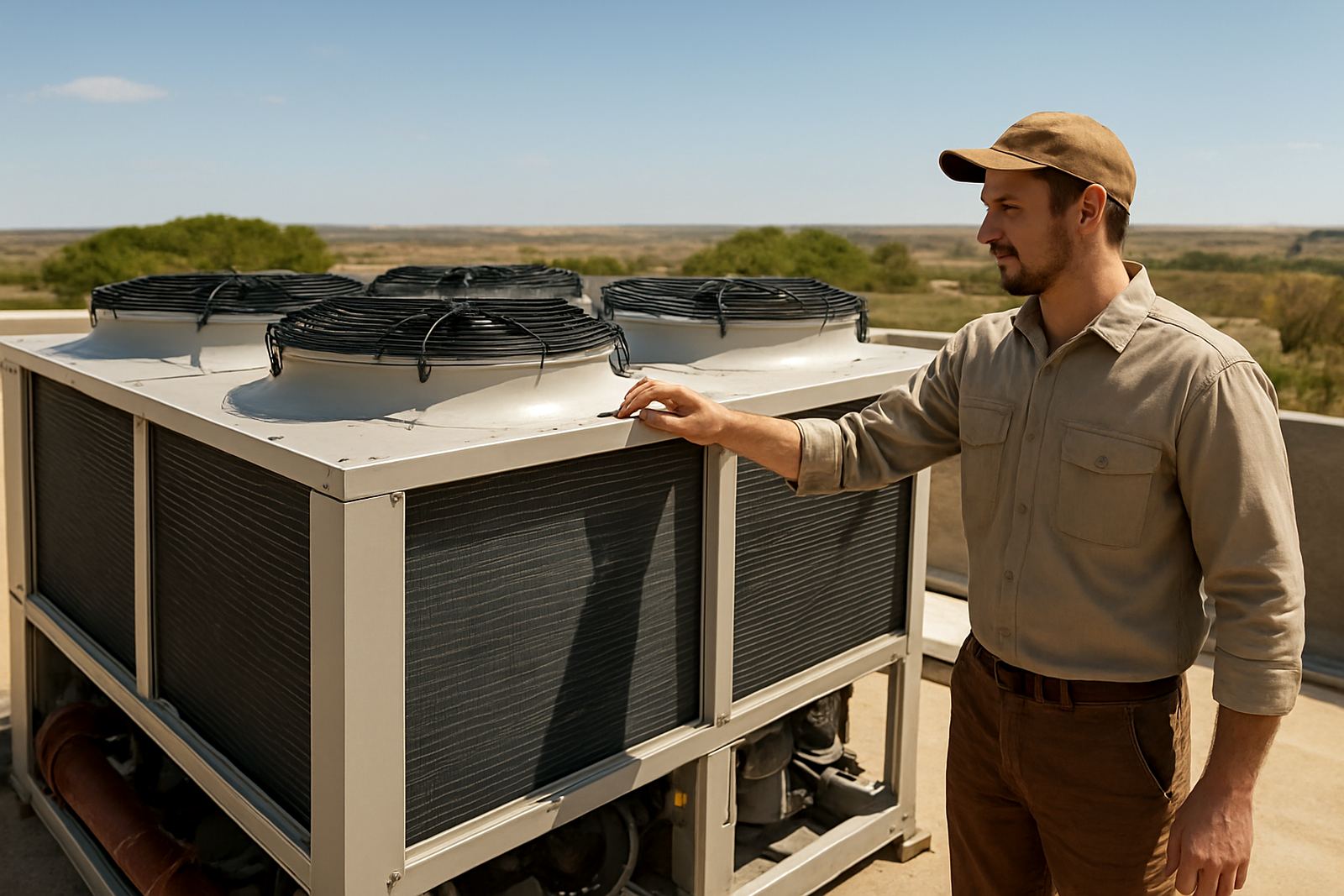
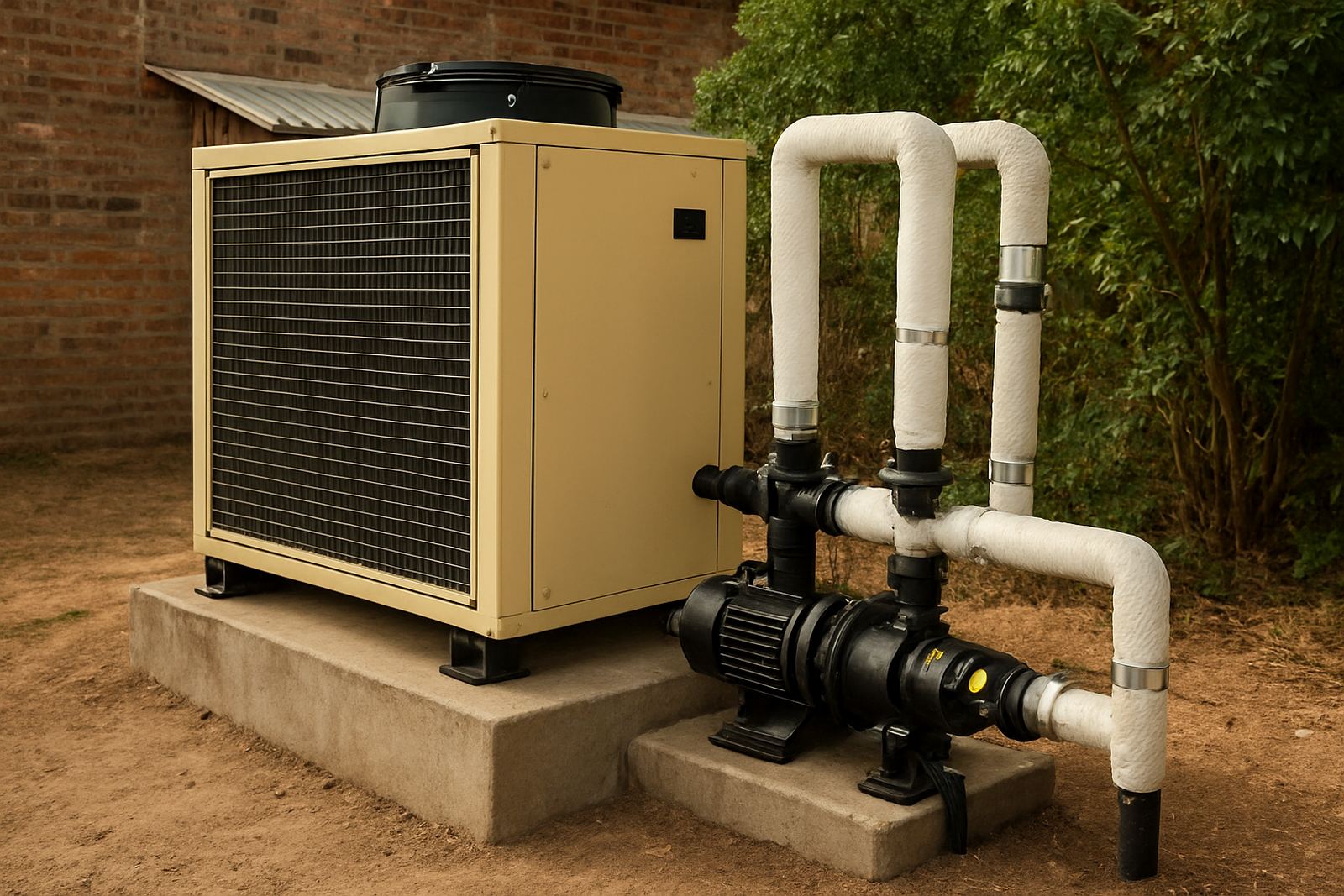
These devices are suited to places where temperature control cannot be left to chance. Cold rooms with high stock value, remote storage sheds, production plants, ice machines and chilled display rooms are all common fitment points. They also work well on packaged chiller plants where a high water temperature, pump fault or compressor trip needs a quick response.
Alarm diallers are especially useful on sites with after-hours access issues or where the manager is not always nearby. If the plant sits in an industrial area with long response times or in a coastal area where humidity can affect controls, the dialler gives an early warning before the issue becomes a full breakdown.
- Food storage rooms and prep areas
- Cold stores in retail, hospitality and distribution
- Packaged chillers serving offices, factories or medical rooms
- Back-up plant that must start after a trip without delay
- Remote sites where response time is limited
Installation, power and signal needs
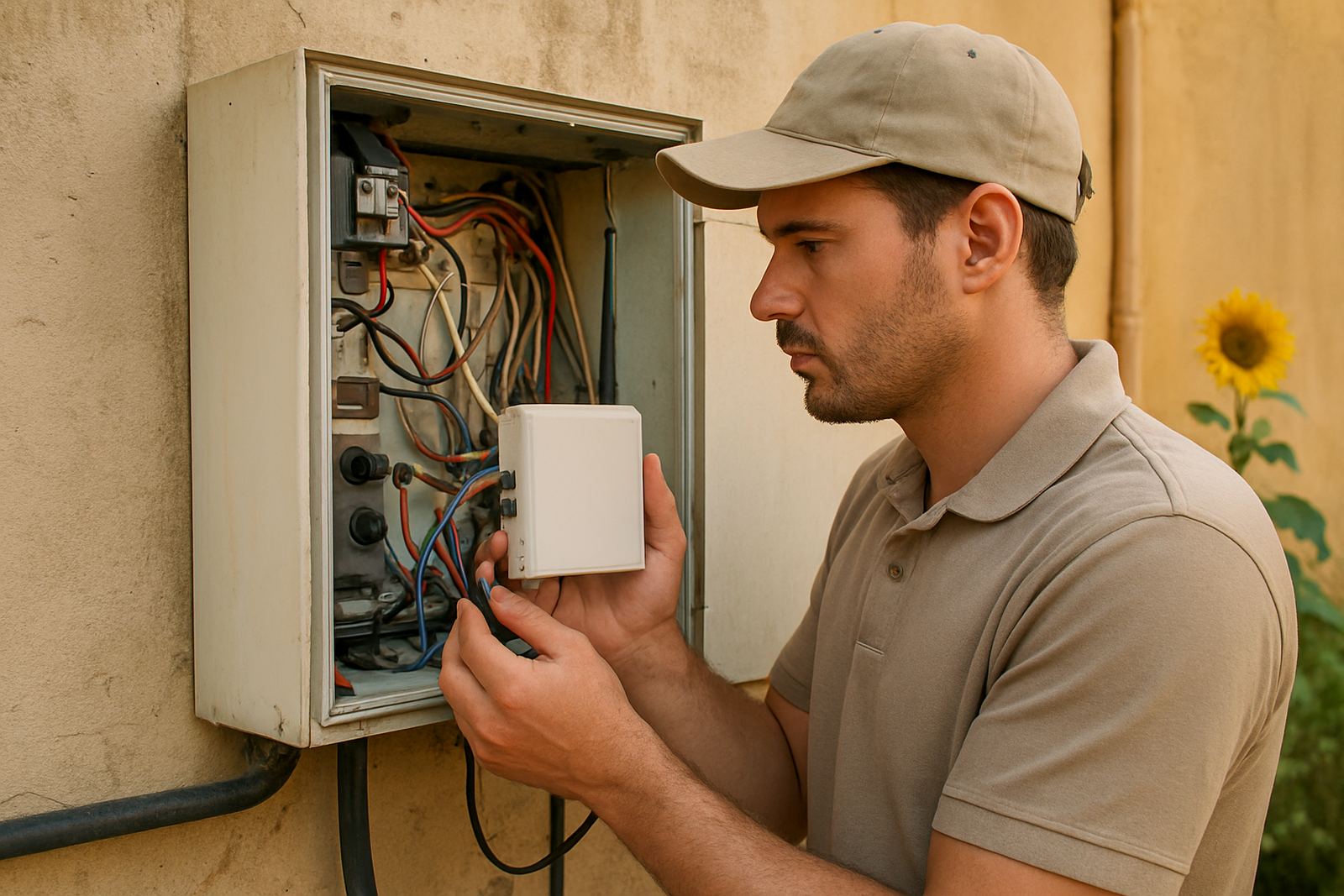
Correct installation starts with identifying the alarm points on the existing controller or control panel. The dialler is then wired to clean, stable contacts so it can see a real fault and not a nuisance signal. In many cases we also check whether the controller needs a relay interface, especially where the alarm output is shared with another function or the signal is low voltage.
Most units need a stable power supply and battery backup. On sites affected by load-shedding in the Eastern Cape we normally test what happens during changeover, because some systems drop out for a few seconds and then restart with the wrong alarm state. If the site uses cellular notification, signal strength must be checked at the plant room or switchboard position before we confirm the fitment. A weak signal can be sorted with a better mounting point or external antenna.
When there is no fixed line, a GSM based unit is often the simplest choice. It can also be a good option for rural sites around Jeffreys Bay or on the road to Bedford where a wired line is not practical. Wiring should be neat, labelled and kept clear of wet areas, rotating equipment and hot discharge lines.
Care, testing and planned servicing
Alarm diallers need periodic testing. Like any control accessory, they can fail quietly if the battery goes flat or the signal card stops communicating. During planned maintenance we check the alarm trigger, the battery condition, the network signal and whether the alert list still reaches the right people. Staff changes happen, numbers change, and a working dialler is only useful if the call gets answered.
We also recommend a test after any major electrical work, controller change or compressor replacement. If the plant panel has been altered, the alarm mapping can shift and an input may no longer mean what it used to mean. In some cases the dialler may need a simple reprogramme, in others a full re-check of the logic.
- Test each alarm input at least once a month
- Check battery backup during planned maintenance visits
- Confirm phone numbers and escalation contacts
- Keep the enclosure clean, dry and closed properly
- Replace damaged probes or loose wiring before the next peak season
What to check before you order
Before you order a dialler, it helps to know what the site must report and who must receive the alert. A small shop may need only one high temperature alert sent to the owner and a technician, while a larger plant may need several escalation steps. We also need to know whether the system must report on alarm only or on live temperature trends as well.
Bring the following details if you are unsure where to start: the type of cold room or chiller, the make of the controller if known, how many alarm points are needed, whether the site has cellular signal, and what should happen during a power cut. If you already have a control panel, we can inspect the output type and confirm the right interface before any equipment is fitted. That avoids wrong parts and saves time on site.
For sites handling valuable stock, we often pair the dialler with temperature monitoring and a proper maintenance schedule. That gives a better picture of what the plant is doing and makes repeat faults easier to track. It also helps when you need records for internal audits or municipal health checks.
Key facts
| Power supply | 230 V AC with battery backup on most units |
|---|---|
| Signal method | Cellular or dry-contact alarm interface |
| Inputs | 1 to 8 alarm inputs depending on model |
| Alert types | Call, SMS or app-based notification |
| Mounting | Wall-mounted near control panel or inside enclosure |
| Typical use | Cold rooms, chillers, plant trips and power failure alerts |