Compact cold room cooling for tighter spaces
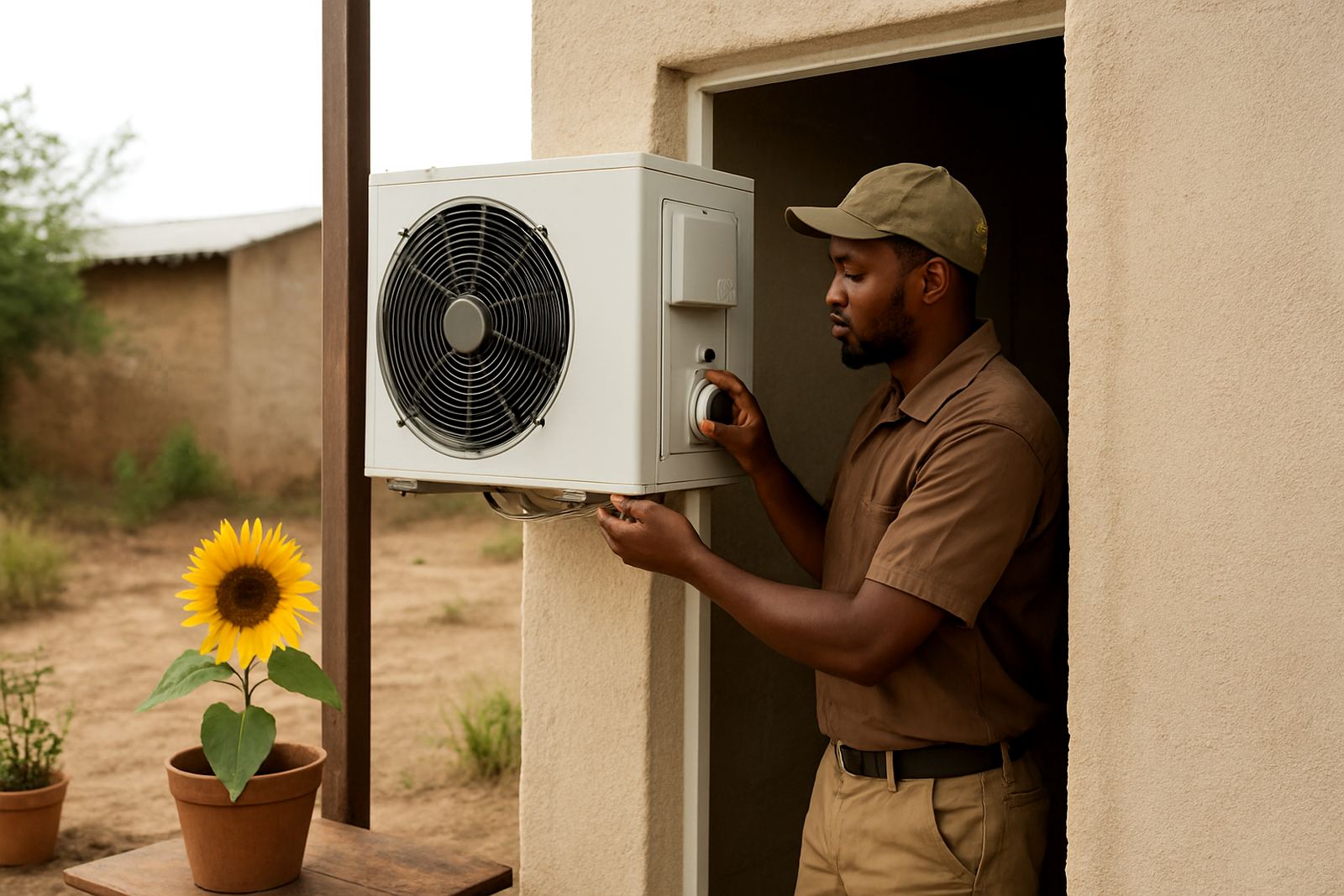
A monoblock unit is a factory assembled refrigeration system that mounts through the wall or ceiling of a cold room. It brings the evaporator, condenser, compressor, controls and drain management into one unit, which keeps the installation tidy and cuts down on pipework. For bakeries, butchers, bottle stores, supermarkets, fish rooms and farm stores, it is a practical option when floor space is tight and the cold room is not large enough to justify a split system.
In the Eastern Cape, monoblock units are often chosen for small chill rooms that need quick turnaround after a fitout or when an older cooler is being replaced during a shutdown. They suit sites in Gqeberha, Uitenhage, Despatch, Jeffreys Bay, Graaff-Reinet and Port Alfred where you need reliable holding temperatures without a long install period. The unit can usually be fitted with less disruption to trading, and that matters when stock is already on site and power cuts can stretch a job out longer than planned.
Because the full refrigeration circuit is contained in one housing, the job is simpler for cleaning, fault finding and regular servicing. That does not mean it can be ignored though. Coastal humidity, dust and poor airflow around the unit can still cause poor performance and extra power draw, so placement and servicing are important from day one.
Common sizes and build options
Monoblock units are usually selected by room size, product load and target temperature. A small produce room may only need a lower capacity unit, while a butcher or dairy room with frequent door opening will need more cooling power. At Nvirocool we look at the actual room use, insulation thickness and the hours the door stays open before recommending a size.
Typical options include chilled or medium temperature models, and units designed for wall mounting or ceiling mounting depending on the room layout. Some units are fitted for easy access from the front for cleaning and checks, while others are arranged to keep the external section clear of walkways or delivery points. For small rooms, the right unit should not be oversized. Too much capacity can cause short cycling and uneven temperatures, which wastes electricity and puts strain on components.
- Small rooms: produce, flowers, dairy, prepared foods, drinks
- Medium rooms: meat, frozen foods, mixed stock holding
- Wall or ceiling mount options depending on access and room depth
- Single phase or three phase supply options, subject to capacity
- Defrost control, digital thermostat and alarm options where required
We also check whether the room needs a low temperature evaporator setup, extra door seal work or a stronger drain arrangement. Small details make a big differnce to day to day running costs.
Where monoblock units fit best
These units work best in cold rooms where the load is steady and the room size is within the unit’s rated capacity. They are a common choice for small retail back rooms, hospitality stores, laboratories, packhouses, takeaway prep areas and agricultural holding rooms. They are also useful where the client wants a clean installation with fewer exposed pipes and fewer wall penetrations.
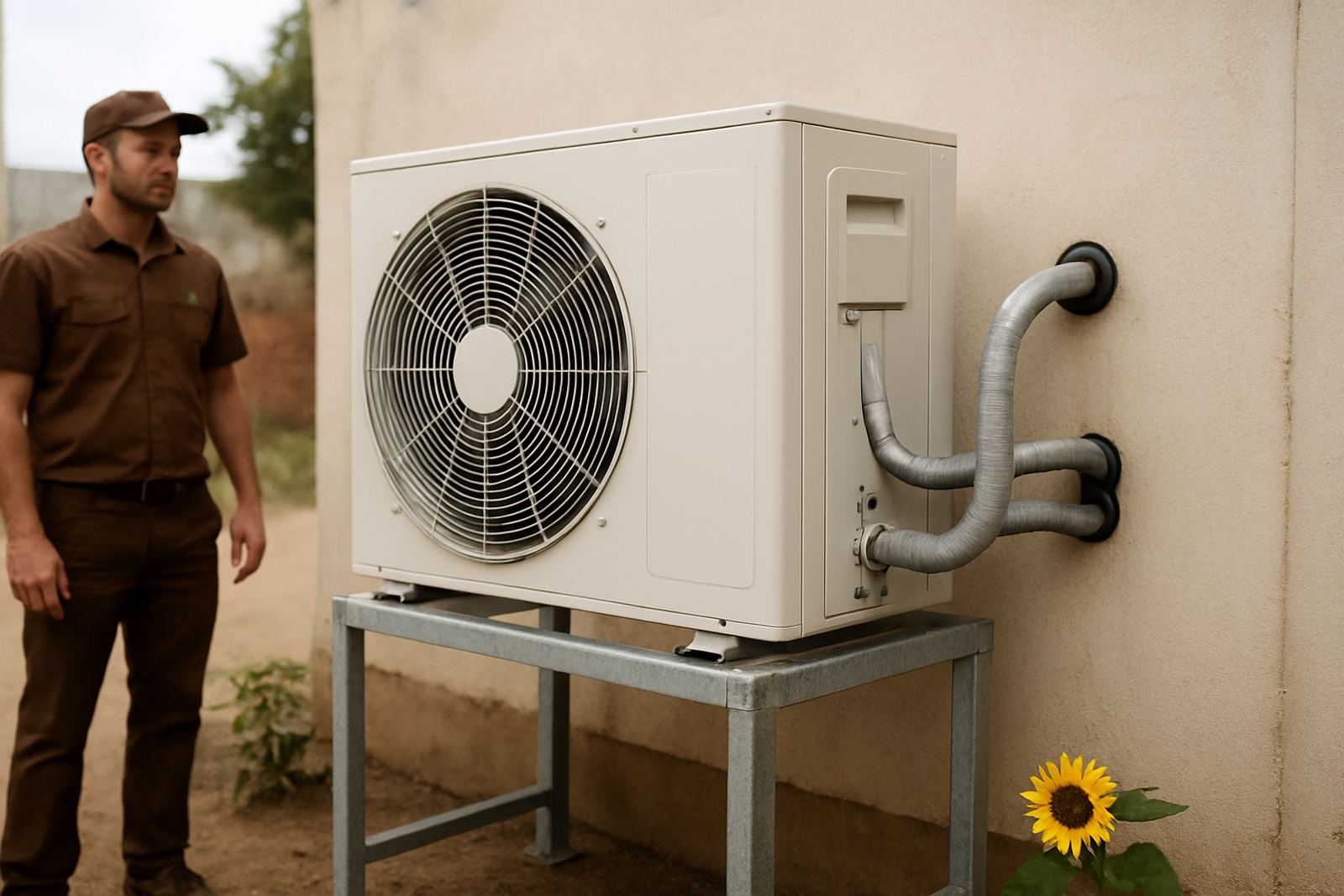
For Eastern Cape conditions, we often recommend monoblocks where the room can be kept out of direct sun and the unit has proper outside air flow. In a hot, dusty or salty environment, the condenser side must be easy to reach for cleaning. If the unit is fitted against a wall with poor clearance, it can struggle to reject heat and the compressor works harder. That pushes up running costs and can shorten service life.
- Small to medium cold rooms with regular stock rotation
- Sites that need a quicker install than a full split system
- Rooms where pipe runs must be kept short and neat
- Businesses that want simpler servicing and fewer refrigeration joints
- Facilities that need a replacement during a short shutdown window
Installation, power and gas requirements
Installation starts with a proper site check. We confirm the room dimensions, insulation condition, door usage, product load, power supply and ventilation space around the unit. A monoblock still needs correct positioning, clear airflow and a sound electrical supply. If the room is under insulated or the door seals are failing, even the best unit will struggle to hold temperature.
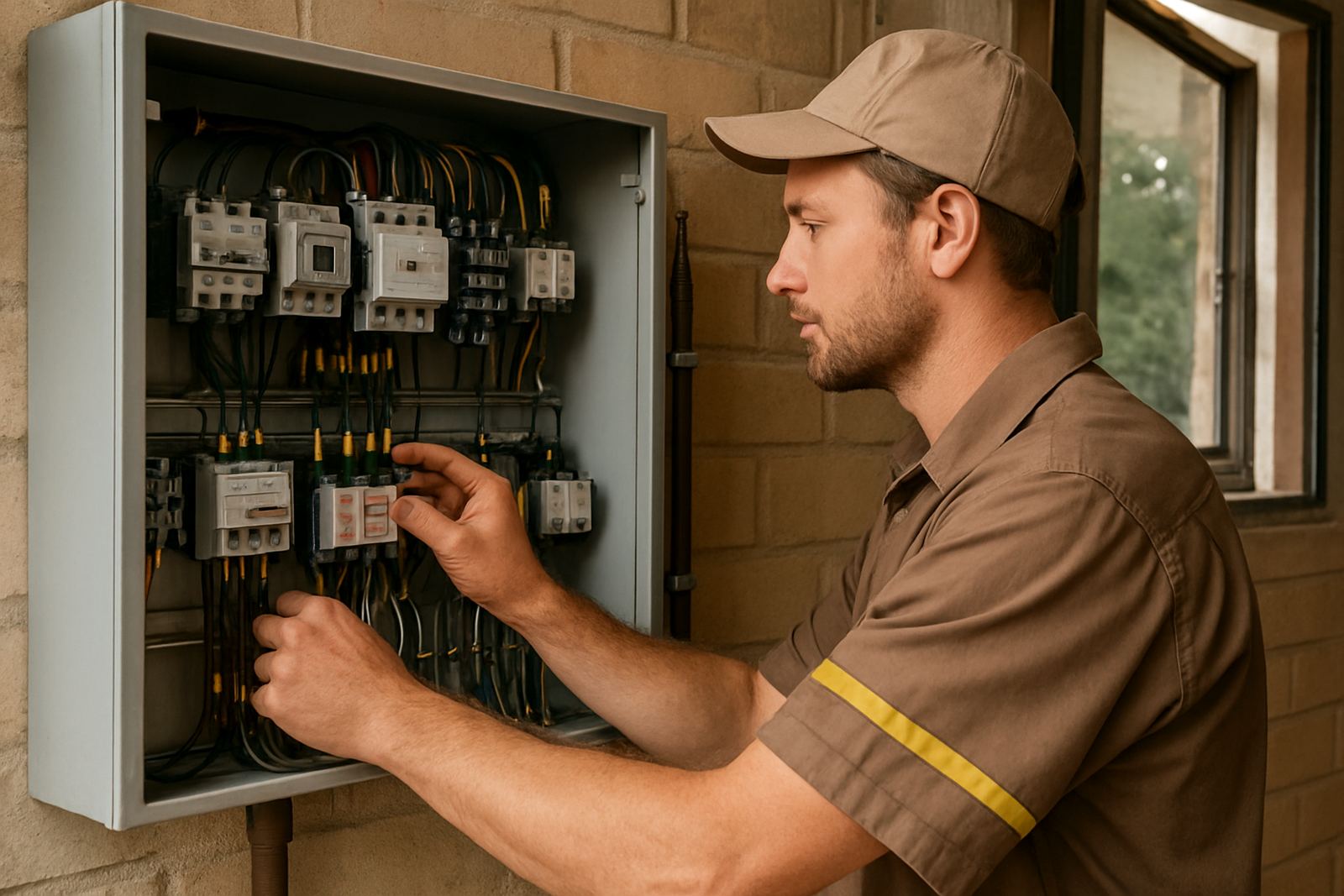
Power requirements depend on the model, but a monoblock may run on single phase or three phase supply. We check starting current, cable size, isolator position and protection against nuisance trips, especially where load-shedding backup equipment is already in use. In many cases the client needs to confirm that the backup power system can handle the compressor start and running load, not just the lights in the room.
On the gas side, modern units are supplied with the correct refrigerant for the design, and any conversion or major repair must be handled properly to avoid leaks and pressure problems. If a site is moving away from older gas types, we can assess whether a conversion is suitable or whether replacement is the better option. A neat install is important, but so is compliance with pressure testing, leak checks and safe commissioning.
Care, servicing and fault prevention
Like all refrigeration equipment, monoblock units need regular care. Dust build-up on the condenser, blocked drains, worn door seals and iced evaporators are among the main reasons for poor cooling. Planned maintenance helps catch these faults before stock is affected. For coastal towns such as Jeffreys Bay and Port Alfred, salt and damp air can speed up corrosion, so inspection intervals should be sensible and not left too long.
Our service checks usually include coil cleaning, fan inspection, drain clearing, electrical tightening, thermostat verification and a general look at temperature stability. If the unit is cycling too often or the room takes too long to pull down after deliveries, that points to a bigger issue such as low gas, incorrect airflow or a load problem in the room.
- Clean condenser and evaporator coils on schedule
- Check door seals and hinges so the room closes properly
- Keep product stacked clear of air discharge and return paths
- Watch for ice on the coil, water on the floor or noisy fans
- Record room temperatures daily for early fault detection
Good housekeeping saves electricity and reduces downtime. A cold room that is treated well will usually run quieter, hold temp better and last longer. That is the aim, not just getting through one busy week.
What to check before you order
Before ordering a monoblock unit, measure the room size in metres, the insulation thickness, the product type and the temperature range you need. Check the wall or ceiling space available for the unit body and make sure there is enough outside clearance for heat rejection and servicing access. If the room is already built, send photos of the inside and outside faces so the mounting position can be planned properly.
You should also confirm the supply voltage, whether backup power is available, and how often the room door opens during the day. A room that is opened every few minutes needs different advice to a low-use holding room. If you are storing meat, dairy or flowers, the load profile matters, as does whether the room is in a hot part of the building or near a loading bay.
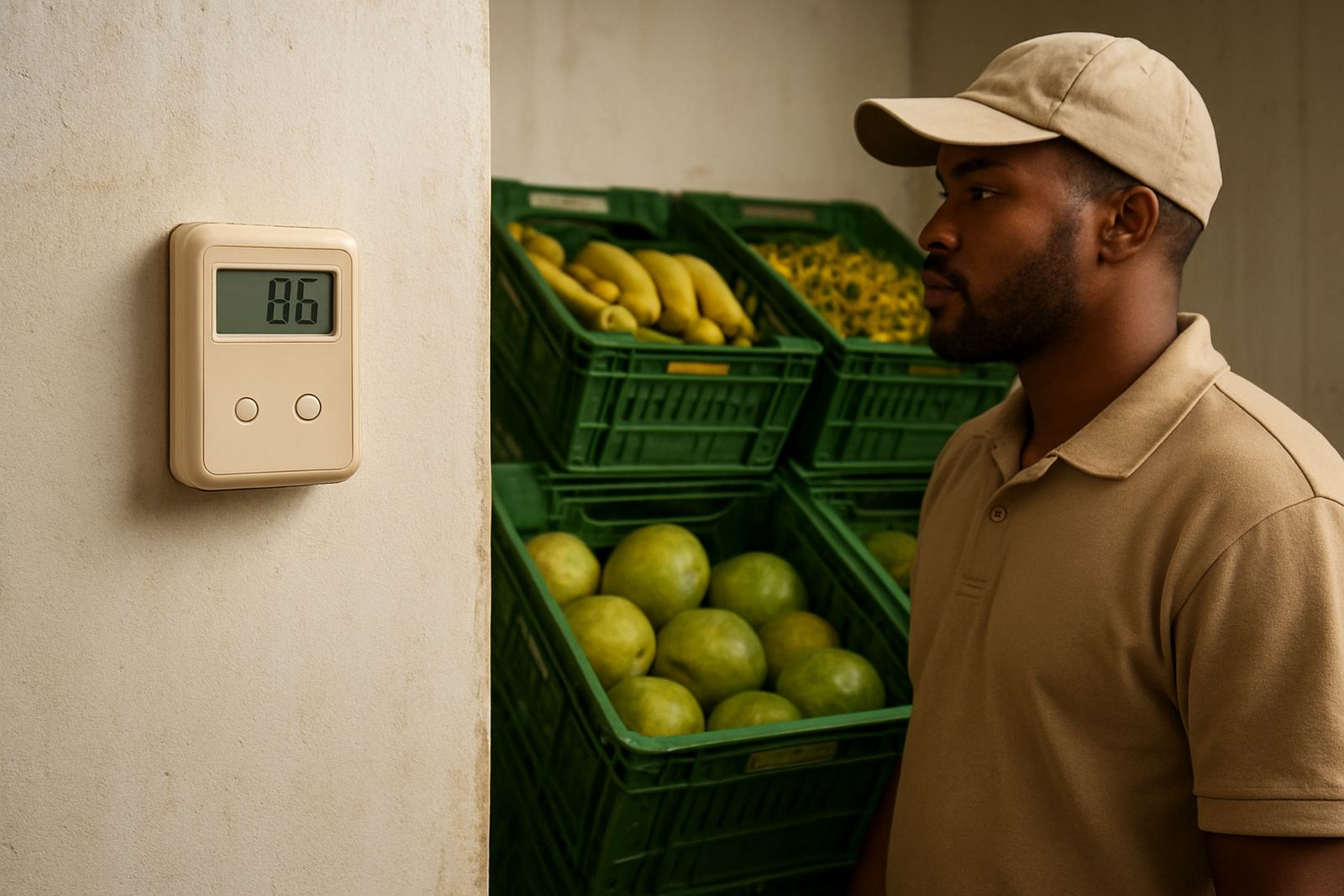
At Nvirocool, we also look at what happens if the unit stops. For high value stock, temperature monitoring and alarms may be worth adding from the start. If the room has old panels, poor seals or a weak floor, it may be better to fix those issues at the same time instead of asking the new unit to carry the full burden on its own. The right choice is the one that fits the job, not just the cheapest box on paper.
Key facts
| Product type | Self-contained monoblock refrigeration unit for small to medium cold rooms |
|---|---|
| Typical use | Chilled storage, medium temperature rooms, prep areas and stock holding |
| Mounting | Wall or ceiling mounted depending on room layout and access |
| Power supply | Single phase or three phase options, subject to model and load |
| Temperature range | Selected to suit chilled or medium temperature applications |
| Service support | Planned maintenance, breakdown repair, leak detection and coil cleaning |