What an underbar fridge does in daily service
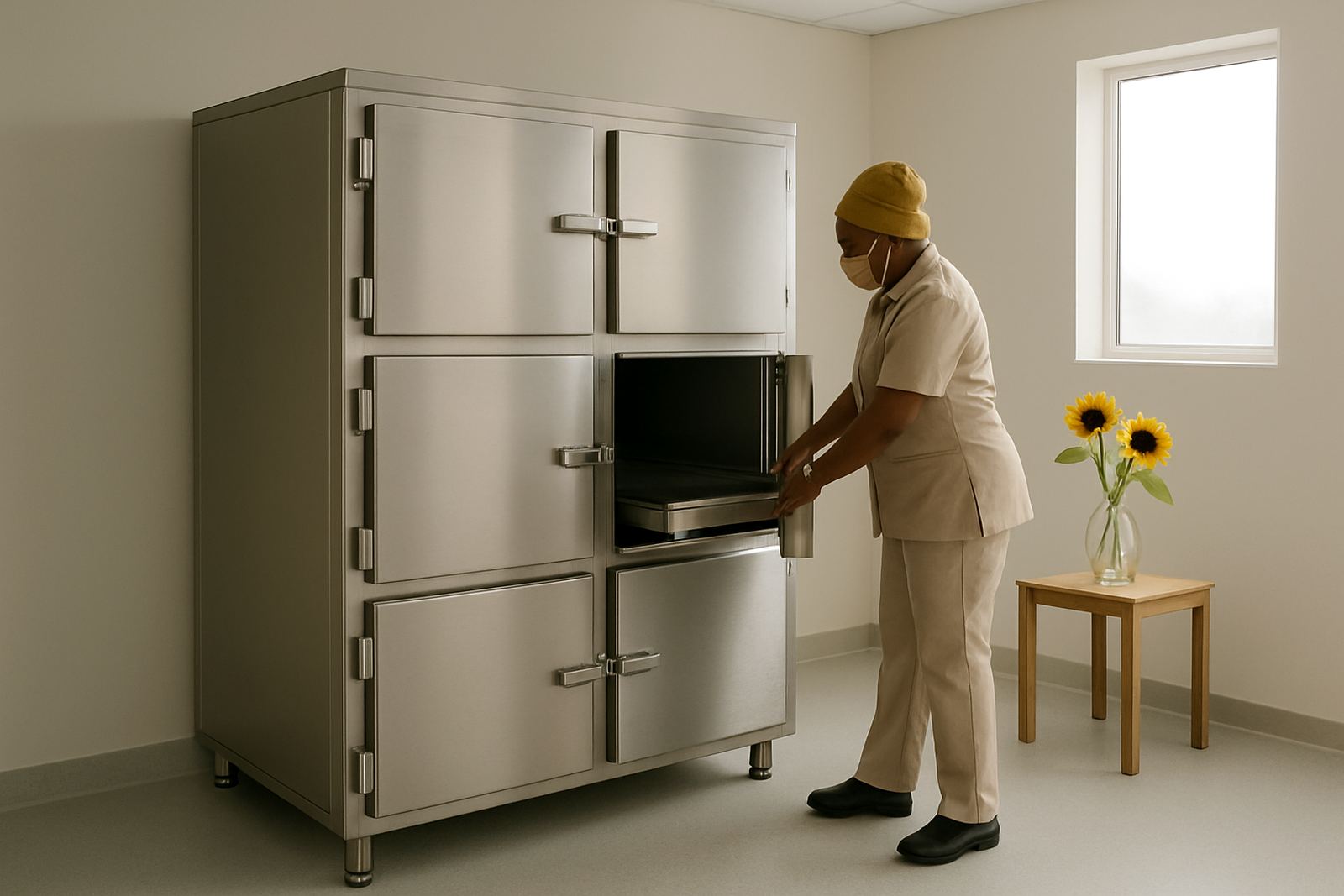
An underbar fridge sits below a counter or service line and gives you chilled storage right where staff need it. It is made for repeated opening through the day, with sliding or hinged doors, stainless or coated finishes, and shelves that can be set for bottles, tubs, trays or ingredient bins. In a small bar in Gqeberha, a compact unit can hold mixers, beer bottles and citrus, while a cafe may use it for milk, yoghurt, salad items and sandwich fillings.
These units are not the same as a domestic fridge. They are designed for commercial use, with stronger door seals, heavier duty fans and better air flow around the condenser. That matters in coastal areas like Jeffreys Bay and Port Alfred where salt in the air can wear parts faster, and it matters in hot kitchens where a unit has to hold temperature even during a long lunch rush.
For many sites, the real value is layout. Staff can work from one point, cut down on walking back and forth, and keep chilled stock in sight. That makes service quicker and helps with stock rotation too.
Sizes, door layouts and storage options
Underbar fridges come in a few useful widths and heights, usually sized to fit standard counter runs and back bars. Common options include 1 door, 2 door and 3 door units, plus drawer combinations for prep areas where staff need fast access to smaller items. Depth also matters, because some counters are shallow and others allow a deeper cabinet with more shelf space.
When choosing a model, think about the size of bottles or tubs you want to store. A bottle shelf for a bar is different from shelving for hotel trays or ingredient pans. Adjustable shelves make a big difference if the stock mix changes during the week. A unit with removable shelves is also easier to clean when spills happen, which they will.
- Single door units suit small bars, tasting rooms and coffee counters.
- Two door units suit medium service runs with mixed stock.
- Three door units suit busier kitchens and higher turnover bars.
- Drawer styles suit garnish, dairy, sliced produce and prep items.
- Low-height units work where the counter line has tight clearance.
Where undercounter cooling works best
These fridges suit cafes, restaurants, cocktail bars, school canteens, guest houses and food prep points where chilled items must stay close to hand. They are also useful in bakeries for fillings and dairy, and in takeaway kitchens where every square metre counts. In older buildings around Graaff-Reinet or Despatch, where space can be awkward, an underbar fridge often solves a layout problem without changing the whole counter run.
They work best when the room has reasonable ventilation and staff are not blocking the vents with boxes or bags. If the cabinet is pushed into a tight opening with no airflow, the compressor will work harder and power use climbs. In warm Eastern Cape summers, that extra strain can show up quickly. We often see units performing badly simply because the back grille is dusty or the counter cavity traps heat.
- Front-of-house bars with quick drink service.
- Prep counters where ingredients must stay chilled and within reach.
- Small kitchens with limited floor space.
- Sites running during load-shedding with generator or inverter support.
Installation, power supply and gas considerations
Proper installation starts with level placement, clear air space around the condenser and a dedicated power point that can handle commercial duty. Most underbar fridges run on standard single phase supply, but the circuit should still be checked for correct breaker sizing and earthing. If the site has frequent load-shedding, the fridge should be matched to the available backup supply so it does not restart badly after every outage.
For refrigerated equipment in commercial use, refrigerant type matters too. Many newer units use lower impact gases, and older systems may need assessment before any conversion or replacement. If a fridge has been moved from another site, we check the pipework, compressor condition and thermostat control before putting it into service. A unit that looks fine can still have weak seals, low charge or poor fan performance.
We also look at the room conditions around the cabinet. Close to ovens, dishwashers or direct sun through glass, the cabinet will struggle more than expected. That can shorten the life of the compressor and raise electricity use. In coastal towns, careful placement helps reduce moisture-related wear on fittings and hinges too.
Care, cleaning and servicing that keeps temperatures steady
Underbar fridges need routine cleaning and scheduled checks, not just a wipe now and then. Door seals should be cleaned so they keep closing tightly, shelves should be lifted out for washdown, and the condenser coil should be cleared of dust, lint and kitchen grease. If the unit is running all day in a bar or cafe, a blocked coil can cause poor cooling, ice build-up or noisy operation.
Our maintenance work for Eastern Cape sites often includes temperature checks, fan inspection, thermostat testing, seal replacement and leak detection. If a fridge is cycling too often or struggling to recover after a busy service period, that is usually a sign something is off. Catching it early is far cheaper than replacing a compressor later.
- Clean door seals weekly.
- Wipe spills before they harden around hinges and handles.
- Keep vents clear of boxes, packaging and cloths.
- Book coil cleaning and gas leak checks on a planned schedule.
- Watch for frost where it should not be, or puddling under the unit.
What to check before you order
Before ordering, measure the exact opening, not just the cabinet space on paper. Check the height under the counter, the door swing or drawer pull room, and whether the unit must fit through a narrow doorway at delivery. Also confirm the stock mix. A cafe holding milk and dessert cups has different needs from a bar storing bottles and garnish tubs. If you plan to keep trays or pans in the cabinet, check the internal shelf clearances carefully.
Ask about temperature range, noise level and whether the unit can handle the room conditions at your site. In a hot kitchen, a model with better air flow and a stronger compressor may be worth more than the cheapest option. It is also sensible to confirm service access. If the condenser is hard to reach, routine maintenance becomes awkward and the unit is more likely to be neglected. That leads to higher running cost, and nobody wants that on a monthly electricity bill.
Finally, think about future use. A unit that is a little bigger than today’s need can save you from replacing it in a year or two when trade grows. Small businesses in places like Uitenhage and Port Alfred often benefit from equipment that can take a change in menu or service volume without needing a full refit.
Key facts
| Typical widths | 900 mm, 1200 mm, 1500 mm and 1800 mm |
|---|---|
| Height range | About 800 mm to 900 mm undercounter fit |
| Door or drawer options | 1, 2 or 3 doors, with drawer combinations available |
| Temperature range | Usually 0 °C to 5 °C for chilled storage |
| Power supply | 220 V to 240 V single phase, subject to model |
| Common finishes | Stainless steel or coated commercial finish |