What a Glycol Chiller Does on Site
A glycol chiller cools a closed loop of water and glycol mix, then sends that chilled fluid to equipment, tanks, heat exchangers or jackets that need a stable temperature. The glycol lowers the freezing point and helps the system hold temperature better in cold weather, during start-up surges and where the plant sits idle for parts of the day.
That makes these units useful for food and beverage plants, dairies, breweries, chemical blending, plastics, print lines and any process where product quality depends on consistent cooling. In coastal areas like Gqeberha, the system also needs to handle salt air, dust and long summer running hours, so the right coil protection and maintenance schedule matter a lot.
Package Sizes and Options We Supply
Glycol chiller packages can be set up for small production rooms or multi-point process cooling. The size depends on heat load, ambient conditions, operating hours and how much temperature swing the process can tolerate. We match the unit to the actual duty, not just the motor size on paper.
- Small package units for lab rooms, pilot lines and compact process areas
- Medium systems for food prep, bottling and packaging lines
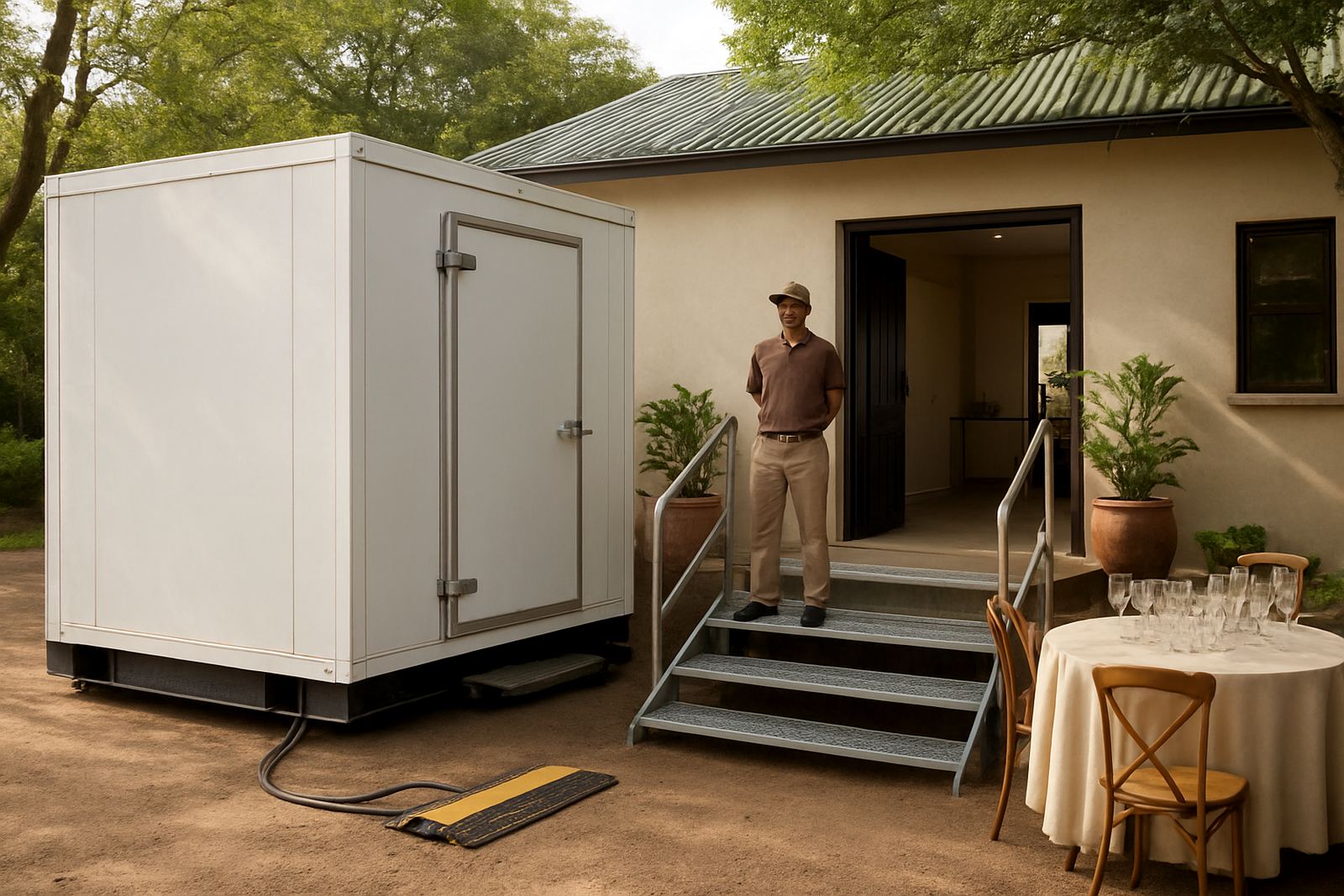
- Large skid or split packages for multiple tanks and longer pipe runs
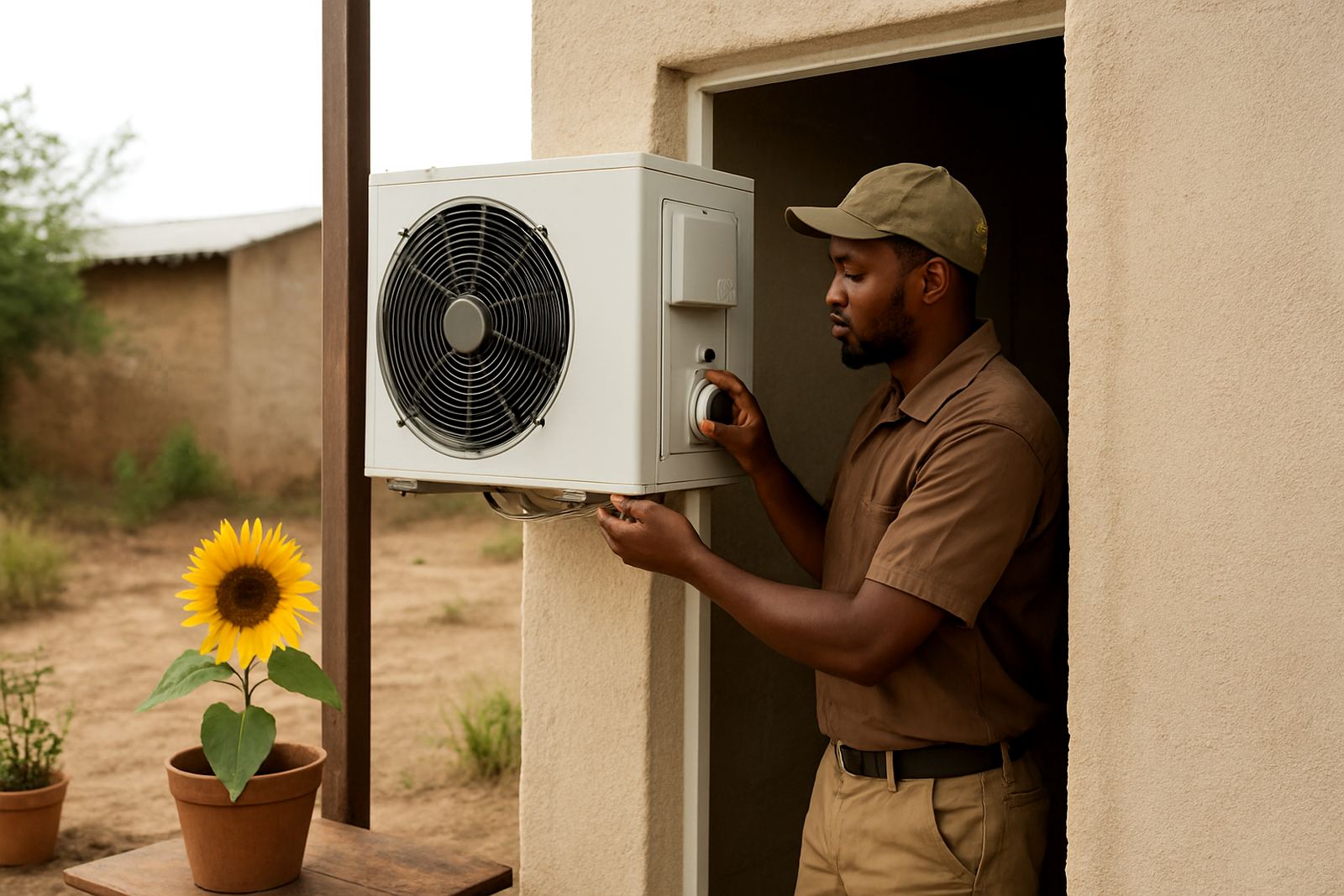
- Air-cooled or water-cooled layouts, depending on site water availability and condenser space
- Single-circuit or multi-circuit systems for redundancy and better part-load control
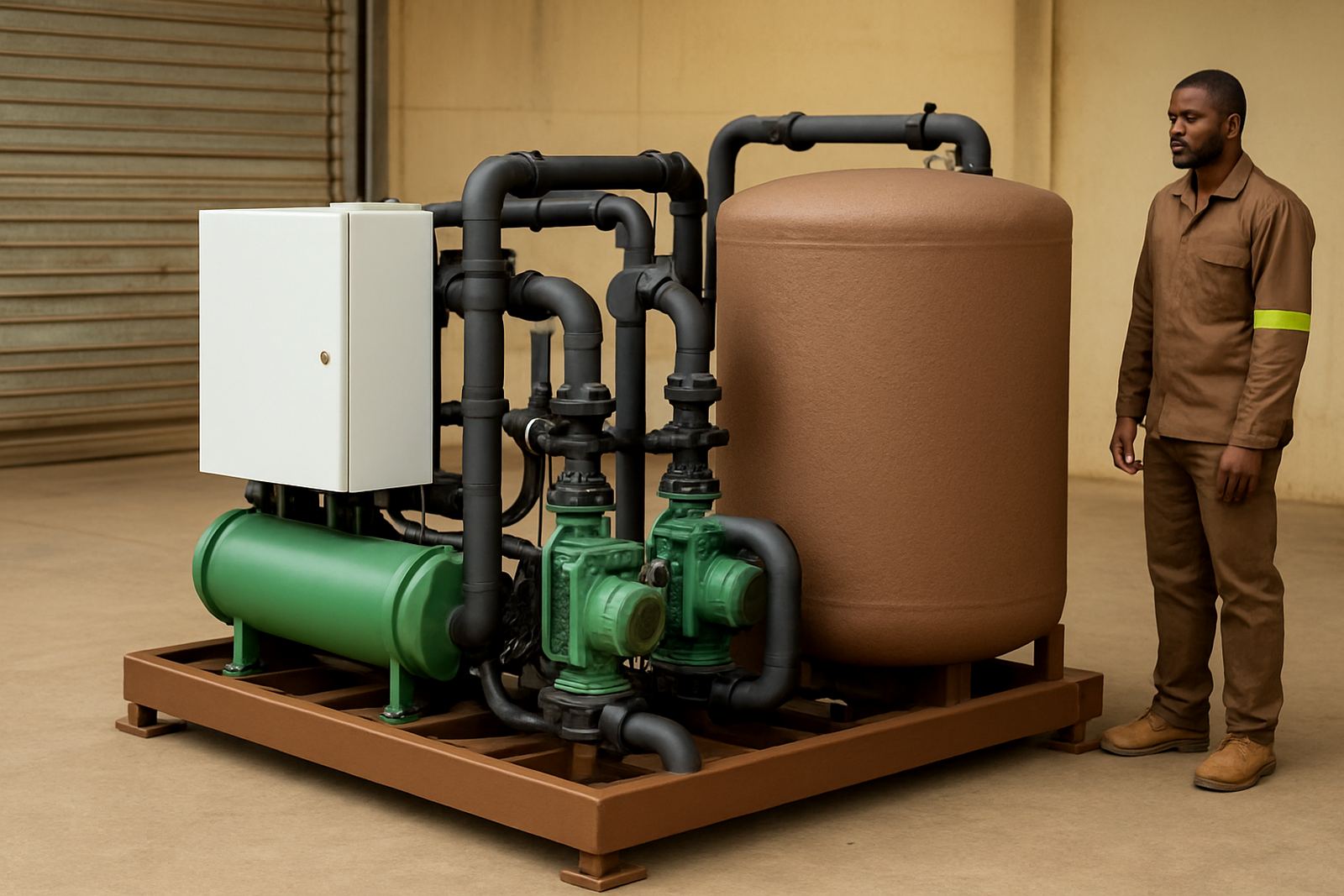
- Tank, pump and insulation options for cleaner control and better energy use
We also check whether the client needs anti-freeze protection, variable speed pumping or backup alarms for process protection during load shedding. A small oversight here can cost a full batch, not just a warm room.
Where Glycol Cooling Works Best
These systems suit places where product or process quality depends on a narrow temperature band. In practice that includes product cooling, jacketed vessels, fermentation rooms, heat rejection from machines, and chilled loops feeding plate exchangers or cooling coils. They also work well where water quality is poor or where a closed loop is easier to manage than open chilled water.
Along the Eastern Cape coast, humidity and corrosion can shorten equipment life if the plant is not protected properly. Inland areas such as Graaff-Reinet often face dust and higher daytime temperature swings. We account for both conditions when specifying fans, filters, controllers and weather protection.
- Food and beverage production
- Dairy and cold processing rooms
- Bottle filling and packaging lines
- Pharmaceutical support cooling
- Chemical mixing and batch control
- Laboratory and test environments
Installation, Power Needs and Site Readiness
A good install starts with the heat load, pipe routing and control arrangement. We look at where the chiller sits, how far the fluid must travel, and whether the plant needs one pump or two. Correct pipe sizing keeps pressure drop low and helps the system deliver chilled glycol evenly to all points.
Power supply is another key point. Many sites in Gqeberha, Uitenhage and Despatch are managing load shedding and power dips, so we check starting current, control protection and restart settings. If the unit must ride through supply breaks, we can plan for alarm outputs, temperature logging and interface points for standby power. The compressor and pump package should not trip every time the grid acts up, otherwise you are fighting the same fault again and again.
- Space for airflow around air-cooled condensers
- Drainage for service, washdown and condensation
- Access for coil cleaning and filter checks
- Correct pipe insulation to reduce sweating and heat gain
- Electrical isolation, control cabling and safe maintenance access
Energy Saving Retrofits and Control Upgrades
If your current glycol chiller is still mechanically sound but costly to run, a retrofit may be the better answer. We often improve older systems with control upgrades, better pumps, sensor changes and cleaner heat transfer surfaces. On some sites the biggest saving comes from replacing worn valves or fixing poor control logic rather than changing the full plant.
Nokulunga Dlamini, our Energy Audit Specialist, reviews operating hours, peak demand and temperature performance to show where the power is being wasted. Ruan Smit leads retrofit projects where the cooling load has changed over time or where an older package now struggles with production growth. The aim is simple: use less electricity, hold temperature better, and reduce nuisance faults.
Where suitable, we can also look at low-GWP refrigerant conversions and leak reduction measures on the refrigeration side. That helps clients planning ahead for compliance, service cost and long-term supply of refrigerant gas.
Care, Servicing and Temperature Protection
Closed-loop glycol systems still need planned maintenance. Even with good fluid, strainers, coils, fans and pumps can build up wear from dust, oil and general plant use. If the loop concentration drifts or corrosion starts, temperature control gets less stable and energy use climbs. We see this often in sites that only call for help after a trip or product loss.
Our planned maintenance service can include fluid checks, leak detection, coil cleaning, sensor testing, pump inspection and controller checks. For critical production lines, temperature monitoring can be linked to alarms so the team gets a warning before the product is out of spec. Ayabulela Ndlovu coordinates service visits, while Siyabonga Mthembu handles technical fault-finding and repairs on site.
- Check glycol concentration and freeze protection regularly
- Clean condenser and evaporator coils before peak summer
- Inspect pumps, seals and hose joints for slow leaks
- Test alarms, cut-outs and temperature sensors
- Keep the machine room clear for air flow and service access
What to Confirm Before You Order
Before ordering a glycol chiller, it helps to have a clear list of process details. That saves time and avoids a unit being undersized, overworked or awkward to install. Leanne Petersen can assist with commercial details, while Yolanda Jacobs keeps client information and site notes in order.
Please have the following ready if possible: required chilled fluid temperature, return temperature, flow rate, duty hours, pipe run lengths, voltage available, and whether the system is indoors or outdoors. Also note if the plant sits in a hot room, near sea air, or in a dusty production area. Those conditions affect condenser choice, cabinet protection and the service interval.
- Target supply and return temperature
- Estimated cooling load in kW or the equipment list
- Fluid type and required glycol percentage
- Electrical supply and phase arrangement
- Space available for tank, pumps and controls
- Any alarm, monitoring or backup requirements
For sites in Gqeberha, Port Alfred, Jeffreys Bay and the inland towns we support, we can assess the application, recommend the right package and carry out commissioning with the client’s production schedule in mind.
Key facts
| Cooling type | Closed-loop glycol chiller package |
|---|---|
| Typical use | Process cooling and temperature-sensitive production lines |
| Options | Air-cooled or water-cooled |
| Control | Fixed speed or variable speed pump and temperature control |
| Fluid | Water and glycol mix, ratio based on freeze protection needs |
| Service area | Gqeberha, Uitenhage, Despatch, Jeffreys Bay, Graaff-Reinet and Port Alfred |