What a Variable Speed Drive Does in Cooling Plant
A variable speed drive, or VSD, changes the speed of an electric motor instead of running it at full speed all the time. On cooling systems this is useful for evaporator fans, condenser fans, circulation pumps and chilled water pumps. When the demand drops, the drive slows the motor down and the system draws less electricity.
That gives you finer control over temperature, pressure and flow. It also reduces hard starts, which helps with wear on motors, contactors and belts. In many Eastern Cape sites, especially where the power supply can be unstable or load-shedding is part of daily life, a VSD can make the plant easier to manage and less harsh on equipment.
We fit and set up drives on new installations and on older systems that need better control. The right setup depends on motor size, the type of load, and how the cooling equipment is used through the day.
Sizes, Ratings and Common Options
VSDs are selected to match the motor and the job. For refrigeration and HVAC use, we normally supply units for small single-phase motors through to larger three-phase industrial motors. The main point is to size the drive correctly for the motor current, starting demand and the environment where it will sit.
- Input supply: 230 V single-phase or 400 V three-phase, depending on the motor and site supply
- Motor range: typically from fractional kW units up to larger pump and fan motors used on packhouses, workshops and cold stores
- Control methods: local keypad, remote switch, analogue signal, pressure sensor or temperature controller input
- Protection options: overload protection, short-circuit protection, over temperature alarms and fault relays
- Enclosure choice: standard indoor panel fitment or higher IP rating for dusty or humid areas
In coastal areas like Gqeberha and Jeffreys Bay, humidity and salty air matter. If the drive will sit near a sea air intake, in a wash bay, or in a plant room with high moisture, we look at ventilation, enclosure rating and mounting position carefully. For inland sites such as Graaff-Reinet, dust and heat can be the bigger concern.
Where Variable Speed Drives Suit Best
VSDs suit systems where demand changes through the day. If your fans or pumps run at full speed all the time, you are likely paying for power you do not need. A drive makes more sense where the cooling load moves with product intake, room traffic, outdoor temperature or process flow.
Common applications include cold rooms, freezer rooms, milk and beverage cooling, chilled water circuits, condenser fan control and energy-saving retrofits on older plant. They also work well on sites that need quieter operation after hours or during public traffic periods in areas like Uitenhage, Despatch and Port Alfred.
- Cold rooms with varying product loads
- Chillers serving multiple rooms or process lines
- Air cooled condensers with fluctuating ambient temperature
- Circulating pumps on chilled water loops
- Retrofits where the motor is sound but control is basic
Not every motor needs a VSD. Some fixed speed duties are better left alone. We check the duty cycle first so the upgrade actually saves money instead of adding unnecessary electronics.
Installation and Power Requirements
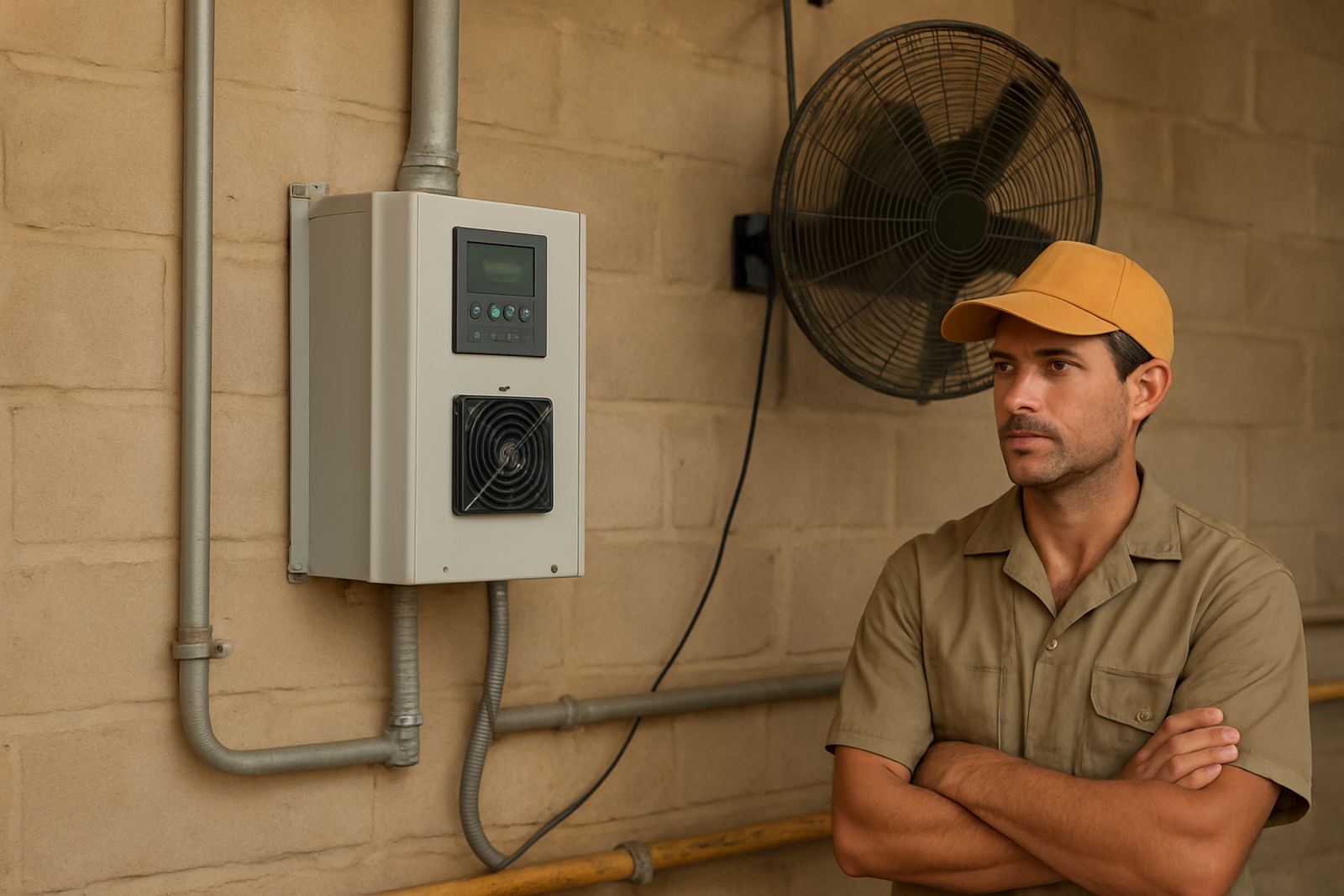
Proper installation matters as much as the drive itself. A VSD needs the motor details, the actual current draw and the control method set up correctly. We also check cabling, isolators, earthing and ventilation around the panel. If the panel sits too close to compressor discharge heat, a washdown area or a dusty ceiling void, it will struggle.
On some sites we add pressure sensors, temperature probes or remote speed signals so the drive can respond automatically. On others, a simple manual speed setpoint is enough. Where there are frequent power interruptions or generator changeovers, we make sure the drive restart behaviour suits the plant and does not create a sudden surge.
For most conversions, no refrigerant gas work is needed unless the drive is part of a larger system overhaul. If we are upgrading fans or pumps on a cold room or chiller, we may also review refrigerant charge, coil condition and control settings at the same time.
Care, Servicing and Trouble Signs
Like any electrical control item, a VSD needs occasional checking. Heat, dust and loose terminations are the common problems. In coastal conditions, corrosion can also creep into terminals and glands. A drive that is installed well and kept clean usually gives long service, but it should not be ignored for years.
During planned maintenance we look at fan operation, filter condition, cabinet temperature, fault history and motor response. We also check whether the drive is hunting, tripping on overload, or running the motor harder than necessary. A small control issue can waste power quietly for months.
- Repeated trip faults
- Motor speed hunting or surging
- Hot cabinets or burnt smell
- Loose terminals or discoloured cables
- Higher than normal power usage
If your site already has emergency breakdown cover, we can test the drive as part of the fault callout and decide whether the issue is on the control side, motor side, or with the load itself.
What to Check Before You Order
To supply the right variable speed drive, we need a few clear details from site. That saves time and avoids mismatched equipment. If the motor plate is faded or the old panel has been changed over the years, we can still work from measurements and readings.
- Motor kW, voltage, phase and full load current
- Whether it is for a fan, pump, compressor auxiliary or circulation duty
- Existing control method, if any
- Site supply available: 230 V or 400 V
- Space available for mounting and ventilation
- Any need for remote control, temperature control or pressure control
It also helps to know whether the equipment runs in a cold room, a plant room, outdoors or a dusty warehouse. In Newton Park and across the Eastern Cape, site conditions can change a lot from one job to the next. A drive chosen for a dry indoor room may not suit a humid coastal plant without extra protection.
If you are not sure what to send, our team can help you check the motor plate, take readings and match the drive to the application before supply and fitment.
How Nvirocool Handles Drive Retrofits
We treat a drive upgrade as part of the cooling system, not just an electrical add-on. That means looking at airflow, pump duty, temperature control, maintenance access and running cost together. For chillers and cold rooms, that approach often gives better results than swapping one part and hoping for the best.
Our team works from our Newton Park base in Gqeberha and supports sites across Uitenhage, Despatch, Jeffreys Bay, Graaff-Reinet and Port Alfred. If the job needs a planned shutdown, we schedule it around your operating hours where possible. If it is an urgent fault, we assess the failure first and advise whether repair, replacement or a full retrofit makes the most sense.
Variable speed drives are not a cure-all, but on the right system they can cut waste and make control much steadier. That is especially useful where electricity costs keep climbing and the plant has to work through summer heat, coastal humidity and power interruptions without fuss.
Key facts
| Product type | Variable speed drive for refrigeration, cooling and pump control |
|---|---|
| Supply options | 230 V single-phase or 400 V three-phase, subject to motor and site supply |
| Typical loads | Fans, circulation pumps, condenser fans and chilled water pumps |
| Control inputs | Manual keypad, remote switch, sensor signal or controller interface |
| Protection features | Overload, short-circuit, over temperature and fault alarm functions |
| Operating benefits | Lower power use, softer starts, steadier control and reduced wear |