When logging matters more than a quick temperature check
A handheld reading tells you what the room is doing right now. Logging shows what happened over hours, through door openings, load shedding, warm product intake and staff traffic. That record matters for food safety, pharmaceuticals, florists and any site that must prove conditions stayed inside the required range.
We work with sites in Newton Park, Despatch, Uitenhage, Jeffreys Bay, Port Alfred and Graaff-Reinet that need clear temperature history for supervisors, auditors and owners. If your log sheets are incomplete or the display looks fine but stock is still spoiling, the issue may be sensor placement, alarm settings or a control fault. Small faults become expensive quickly, especially in summer when coastal humidity pushes systems harder.
What our temperature logging support covers
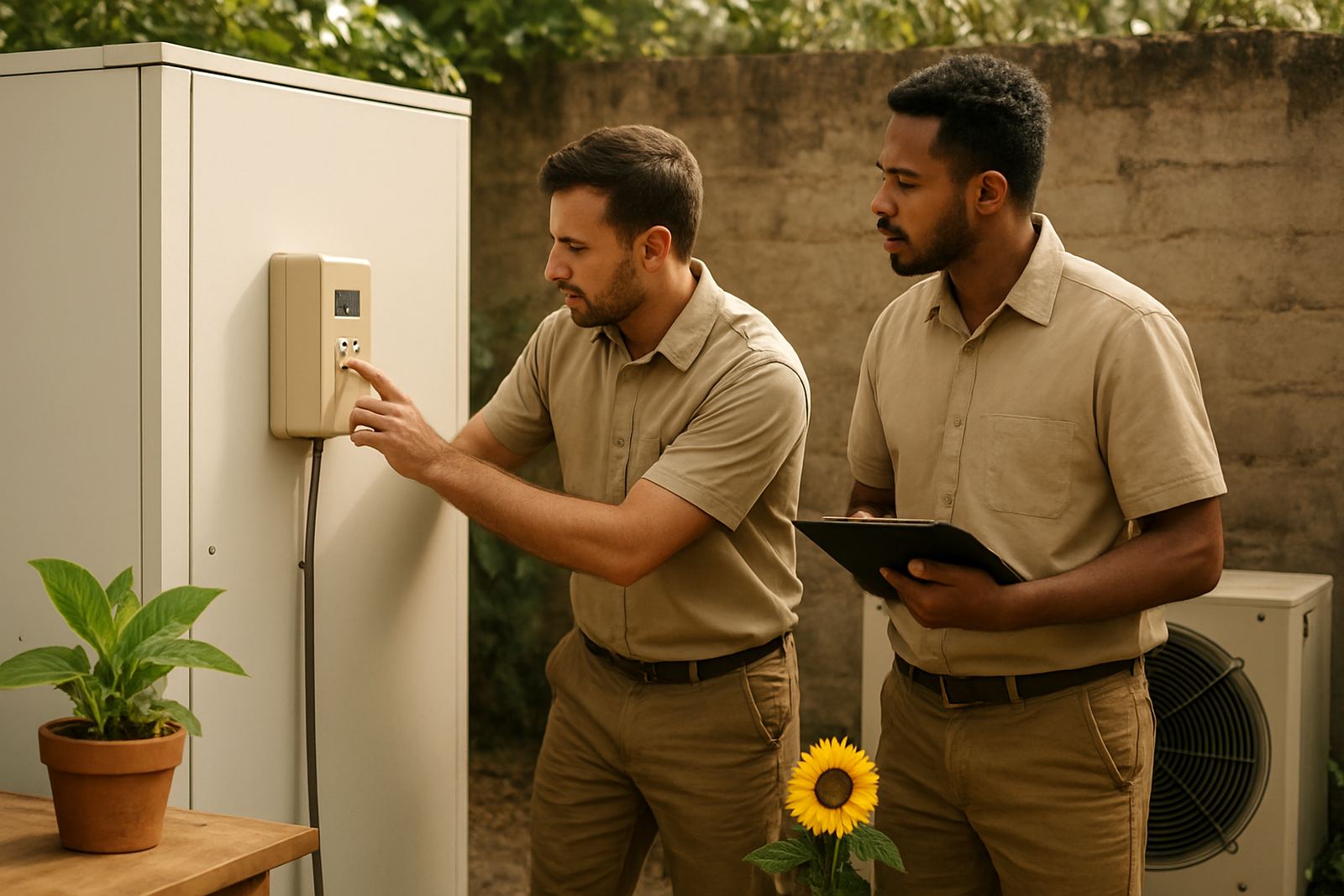
We support the whole chain from the sensor in the room to the alarm message on your phone or control panel. That includes checking probes, displays, controllers, data loggers, remote alarms and the basic wiring that keeps readings stable. On many sites the problem is not the cold room itself but a bad probe reading near a door, or a logger that was never set for the right intervals.
- Temperature logger installation and setup
- Alarm limit checks and reset support
- Probe positioning and calibration checks
- Review of historical temperature trends
- Integration checks with control panels and monitoring devices
We also look at whether the system is recording often enough. A room can swing out of range between 30 minute readings and nobody sees it until the stock is already affected. If needed we recommend tighter intervals, additional sensors or clearer alarm routing.
Step one: check the reading against the actual room
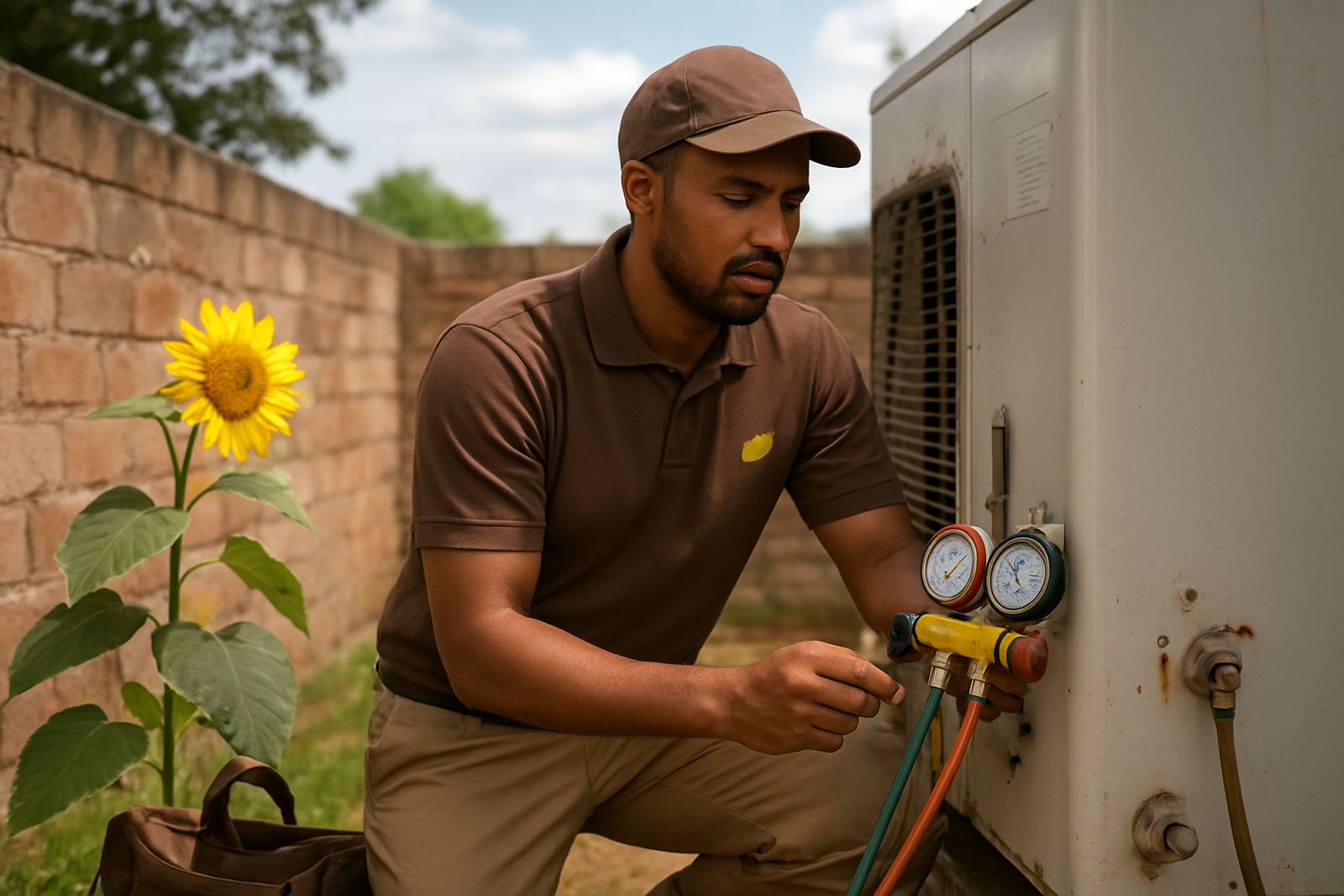
Before replacing parts, we compare the displayed temperature with a trusted reference reading in the same area. If there is a big difference, we look at probe drift, damaged cabling, loose terminals or a sensor sitting too close to an evaporator coil. We also check whether the door seals, strip curtains and fan cycle are affecting one zone more than the rest.
In bigger rooms, one reading is often not enough. A loading bay side can sit warmer than the back wall by several degrees, especially during peak dispatch times. That is why we may suggest a second logger, or moving the existing sensor to a more useful position. It gives you a truer picture and helps avoid false alarms.
Step two: trace the alarm pattern
Repeated alarms are usually a sign of a deeper issue. We review when the alarms happen, how long they last and what the room load was at the time. A short spike after a door opening is different from a slow rise that lasts through the night. One points to operation, the other to plant performance.
- Power interruptions and load shedding
- Blocked coils or dirty filters
- Faulty door heaters or seals
- Low refrigerant charge from a leak
- Control settings that are too tight for the site
If the alarm history shows a pattern after a power cut, we can advise on restart delays, battery backup for loggers, and when the site should move product to a safer room. Clear records save time when management needs an explanation or when a municipality or client asks for proof.
Step three: clean up the data before it costs you stock
Bad logs are almost as risky as no logs. Missing gaps, duplicate entries and unexplained spikes make it hard to tell whether the cold room really failed. We help clean up the data trail so your records are readable and useful. That may mean setting the logger clock correctly, replacing failing batteries, or separating one faulty sensor from the main record.
For sites with manual sheets, we can show the team what to record and when to record it. Keep the same format every day, note any product movement, note outages and note any maintenance done on the room. A neat paper trail helps during audits and cuts down on arguments later. It also makes life easier when more than one person is checking the system.
How we support sites across the Eastern Cape
Nvirocool was founded in 2011 and is based in Newton Park, Gqeberha. We support branches and storage sites across the Eastern Cape, including coastal and inland locations where temperatures, humidity and power stability are not the same. A room in Jeffreys Bay may face moisture and door traffic, while one in Graaff-Reinet may deal with bigger daily swings. The settings should not be treated the same.
Our team includes Siyabonga Mthembu for refrigeration repairs, Ruan Smit on retrofit projects, Nokulunga Dlamini for energy audits, and Ayabulela Ndlovu who keeps service calls moving. Leanne Petersen handles accounts, Yolanda Jacobs supports client care, and Anele Mbeki-Jacobs leads the business. When a logging issue is linked to cooling performance, we can check the system properly instead of guessing.
What to send us before a site visit
If you need support, send us the details below so we can prepare and come with the right parts and instruments. The more accurate the information, the faster we can narrow it down.
- Site address and contact person
- Room type and normal temperature range
- Alarm type and how often it triggers
- Any recent power cuts, maintenance or repairs
- Photos of the display, probe position and control panel
Email hello@nvirocool.co.za and include the branch, for example Gqeberha, Uitenhage, Despatch, Jeffreys Bay, Port Alfred or Graaff-Reinet. If the issue is urgent and product is at risk, say so clearly so we can respond in the right order.