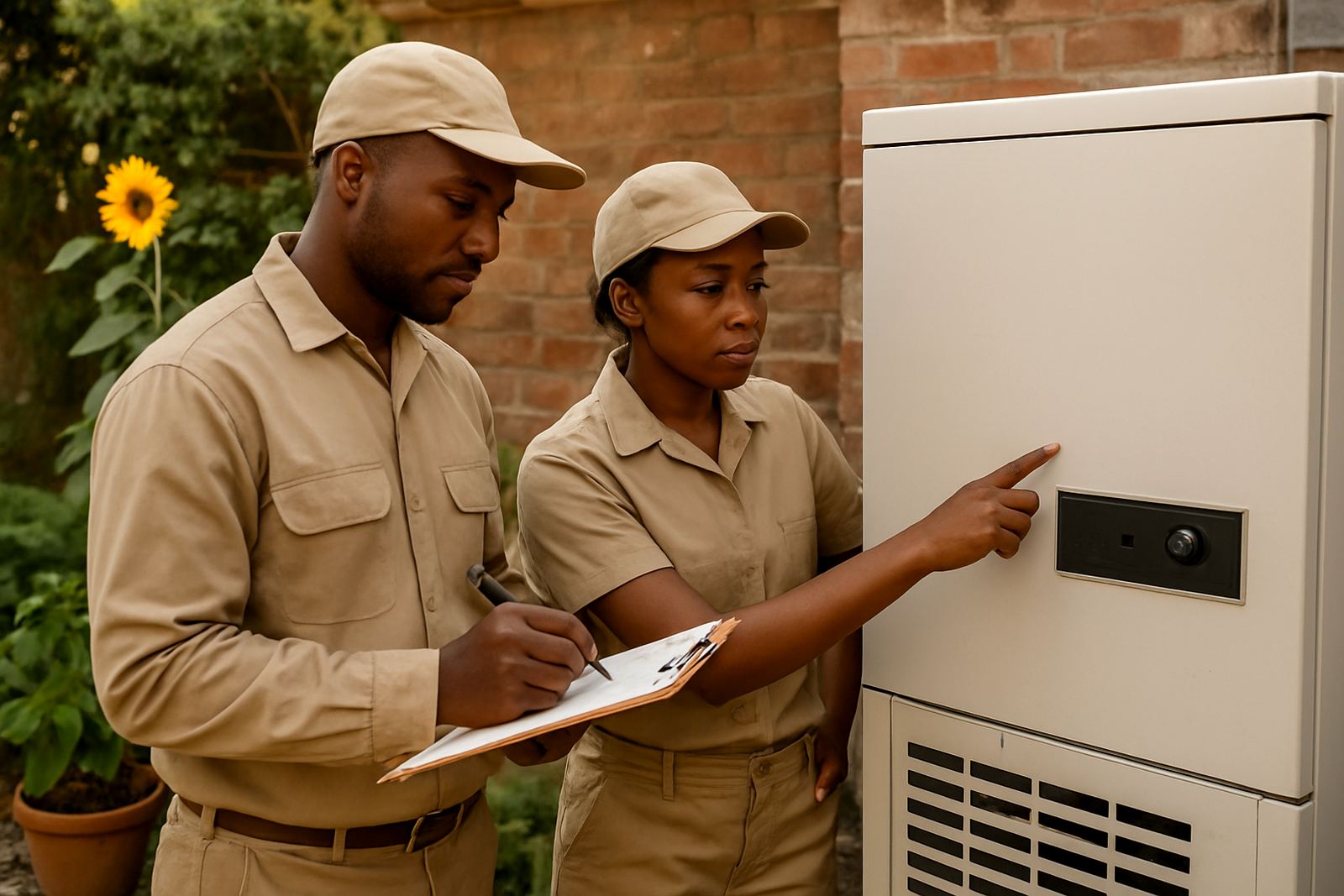
What a service plan covers
A service plan is a practical way to keep refrigeration and cooling plant working the way it should. For most sites, that means planned maintenance visits, filter and coil cleaning, basic electrical checks, temperature checks, leak spotting and a look at controls, fans and drain points. If your plant runs through the night, during load shedding or in humid coastal air, it needs regular attention or things start slipping.
We set the visit frequency around your operation. A small cold room may only need a monthly or bi-monthly check, while a chiller plant serving a busy processing area may need closer attention. We also factor in site access, after-hours needs and whether your equipment is older and due for more frequent oversight.
How to get started with a plan
The first step is a quick site review. We ask what you store, what hours you run, the size of the plant and any trouble spots you already know about. If you are in Gqeberha, Uitenhage, Despatch, Jeffreys Bay, Graaff-Reinet or Port Alfred, we can usually arrange an inspection without delay.
From there, we put together a plan that suits the site and the budget. You do not need a long document full of guesswork, just clear dates, clear tasks and clear expectations. If you have multiple rooms or chillers on one site, we can split the plan by area so nothing gets missed.
- Site inspection and equipment list
- Risk check for temperature-sensitive stock
- Maintenance schedule by month or quarter
- Call-out terms for emergency breakdowns
- Reporting for your records and compliance file
Why routine maintenance saves money
Most expensive failures start small. A blocked coil, weak contactor, dirty condenser or low gas charge can push running costs up long before a system stops completely. Regular service work helps keep amps down, improves pull-down times and reduces the chance of spoilage or product loss.
It also helps with energy use. In many Eastern Cape sites, older plant works harder than it should because controls are out of date or parts have never been checked properly. A service plan gives us a chance to spot those issues early and recommend the right fix, whether that is a control upgrade, coil cleaning or a low-GWP conversion on an older unit.
Planned visits versus emergency breakdowns
A good service plan does not replace emergency support, but it does lower the odds of a call-out at the worst time. When a cold room is packed on a Friday afternoon or a chiller trips during a heatwave, delays cost money. Planned visits help us catch worn parts before they fail.
For sites that run critical stock, we recommend pairing maintenance with a clear breakdown procedure. That way your team knows who to call, what to switch off, and what information to have ready. A simple note like the unit number, room temperature and fault light can save precious time.
- Keep a log of temperatures and alarms
- Report unusual noise, icing or water leaks early
- Do not keep resetting a tripping unit without checking the cause
- Make sure access panels are not blocked
What we check on site
Each visit depends on the plant, but our checks usually cover the full picture rather than one isolated fault. That includes cleaning, performance checks and a look at the controls that keep the system stable. If we find a problem, we explain it in plain language and tell you whether it is urgent or can be planned in.
Typical service items include:
- Evaporator and condenser coil cleaning
- Fan motors, belts and electrical connections
- Thermostats, sensors and control settings
- Gas charge, pressure readings and leak detection
- Drain lines, insulation and door seals
- Temperature monitoring and record checks
Where needed, we can also look at low-GWP gas conversions and energy-saving retrofits for aging chillers and related plant.
How service plans support compliance and stock control
For food storage, pharmaceuticals and other temperature-sensitive goods, records matter. A service plan helps you keep a paper trail of visits, fault reports and repair work. That can support internal audits, customer checks and municipal or safety requirements where applicable. It also gives management a clearer picture of recurring issues, rather than guessing why the same room keeps warming up.
In coastal areas like Gqeberha and Jeffreys Bay, humidity can shorten the life of components if plant is left dirty or water is not draining correctly. In drier inland areas such as Graaff-Reinet, dust build-up and power fluctuations often cause their own problems. We shape the plan around those local conditions so the maintenance is useful, not just routine for the sake of it.
Who looks after your account
Nvirocool was founded in 2011 and operates from Newton Park in Gqeberha. Our team includes Ayabulela Ndlovu in service coordination, Leanne Petersen in accounts, Siyabonga Mthembu on senior refrigeration work, Ruan Smit on retrofit projects, Nokulunga Dlamini on energy audits and Yolanda Jacobs in client care. Under the direction of Anele Mbeki-Jacobs, we keep the process steady from first call to final report.
If you already know your plant needs more regular attention, or if you just want a proper maintenance schedule in place before the next busy season, send through the site details and we will talk you through the options.
Email hello@nvirocool.co.za for service plan enquiries and scheduled maintenance options.