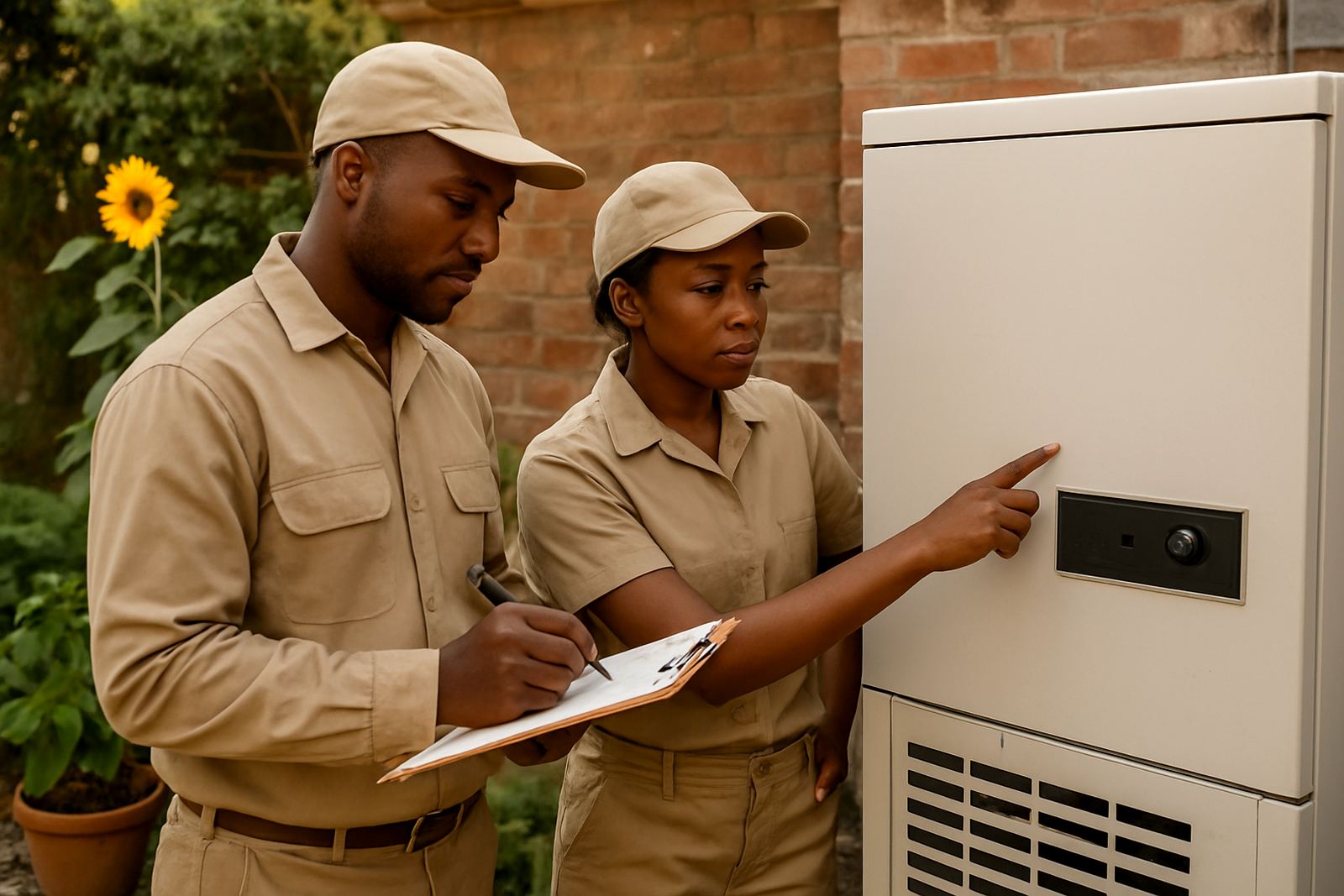
What an energy review checks on site
An energy review is a structured look at how your refrigeration and cooling equipment uses electricity during a normal working week. We check running hours, temperatures, defrost settings, door habits, fan performance, condenser condition, control settings and signs of short cycling or overcooling.
In many sites, the issue is not one big fault. It is a mix of small losses that add up, such as dirty coils, poor set-points, worn door seals, incorrect pressure settings or a controller that has not been matched to the actual load. For coastal sites in Gqeberha or Jeffreys Bay, salt and humidity can make these losses worse than expected.
The review is practical. We look at what can be measured, what can be fixed quickly, and what should be planned as a capital item later on.
How we carry out the review step by step
We begin with a short site discussion so we understand your operating times, product turnover and any problem periods such as peak summer, load-shedding recovery or late deliveries. After that, we inspect the plant and record the main energy drivers.
- Check temperature set-points, alarm history and control logic
- Inspect evaporators, condensers, fans and defrost operation
- Look for gas leaks, excessive run times and pressure issues
- Assess insulation, door closures and air leakage around panels
- Review maintenance records and recent repairs
- Compare actual operation against the site’s cooling demand
Where needed, we use temperature monitoring and spot readings to confirm whether the system is holding stable conditions or working harder than it should. That gives you a proper basis for decisions, not guesswork.
Common power saving opportunities we find
Most energy savings come from basic corrections done in the right order. A blocked coil may be causing high head pressure, while a faulty door closer may be letting warm air in every few minutes. In older systems we often find controls that are too conservative, so the plant runs longer than necessary just to keep up.
Typical opportunities include low-GWP gas conversions where suitable, control upgrades, coil cleaning, better staging of compressors, and tighter temperature monitoring. We also check whether the chiller or cold room is being used outside its design range, because that can push power use up without improving performance.
- Reduce unnecessary compressor run time
- Improve airflow over coils and across stored product
- Stop repeated temperature swings caused by poor controls
- Cut losses from doors left open, damaged seals or poor loading practices
- Keep equipment operating within a realistic, maintainable range
For businesses in Despatch, Uitenhage and Port Alfred, this often means less strain on equipment during hot spells and fewer call-outs after hours. Small changes can make a real difference, especially when tariffs keep moving upward.
Why load-shedding and coastal conditions matter
Eastern Cape conditions can be tough on refrigeration. Load-shedding causes stop-start operation, which can upset pressures and make equipment draw more power when it restarts. Coastal humidity adds another layer, because moisture can affect doors, seals, electrical components and coil condition.
We take that into account during the review. A system that looks acceptable on a cool morning in Newton Park may behave very differently after two or three outages and a full afternoon of door traffic. We pay attention to restart patterns, recovery time and whether the plant is recovering cleanly or fighting to catch up.
This matters for food storage, medical items, retail stock and any process that depends on stable temperatures. If the system is working too hard, the cost shows up first on the electricity account, then in wear and tear.
What you receive after the review
After the visit, we prepare a clear summary of findings and practical next steps. We separate urgent issues from longer-term improvements so you can plan work in stages and budget properly. If a fault needs immediate attention, we can also assist with repairs, maintenance or a follow-up service visit.
- Site findings and key energy losses identified
- Priority actions with likely impact on electricity use
- Maintenance items that should be addressed soon
- Recommendations for monitoring and follow-up checks
- Notes for planned retrofits or control changes
Where a conversion or retrofit makes sense, we will explain the likely benefit, the downtime needed and any compliance points that may apply. The aim is simple: fewer surprises and better control over operating cost.
Who benefits most from an energy review
An energy review is useful for supermarkets, butcheries, food processors, warehousing sites, hospitality businesses and any operation with a cold room or chiller plant. It is also worthwhile before a lease renewal, a major equipment repair, or a summer season when the system will be under more pressure.
If your plant is older, if call-outs are becoming more frequent, or if the electricity bill keeps rising but the cooling result stays the same, the review can show where the money is going. We work from our Newton Park base and support sites across Gqeberha, Graaff-Reinet and the wider Eastern Cape.
To book an energy review, email hello@nvirocool.co.za. We will set a time, walk the site with you and give you clear practical feedback that you can use straight away.