Start with the plant history, not the gas alone
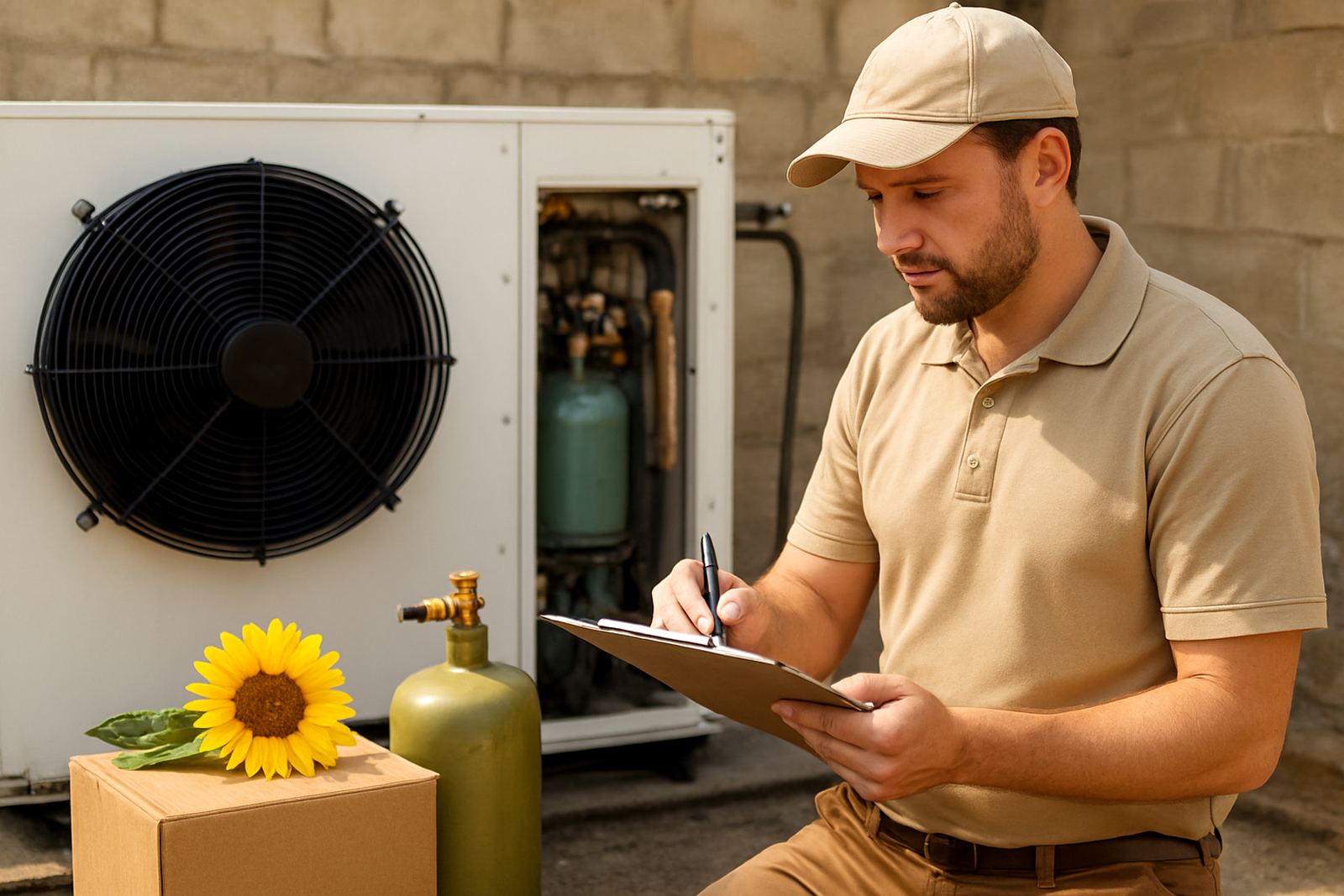
Before anyone talks about cylinders or replacement gas, the full service history needs to be checked. A conversion can work well on one unit and cause constant trouble on another if the compressor, seals, oil condition or controls are already tired. At Nvirocool, we look at age, duty cycle, previous repairs, leak patterns and whether the system has been holding temperature through summer peaks and load-shedding periods.
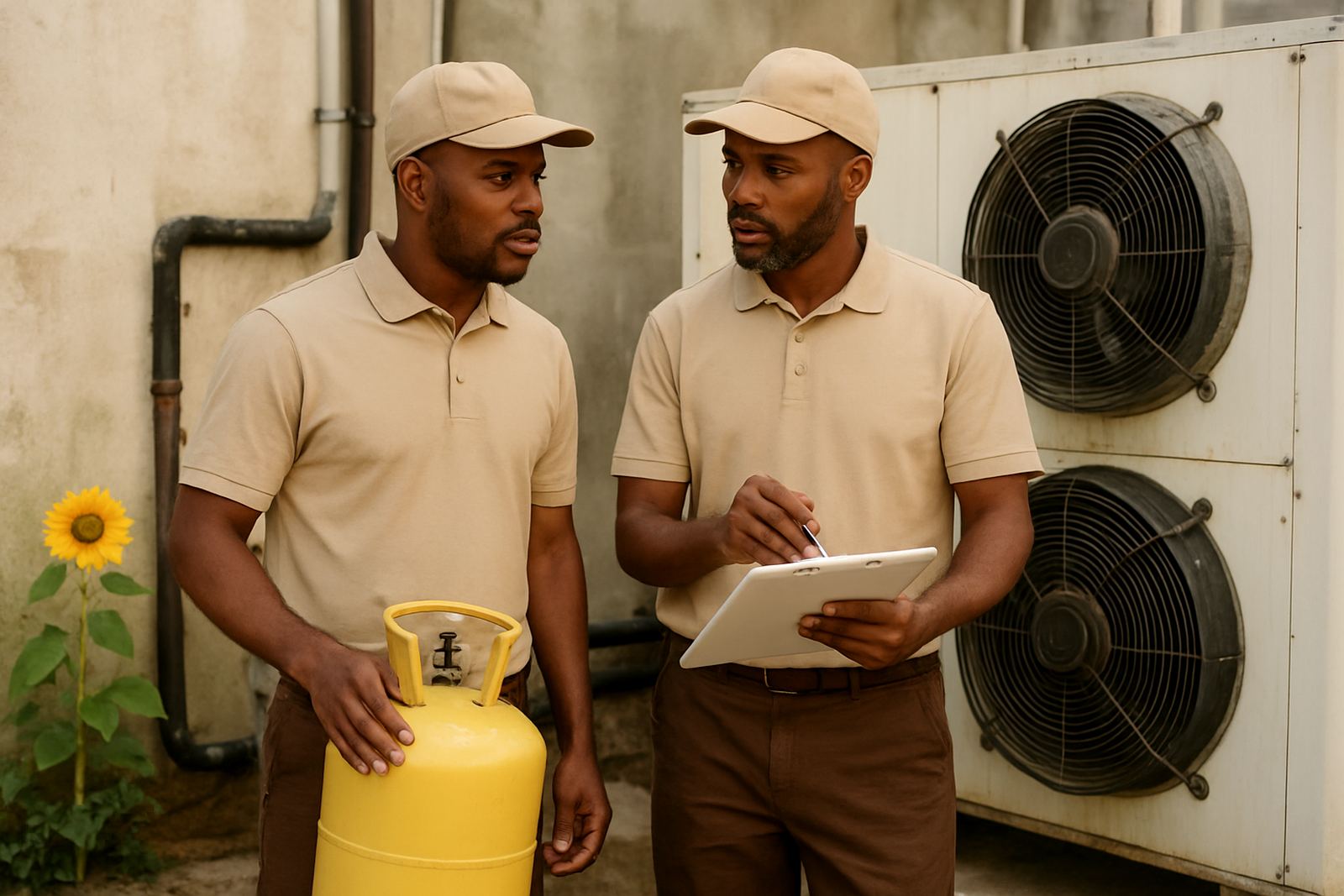
That first review also tells us whether the equipment still has enough life left to justify the work. For a small cold room in Despatch, the right answer may be a tidy conversion and a full service. For an older chiller in Port Alfred with repeated electrical faults, a conversion may be poor value if the core plant is near the end of its run. We give straight advice, not a sales pitch.
What makes a site suitable for low-GWP conversion
Site suitability is about more than the refrigerant itself. Pipe size, insulation, receiver capacity, expansion valve type, condenser condition and room load all affect the result. Coastal moisture in Gqeberha can also expose weak joints, while dusty inland sites near Graaff-Reinet can choke coils faster than expected. If the system has poor airflow or dirty heat transfer surfaces, conversion alone will not fix the underlying problem.
- Stable electrical supply and correct protection on the circuit
- Sound pipework with no recurring leak points
- Controls that can be adjusted or upgraded if needed
- Good condenser and evaporator condition, not heavily scaled or corroded
- A realistic operating temperature range for the product being stored
If those basics are in place, we can usually map out a sensible conversion path and avoid surprises after recommissioning.
How we check the system before any gas change
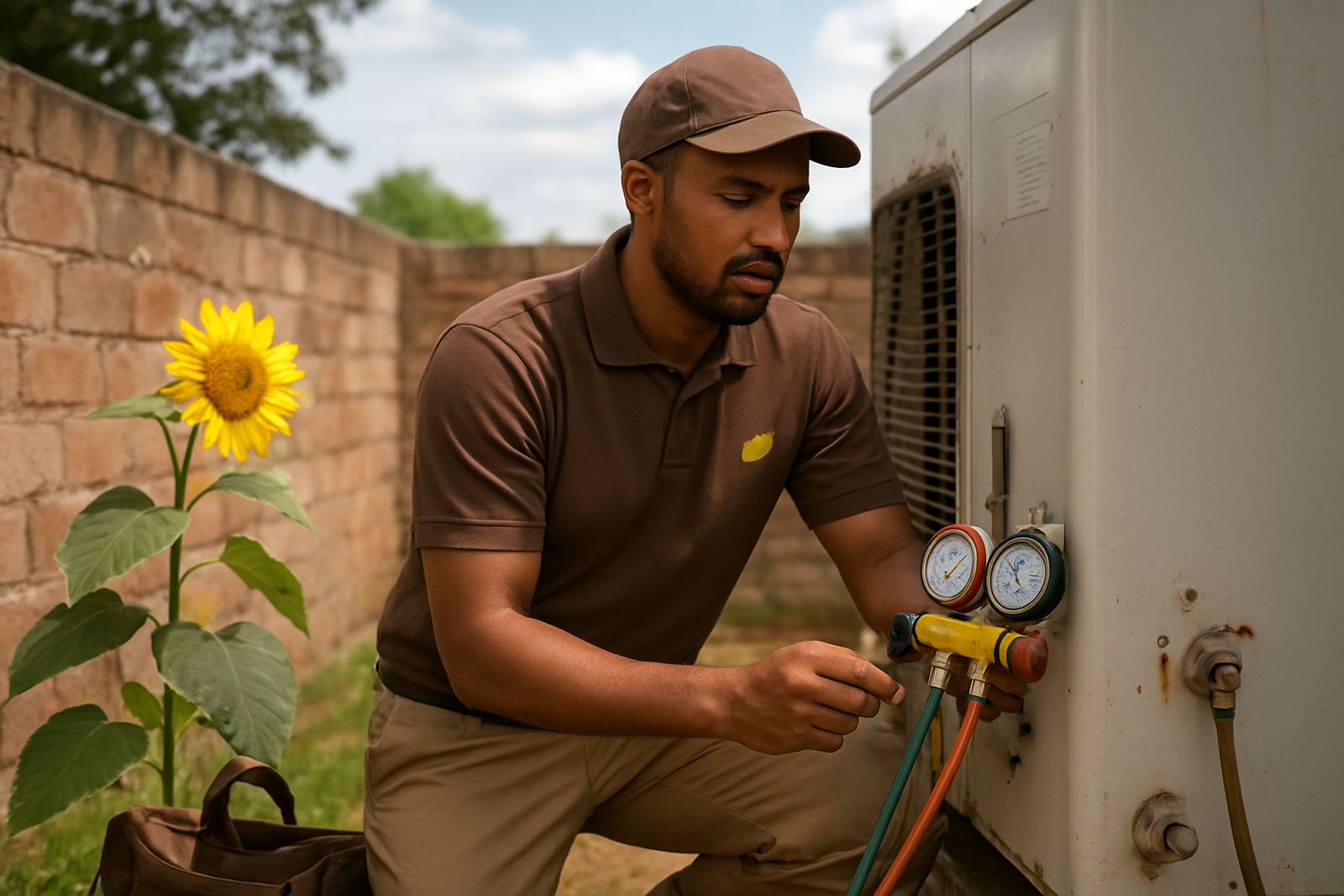
Our checks are practical and site-based. We inspect the plant room, take running readings, check pressures, temperatures, sight glass condition where fitted, and test for leaks on the main joints and service ports. We also look at the control settings and defrost schedule, because incorrect settings can mask a refrigeration issue for weeks before it shows up as product loss.
Where needed, we carry out an energy audit alongside the conversion advice. That helps us see whether the unit is spending too much time cycling, whether the condenser is rejecting heat properly, and whether a control upgrade could cut the power draw. In many cases, a conversion makes most sense when it forms part of a wider efficiency plan rather than a stand-alone gas swap.
What you should expect during a conversion project
A proper conversion is planned in stages so the cold chain is protected. We start with isolation, safe recovery of the existing gas, and verification of components that will stay in service. The system is then prepared for the new gas, which may include oil checks, seal replacement, filter changes, valve adjustments and control calibration. After that comes pressure testing, vacuum work, charging and commissioning.
We keep you informed about downtime, likely temperature drift and any product protection steps needed during the works. For chilled stock rooms, a short shutdown may be manageable. For commercial sites with stock turnover through the day, we often schedule after hours or over quieter trading periods so the job causes less disruption.
- Planned shutdown window agreed in advance
- Recovery and safe handling of the old refrigerant
- Component inspection and any required replacements
- Leak test, vacuum and charge with the new gas
- Final running checks and handover notes
When conversion is not the right answer
Some equipment should not be pushed through a conversion if the base machine is too worn. If the compressor has been failing, the evaporator is badly corroded, or the pipework has repeated leaks, the honest answer may be repair first or replacement later. We will say so clearly because forcing a conversion onto an unstable system can cost more than it saves.
We also look at compliance and site rules. In some municipal or industrial settings there may be access controls, permit requirements or safety procedures that affect when work can be done. If the site is in a shared building, retail centre or busy production area, the timing and isolation plan has to fit those conditions. A good conversion is one that can be maintained later, not just one that gets through the first week.
Aftercare: keep the gains after the retrofit
Once the conversion is complete, the real value comes from keeping the unit clean and stable. Dirty coils, poor door seals and overlooked alarms can wipe out the benefit of a better gas choice. We can build a maintenance plan that includes coil cleaning, leak detection, temperature monitoring and periodic control checks so the system keeps performing through summer heat and winter dips.
For businesses in Uitenhage, Jeffreys Bay and Port Alfred, the conditions can vary a lot between sites, so aftercare should be set to the actual operating environment. A weekly visual check may be enough for one room, while another site needs monthly readings and tighter alarm response. The point is to keep the system honest, not just ticking over.
How to book conversion advice with Nvirocool
If you are unsure whether your plant is suitable, send us the equipment details and the symptoms you are seeing. The more you can share, the quicker we can guide you on next steps. Useful details include the unit type, approximate age, fault history, room size, what product is being held, and whether the issue is power use, leaks, or temperature drift.
Our Newton Park base supports Gqeberha, Uitenhage, Despatch, Jeffreys Bay, Graaff-Reinet and Port Alfred. We work with planned maintenance, emergency breakdowns, cold room repairs, chiller servicing and retrofit projects, so conversion advice can be tied into the rest of your refrigeration support. If the unit needs a practical second opinion, we are set up for that.
Email hello@nvirocool.co.za and we will help you work out the next step, whether that is a conversion check, an energy review or a repair first. It is better to test the facts now than to guess under pressure later.