Back-of-house cooling that keeps stock safe
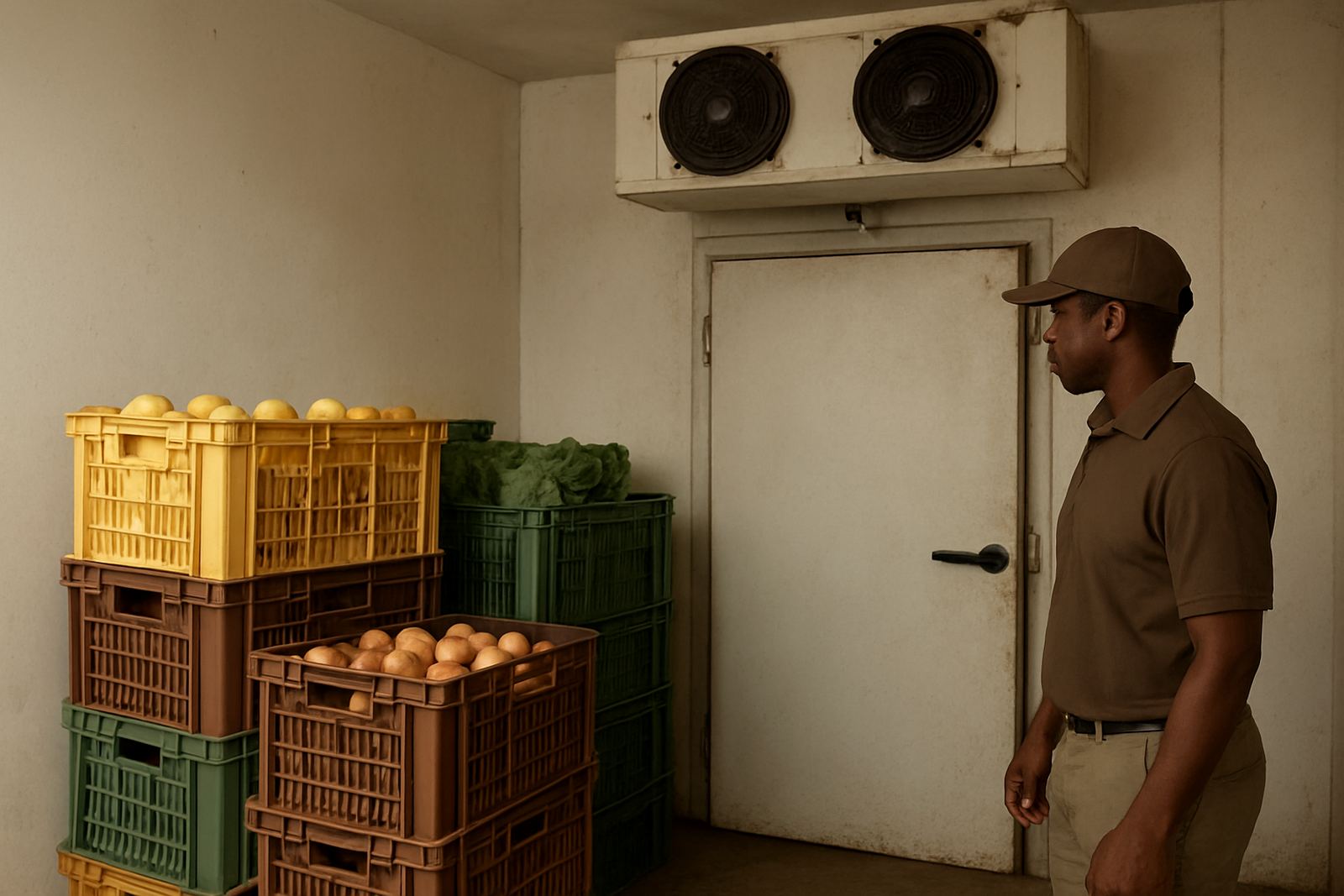
In a supermarket, the cold room is only part of the picture. Fresh produce, dairy, meat, frozen goods and prep areas all depend on steady temperatures, clean coils and controls that do not drift when the door opens every few minutes. If a back room is running warm, the whole store feels it in stock loss, complaints and wasted power.
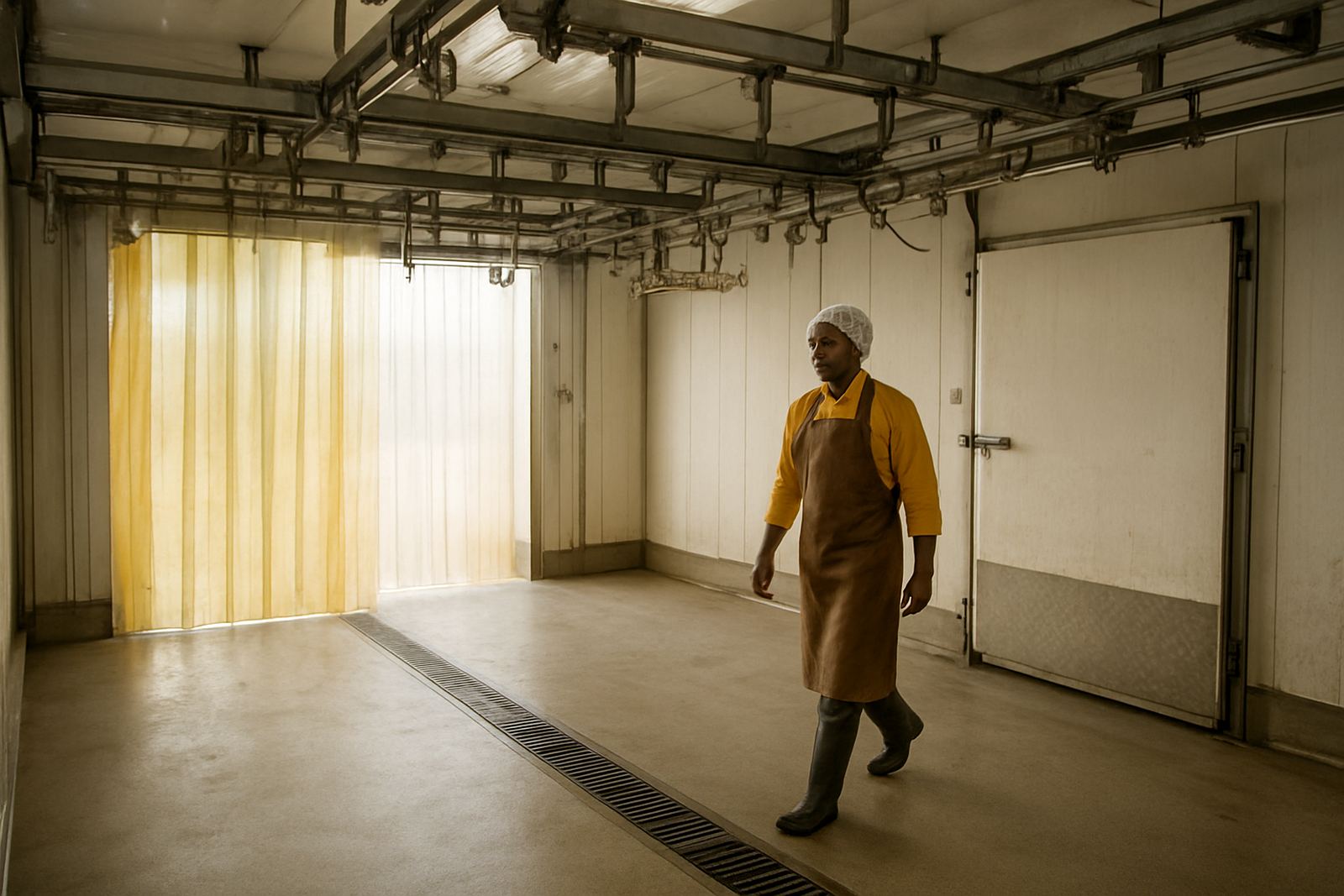
We work on supermarket cold rooms and packhouses in Gqeberha, Uitenhage, Despatch, Jeffreys Bay, Graaff-Reinet and Port Alfred, with planned maintenance that suits trading hours. That includes leak detection, gas checks, door seal inspections, evaporator cleaning and control checks. In coastal areas, salty air and moisture can work through fittings faster than people expect, so we look at corrosion, drainage and fan performance as part of the visit.
If there has been a breakdown, we can isolate the fault quickly and get the room back into service with the least possible disruption. For stores with backup generators, we also check restart settings and temperature recovery so the system does not trip itself into another problem after the power comes back.
Display refrigeration that stays steady on the shop floor
Display cabinets do more than keep products cold. They shape how much stock can be presented, how much energy the store uses and how often staff have to remove spoiled goods. Open multidecks, serve-over counters, upright glass-door fridges and freezer islands all need different servicing, and one bad setting can push temperatures outside range without anyone noticing until the end of the day.
Our team checks airflow, defrost cycles, fan motors, sensors, controller settings and condenser cleanliness. We also look at lighting inside display units, door gaskets on upright cabinets and how units are spaced on the floor. A cabinet pushed too close to a wall or another heat source can run harder all day, which means higher bills and shorter equipment life.
Where a store is upgrading old R404A or similar systems, we can plan low-GWP conversions and phased replacement around trading pressure. It is usually better to schedule the work by section, not shut the whole floor at once. That keeps customer service going and gives managers time to move stock in a controlled way.
- Glass-door fridges for dairy and drinks
- Open display cabinets for deli and fresh produce
- Chest and island freezers for frozen goods
- Merchandising and airflow checks around each unit
Layout planning before you add another cabinet
Many supermarket cooling problems start with layout, not the equipment itself. A store may add an extra freezer, shift a chiller against a sunny wall, or block the air path with stock trolleys and crates. After that, the system works harder, product temperatures become uneven and the compressor runs longer than it should.
We help stores plan around heat load, traffic flow and service access. There needs to be space to clean coils, open doors fully and service pipework without moving half the stockroom. In smaller Eastern Cape branches, the challenge is often tight back-of-house space, so we will recommend practical changes like better louvre placement, re-routing hot air discharge, or relocating a remote condenser away from dust and salt spray.
For stores preparing a fit-out or refit, we can advise on temperature zones, equipment sizing and where to place monitoring points. That matters for audits, especially where management wants proof that chilled and frozen goods stayed within range through a long weekend or load shedding event.
Energy-saving upgrades that pay their way
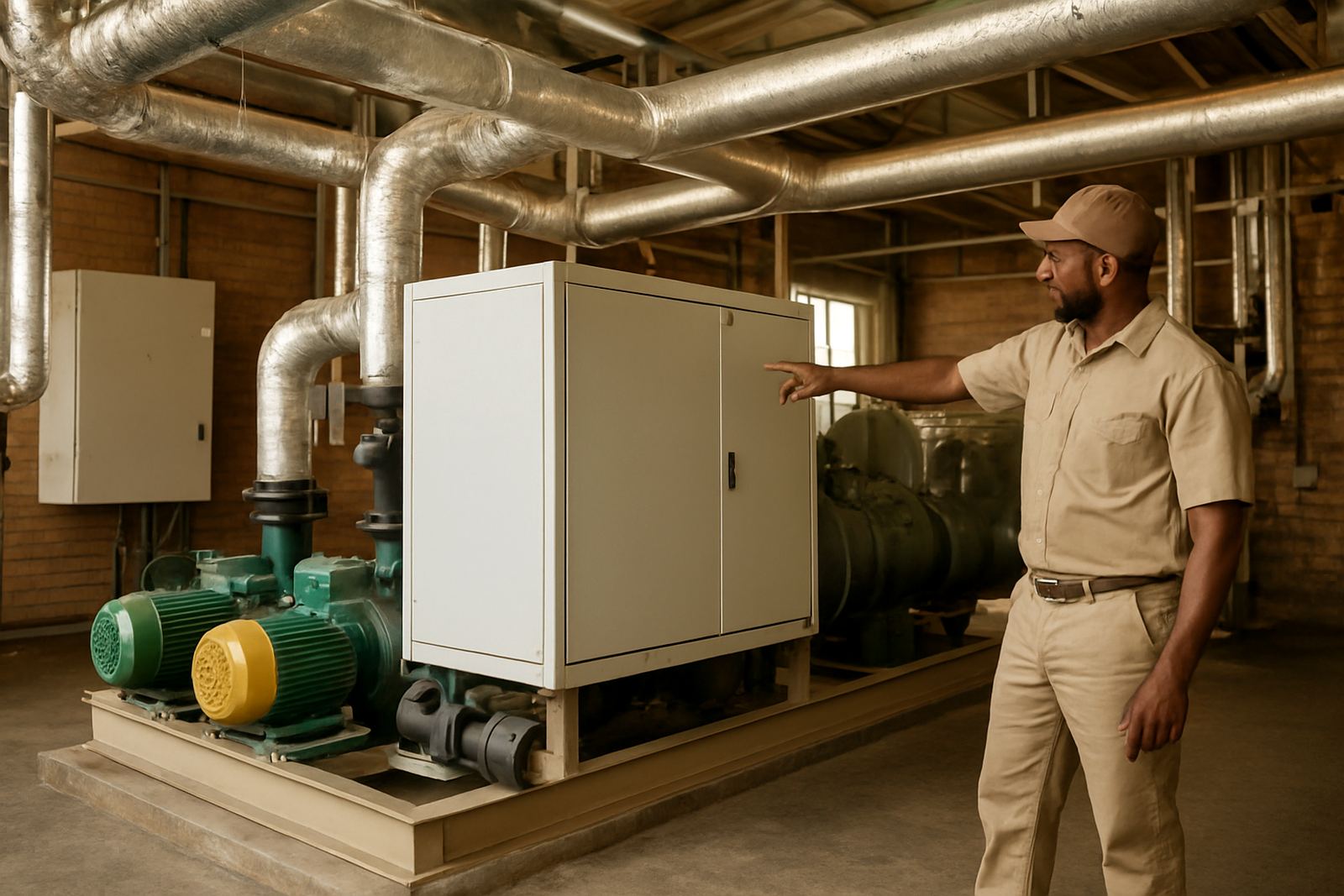
Supermarkets are heavy power users, so even small improvements can add up quickly. A cleaner coil, better controller, tighter door seals or a more efficient fan setup can lower running costs month after month. We also carry out energy audits to show where the store is losing power, whether that is through poor insulation, old motors, excessive defrosting or a system running against the wrong setpoint.
Typical upgrade work includes control changes, sensor replacement, low-GWP conversions, leak repairs and chiller retrofit planning. For stores with older systems, we often find that the biggest savings come from fixing the basics first. A unit that is undercharged, dirty or cycling badly can use a lot more electricity than managers realise.
For budget planning, smaller corrective work such as coil cleaning, gas checks and sensor replacement may sit in the R2 500 to R12 000 range per visit, depending on the number of units. Planned maintenance contracts for a medium supermarket generally start from around R4 500 per month, while low-GWP conversion or major retrofit work can range from R35 000 into the low hundreds of thousands, depending on plant size, pipework changes and equipment condition. We quote after inspection so the store can see what is urgent and what can wait.
- Energy audits for stores with high Eskom costs or load shedding strain
- Low-GWP gas conversions for ageing systems
- Chiller retrofits for better control and lower running costs
- Temperature monitoring for reporting and stock control
Common mistakes we see in supermarket refrigeration
The biggest mistake is waiting for visible failure. By the time a cabinet is frosting up, a cold room alarm is sounding or product starts softening, the system has often been struggling for weeks. The second mistake is treating all refrigeration the same. A display cabinet, a cold room and a chiller plant each need different service intervals and different checks.
We also see stores skip routine coil cleaning because the unit still seems cold. Dirt does not always show up as a breakdown, but it does show up on the electricity bill and in shorter compressor life. Another problem is poor record keeping. If staff are not logging temperature readings, leak history and call-outs, it becomes much harder to spot a pattern before stock is affected.
For supermarkets in coastal areas, corrosion around terminals, brackets and condenser frames should be checked regularly. In inland areas like Graaff-Reinet, dust build-up and high summer temperatures are more of a concern. The fix is not the same for every branch, and that is why local site knowledge matters.
What a sensible service plan looks like
A supermarket does best with a regular plan rather than random call-outs. That usually means monthly or quarterly checks on the main cooling plant, plus more frequent attention where the store has high door opening, older cabinets or a history of faults. We can schedule work before trading starts or after hours, depending on the site and the type of repair.
Our team in Newton Park supports stores across Gqeberha and the Eastern Cape with planned maintenance, emergency breakdowns, cold room repairs, chiller servicing, leak detection, coil cleaning, control upgrades and temperature monitoring. The right plan should reduce spoilage, lower power use and keep managers informed without creating extra admin.
If you are opening a new store, refitting an old one or trying to cut refrigeration costs before summer, we can help you work through the priorities. Start with the equipment that protects your highest-value stock, then move to the systems that are costing the most electricity. That order usually makes the numbers easier to justify.