Keeping Seafood Cold From Landing To Load-out
Seafood moves fast. When fish, prawns or calamari arrive, there is little room for a warm bay, a slow chiller or a freezer door that is not sealing properly. In Gqeberha, Uitenhage, Despatch and the coast, we see sites that need reliable receiving temperatures, clean ice output and holding rooms that stay consistent through hot afternoons and power dips.
For seafood handlers, the cold chain usually starts at the receiving dock and runs through sorting tables, ice bins, chill rooms, prep areas and dispatch. If one point slips, the whole product line feels it. We work with operators who need practical upkeep, not just a once-off callout when something has already failed.
- Receiving areas that cool down quickly after offloading
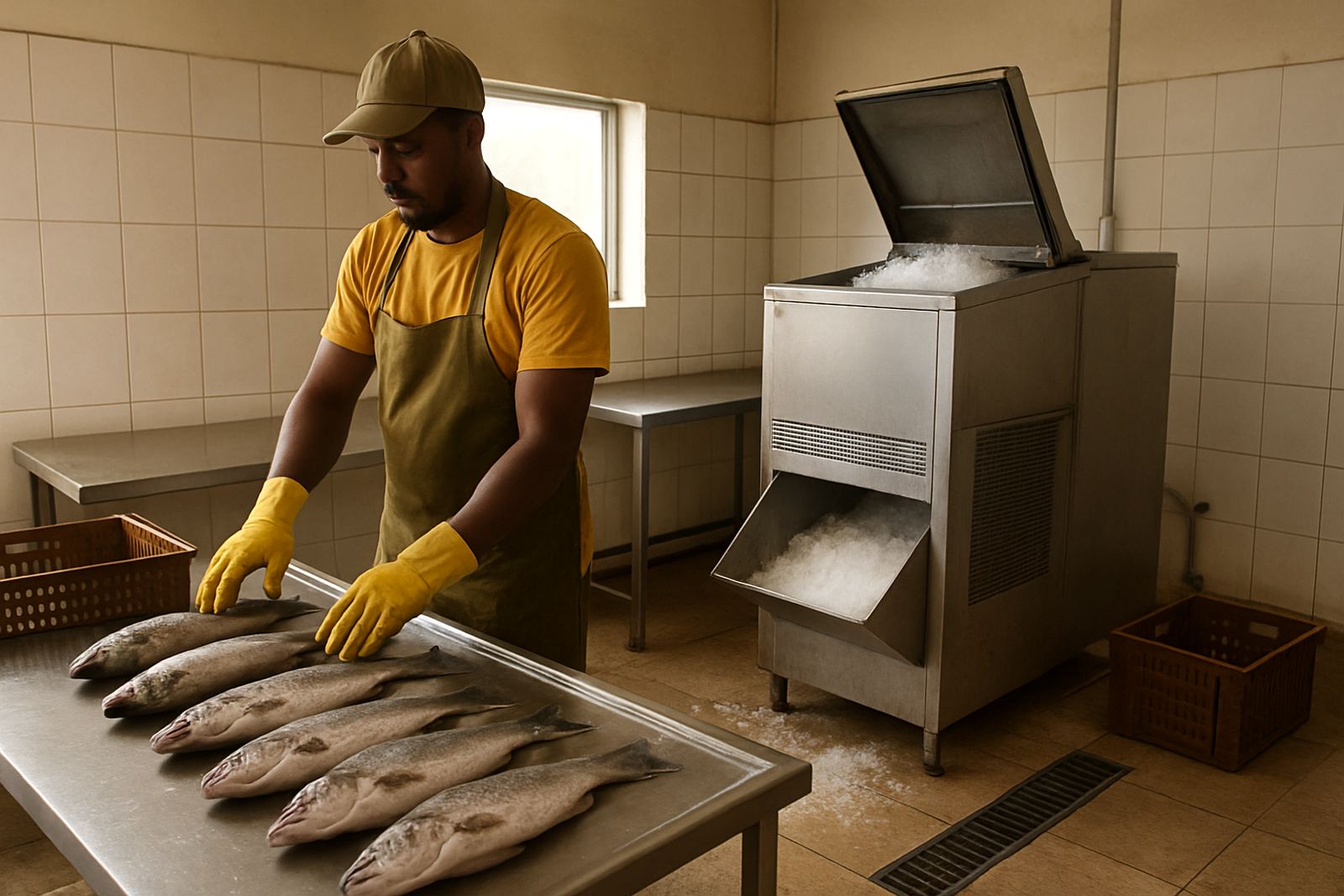
- Ice production that keeps up with daily intake
- Chilled storage zones for short holding and dispatch
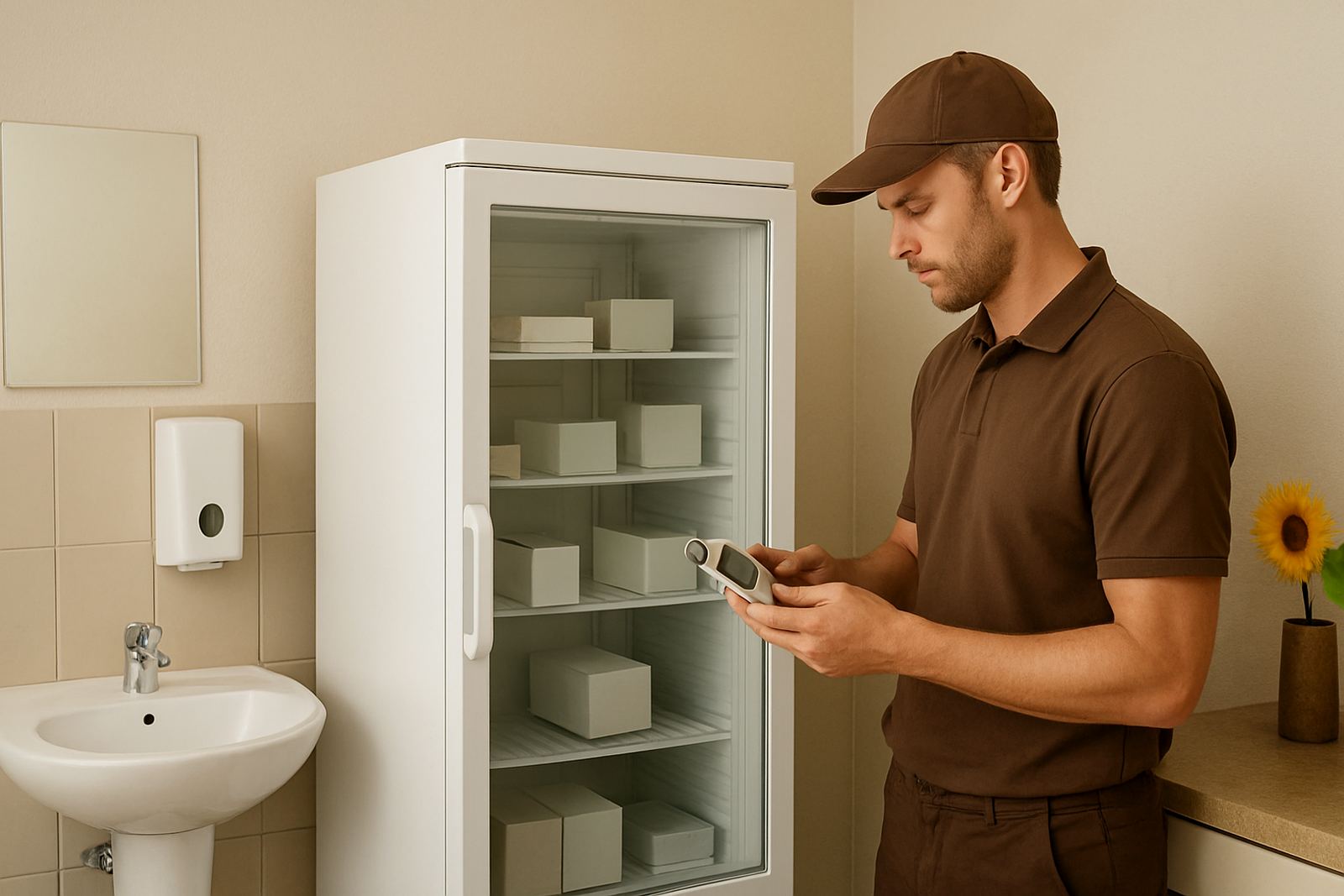
- Temperature logging that gives a clear record for audits
Typical Equipment In A Seafood Facility
A seafood site can have a mix of small and large refrigeration plant, depending on volume and how the building is set up. Some units are in the back of a retail operation, others serve a processing room near the harbour or an inland distribution point in Graaff-Reinet or Port Alfred. We look at the load, the ambient conditions and how often doors open during a shift.
Common equipment includes cold rooms, blast chillers, ice machines, condensing units, evaporators, controls and temperature probes. On older sites, the controls are often basic and the gas charge has been topped up more than once. That can hide a leak and push power use up month after month. A proper service checks the full system, not only the part that stopped running.
- Cold rooms for fresh product and short-term storage
- Ice makers and ice bins for packing and display
- Chiller plant for chilled water or process cooling
- Control panels, sensors and door heaters where fitted
Layout Advice For Receiving, Ice And Storage Zones
Good layout makes a big difference. Seafood facilities should keep warm receiving, washdown, ice production and chilled holding in the right order so product is not moved back and forth across the same door. If the layout forces long walking routes or constant door openings, the plant works harder and the room loses temperature more often.
We usually advise on practical matters first: where the dock is, how pallets move, where hoses drain, and how much clearance the plant has for airflow and maintenance. On coastal sites, salt moisture and windblown grit build up quickly, so equipment needs space for cleaning and regular inspection. If the unit is boxed in too tightly, service work takes longer and small faults can turn into bigger ones.
- Separate receiving from clean storage where possible
- Keep doors, strips and seals in good condition
- Allow safe access to condensers and fan sections
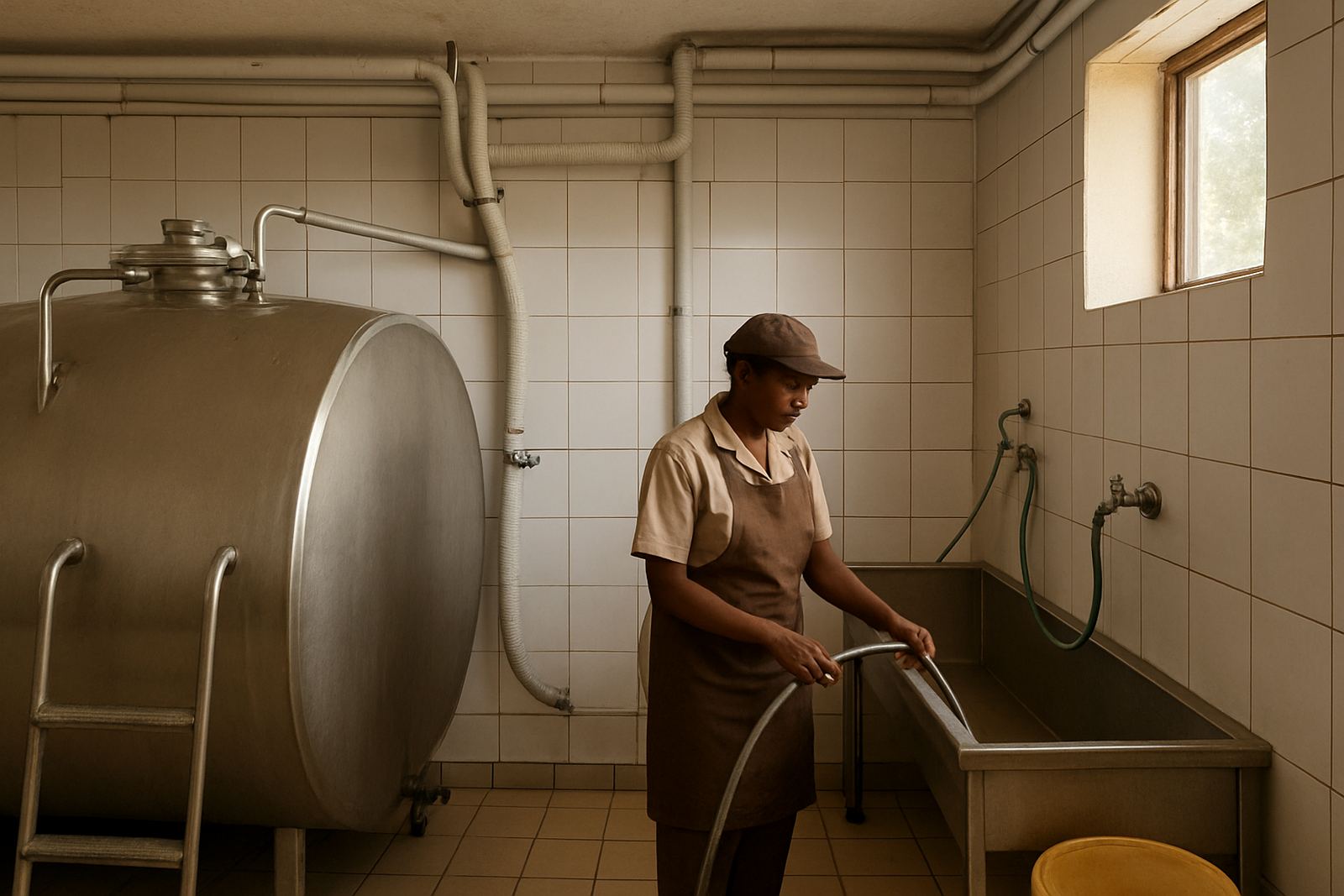
- Plan drainage for meltwater and washdown water
Where Seafood Operators Lose Money
The biggest losses are often hidden. A room may still be cold enough but take far longer to recover after a door opening, which means compressors run harder and product stays in the danger zone longer. We also see ice machines running with scale on the coils, blocked filters, dirty condensers or poor water supply, all of which drag output down.
Common mistakes include ignoring small refrigerant leaks, skipping coil cleaning and waiting until a breakdown shuts the room. Another one is using the wrong gas or conversion approach on older equipment. If the change is not planned around the compressor, oil, controls and load profile, the plant may run but not run well. That is expensive over time.
- Paper logs that are not checked against actual readings
- Faulty door closers and damaged gaskets
- Condensers choked with dust, salt and fluff
- Thermostats and probes that drift out of range
Service And Retrofit Work We Do
Nvirocool handles planned maintenance, emergency breakdowns and retrofit work for seafood handlers across Gqeberha and the Eastern Cape. For many sites, the right mix is a maintenance schedule, a few controls upgrades and a staged plan for lower-GWP conversions on older plant. That keeps the system legal, easier to maintain and more efficient in use.
Our team can assist with leak detection, coil cleaning, chiller servicing, control upgrades and temperature monitoring. Where a plant is suitable, we can assess a low-GWP conversion and advise on the parts that need attention before the changeover. This may include valves, oil compatibility, expansion device settings and the actual cooling load. Siyabonga Mthembu leads technical fault-finding, while Ruan Smit manages retrofit planning and changeover work.
Budget Ranges For Seafood Cold Chain Work
Budgets depend on room size, access, existing condition and how much production can stop while work is done. A small maintenance visit for a single cold room is very different to a full site with receiving, ice and dispatch areas. For seafood operators, it helps to plan yearly spend rather than waiting for an emergency every few months.
As a broad guide, basic service callouts may start from around R950 to R2 500, depending on travel and fault type. Planned maintenance packages for small to medium facilities often sit between R3 500 and R15 000 per visit cycle. Leak detection, controls repairs or coil cleaning can fall between R1 500 and R12 000. Low-GWP conversions and chiller retrofits vary much more, but many projects sit in the R25 000 to R180 000 range, with larger plant moving above that. We quote after site inspection so the numbers match the real load and the real condition of the system.
Leanne Petersen handles accounts and service admin, so you get clear pricing and a proper paper trail. That matters when a seafood plant needs to track repair spend against operating costs, and not guess what happened three months ago.