What busy restaurants usually need from refrigeration
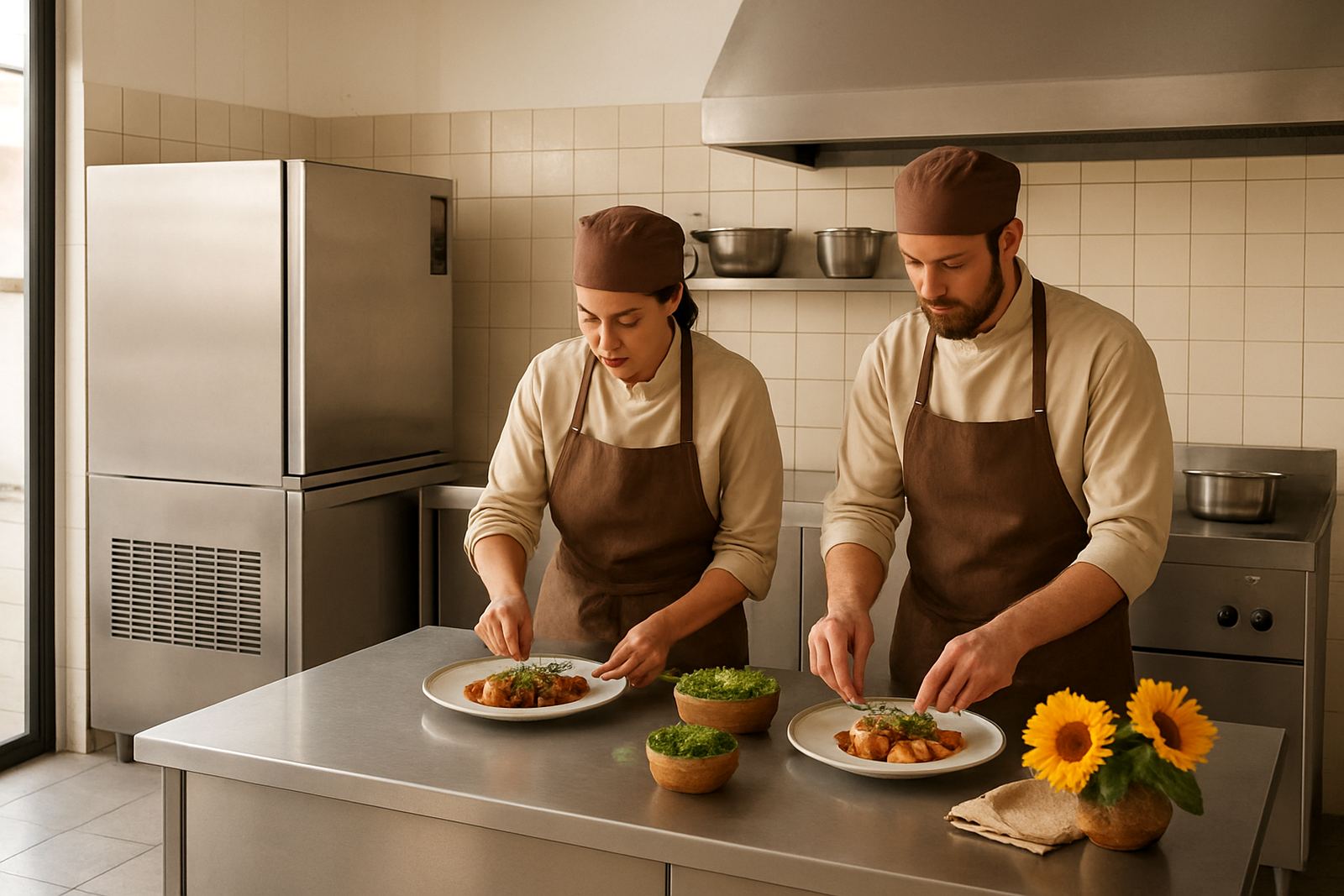
A restaurant kitchen normally runs on a mix of storage, prep and display equipment, and each unit has a different job. If one part slips, the whole pass slows down. We work on cold rooms for bulk stock, upright fridges for dairy and sauces, undercounter prep fridges, bottle coolers, ice machines, chillers and temperature monitoring on critical lines.
In Gqeberha and coastal towns like Port Alfred and Jeffreys Bay, humidity and salt air can shorten the life of condenser coils and fan motors. Inland, dust and heat around places like Graaff-Reinet can do the same. That means a restaurant in the Eastern Cape needs more than a quick gas top-up, it needs planned care that keeps temperatures steady even when load-shedding or long trading hours put extra strain on the system.
Layout advice for kitchens, bars and stores
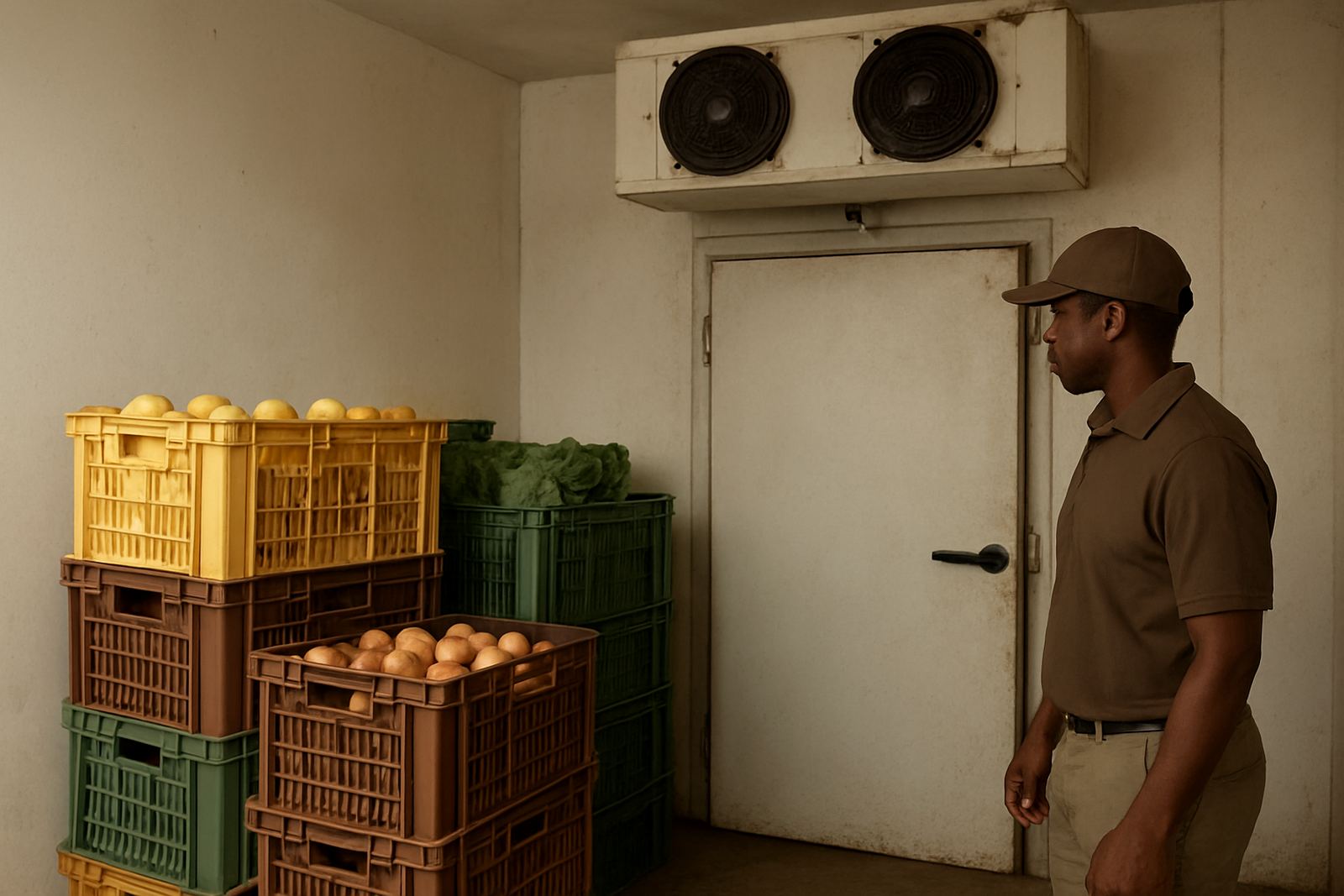
Good planning saves more money than emergency call-outs. We look at where doors open, where heat from ovens and fryers lands, and how often staff move stock from receiving to storage to prep. If a cold room is too far from the kitchen, doors stay open longer and temperatures climb. If a prep fridge sits next to a hot pass, compressors work harder and fail earlier.
- Keep condensers clear of flour, grease and cardboard dust.
- Allow space around units for air flow, especially in tight prep areas.
- Place temperature probes where staff can see them at a glance.
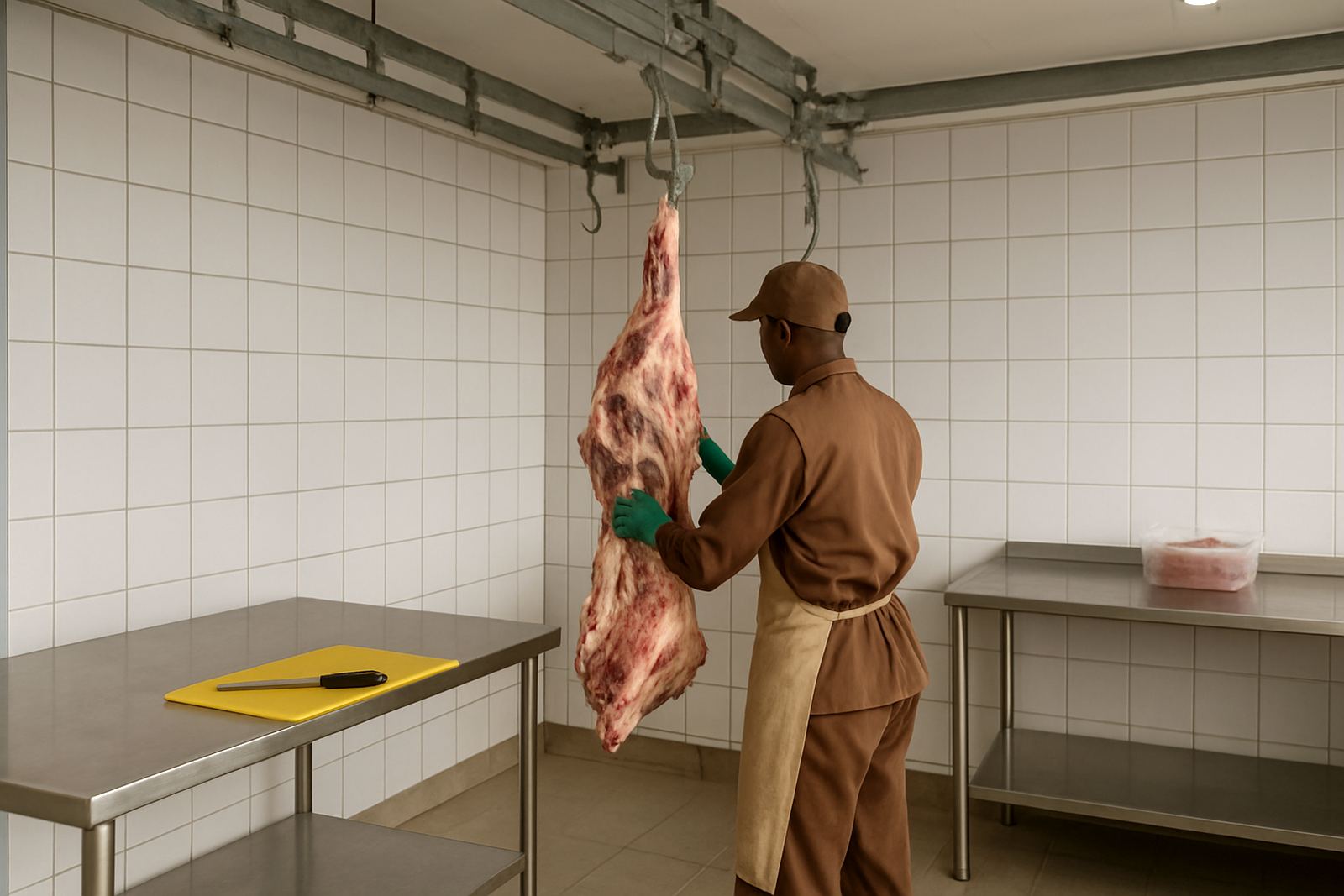
- Separate raw meat storage from ready-to-serve items.
- Plan for generator or inverter use during outages if stock value is high.
We often find that a small layout change cuts power use without touching the menu or service flow. That matters when your margins are thin and the kitchen is already under pressure.
Common faults we see in restaurant equipment
Most restaurant breakdowns start with wear that was easy to miss. A blocked coil, weak door seal, iced-up evaporator or faulty thermostat can push product temperatures out of range before the chef notices. By the time the unit is warm the food budget is already at risk.
Our service team handles emergency breakdowns and planned maintenance, with repairs matched to the equipment on site. Siyabonga Mthembu and the refrigeration team work on cold room repairs, chiller servicing, control upgrades and leak detection, while Ayabulela Ndlovu coordinates visits so the kitchen is not left waiting. We also check for recurring faults like poor defrost cycles, drainage issues and controls that have been bypassed during past repairs.
- Warm back-up stock in a cold room after a weekend power cut.
- Prep fridges that ice up at the back and lose airflow.
- Chillers that trip on high pressure during hot afternoons.
- Temperature logs that drift because the probe is badly placed.
Low-GWP gas conversions and why restaurants ask for them
Many operators are replacing older refrigerants with lower-GWP options when the equipment still has useful life left. That can be a practical step for a restaurant that wants to reduce environmental impact without buying a full new cold room or chiller bank. Ruan Smit leads retrofit projects where the pipework, oil compatibility, controls and safety checks all need to be handled properly.
A conversion is not always the cheapest route, but it can make sense when the cabinet structure is sound and the compressor package still performs well. We check for leaks first, then decide whether the system should be converted, repaired or replaced. In some cases a control upgrade or coil clean gives a better return than a gas change. If your equipment is older and already unreliable, spending money on a conversion without checking the rest of the system can be poor value.
Budget ranges for restaurant refrigeration work
Every site is different, but restaurants need real numbers before they can approve work. A basic service call for a small repair may start from about R850 to R1 800, depending on travel, parts and after-hours timing. Planned maintenance visits for a set of fridges or a small cold room often sit between R1 500 and R4 500, with larger sites costing more when multiple units are involved.
Cold room repairs can range from R2 500 for simple electrical faults to well over R15 000 if compressors, fans or control parts must be replaced. Low-GWP conversions and chiller retrofits are usually project priced, and a restaurant could be looking at anything from R12 000 for a smaller system to far more on multi-unit sites. Energy audits are useful before major spending because they show where power is being wasted, and sometimes the fix is smaller than expected. A coil clean and control adjustment can save hundreds of Rand a month, which adds up fast.
How we support restaurants across the Eastern Cape
Nvirocool is based in Newton Park, Gqeberha and supports restaurants in Gqeberha, Uitenhage, Despatch, Jeffreys Bay, Graaff-Reinet and Port Alfred. We work with owners, kitchen managers and facilities teams who need straight answers, quick scheduling and workmanship that holds up through service hours. Leanne Petersen handles accounts, Yolanda Jacobs keeps client communication on track, and Nokulunga Dlamini can assess energy use where power bills are climbing without a clear reason.
Founded in 2011, the business is led by Anele Mbeki-Jacobs and built around practical support for cooling equipment that must not fail at lunch. Whether you need temperature monitoring, planned maintenance, emergency repairs or a retrofit plan, we keep the focus on food safety, lower running costs and less downtime. If the equipment is already struggling, it is usually cheaper to act early than to wait for stock loss.