Packhouse cold control that keeps product moving
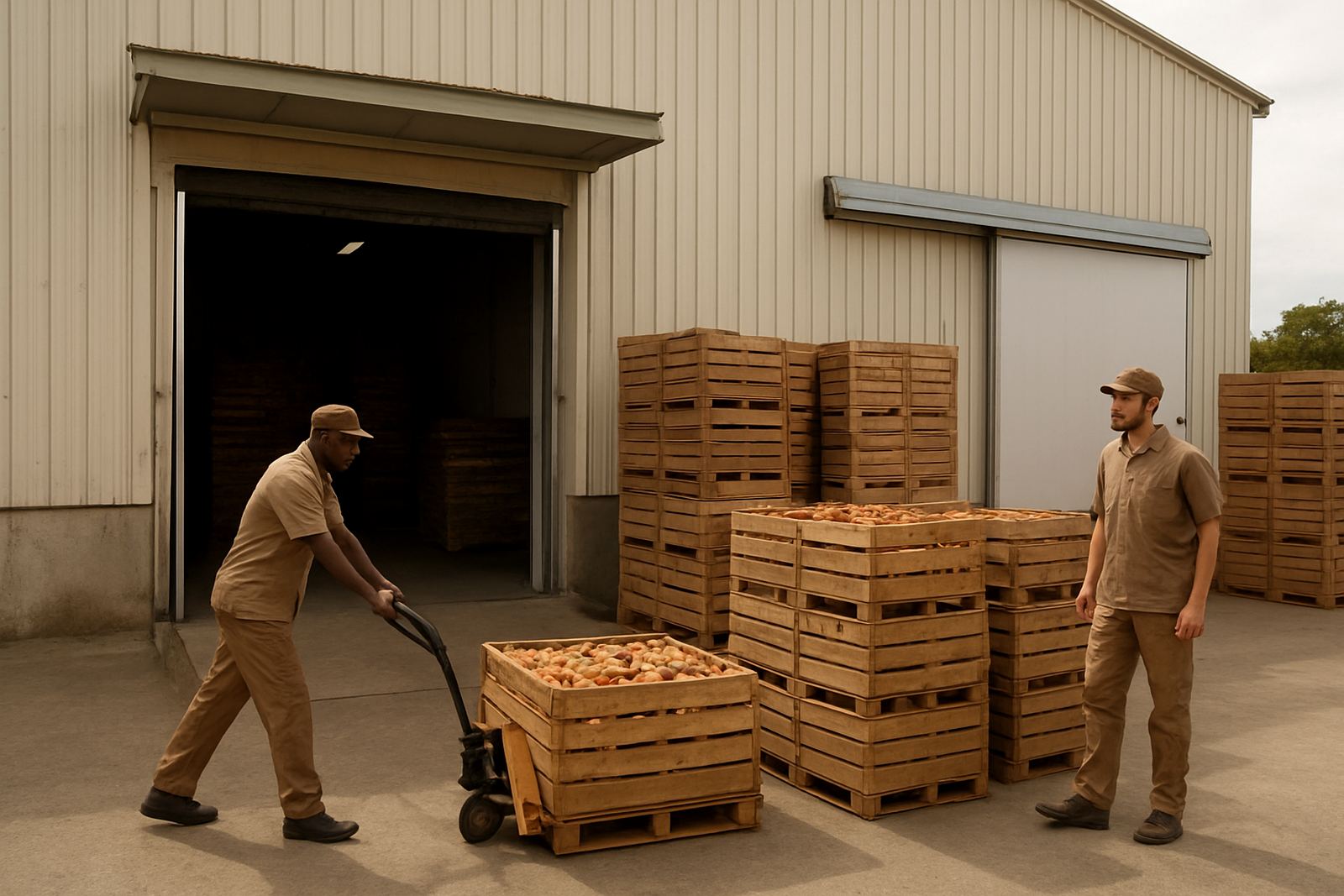
A packhouse is not a normal cold room site. Fruit, veg and cut product may come in warm from the field, pass through wash and grading lines, then need fast pull-down before loading. If the cold chain slips at any point, shelf life shortens, moisture loss rises and you start losing value on grade, especially on export lines and long-distance distribution.
We work with packhouses that need stable temperatures through long shifts, frequent door openings and heavy electrical loads. In summer the bays can sit in hot, dusty conditions, while in winter early-morning starts still need quick recovery after power interruptions. In and around Gqeberha, Jeffreys Bay and Port Alfred the coastal humidity adds another layer, so controls, insulation and drainage all matter. Good refrigeration is not only about cooling, it is about holding product in the right condition until it leaves the yard.
Typical equipment in a working packhouse
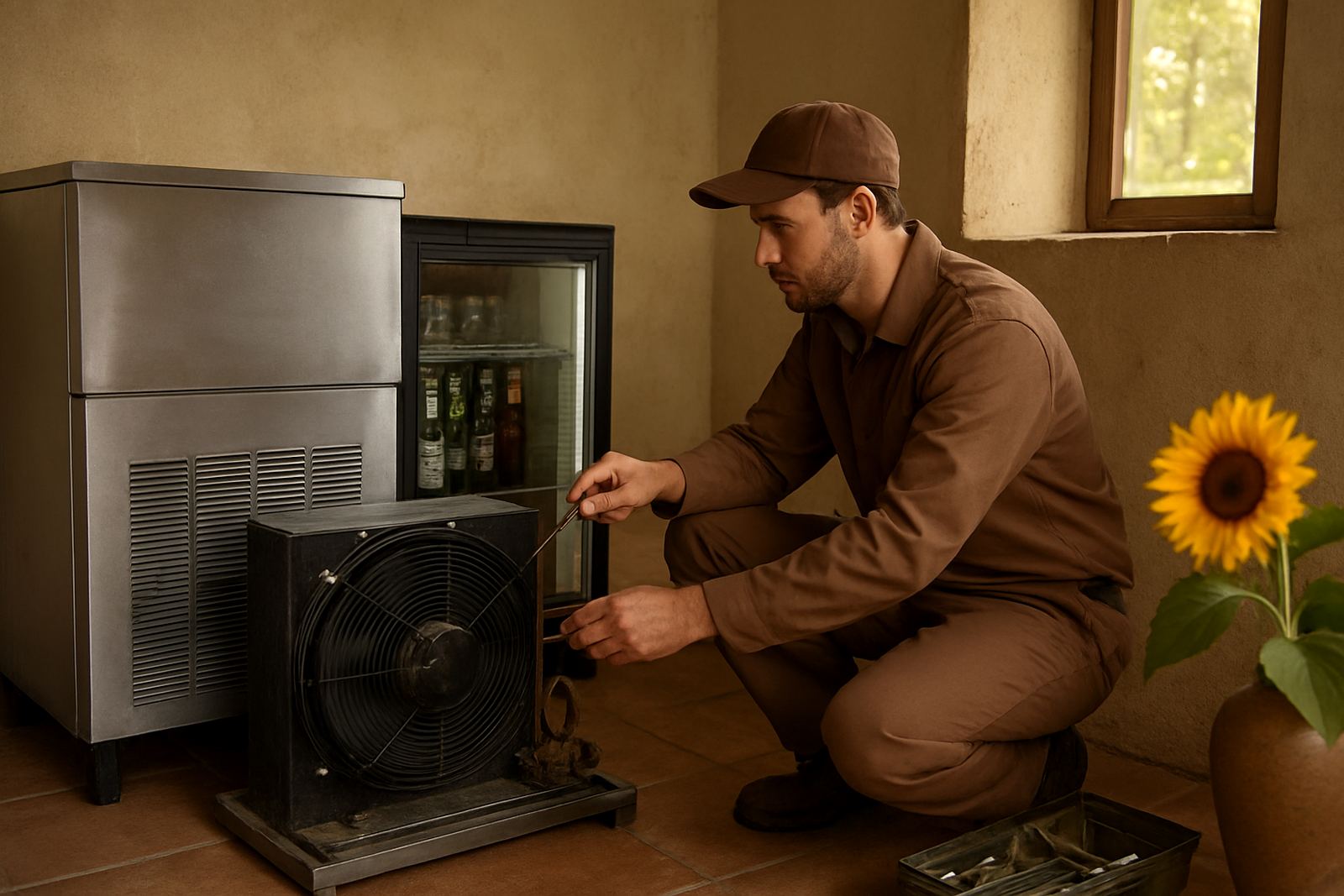
Most packhouses use a mix of pre-cooling rooms, holding rooms, process chillers and sometimes small dispatch chambers. Some sites also run glycol or chilled water systems for washing and process lines, while others use direct-expansion units on insulated rooms. We also see older systems that have been extended over the years with mixed controls, which can make fault finding slow and costly.
- Pre-cooling rooms for rapid temperature drop after intake
- Holding rooms for graded product waiting on loading or sorting
- Process chillers for wash water, flumes or equipment cooling
- Condensing units, evaporators, valves and control panels matched to the room load
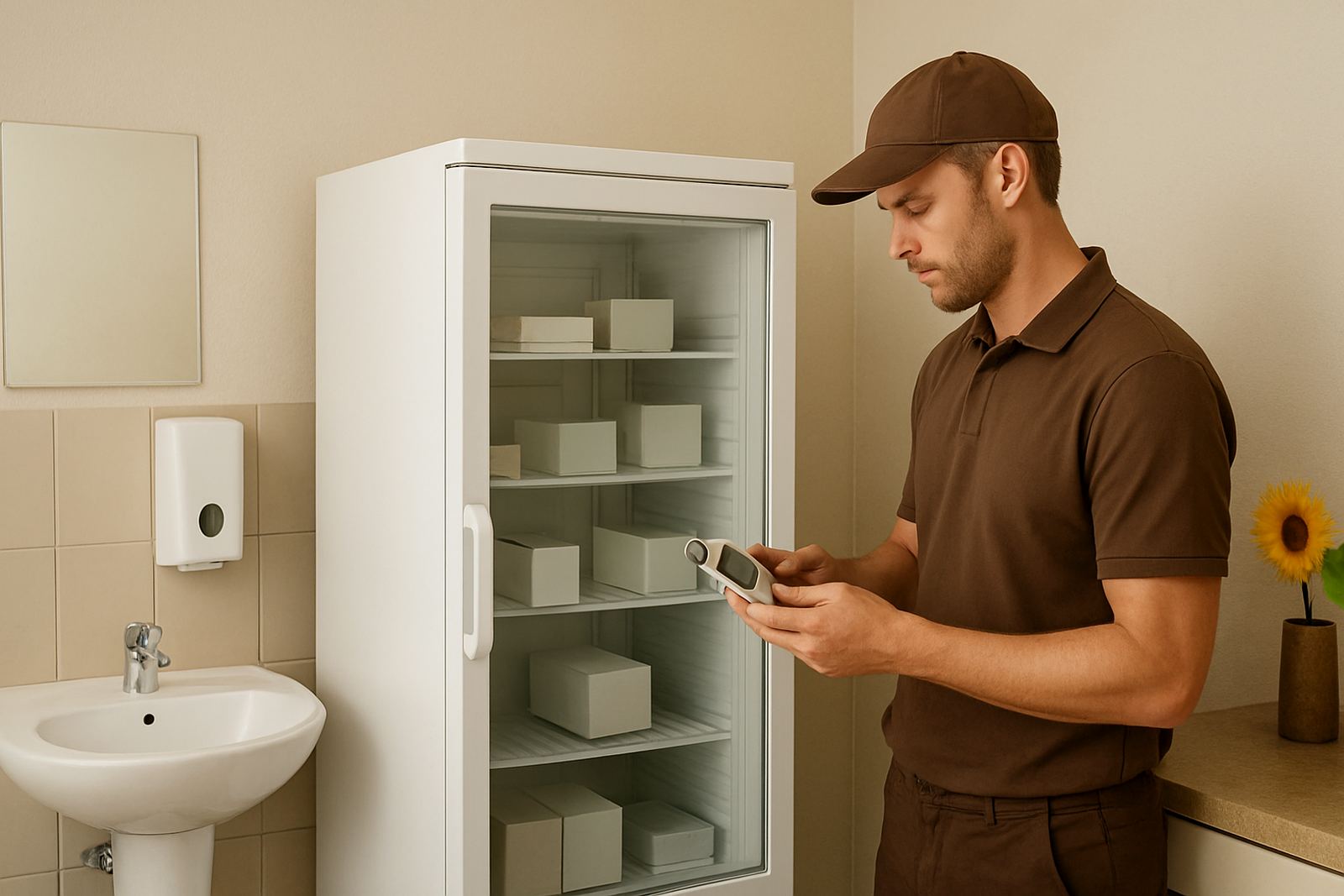
- Temperature monitoring for traceability and dispatch records
If your rooms are fighting each other, or if one area keeps stealing capacity from another, the plant may be undersized for the real operating pattern. We look at the full set-up, not only the compressor plate rating.
Planning advice for lay-out, airflow and loading points
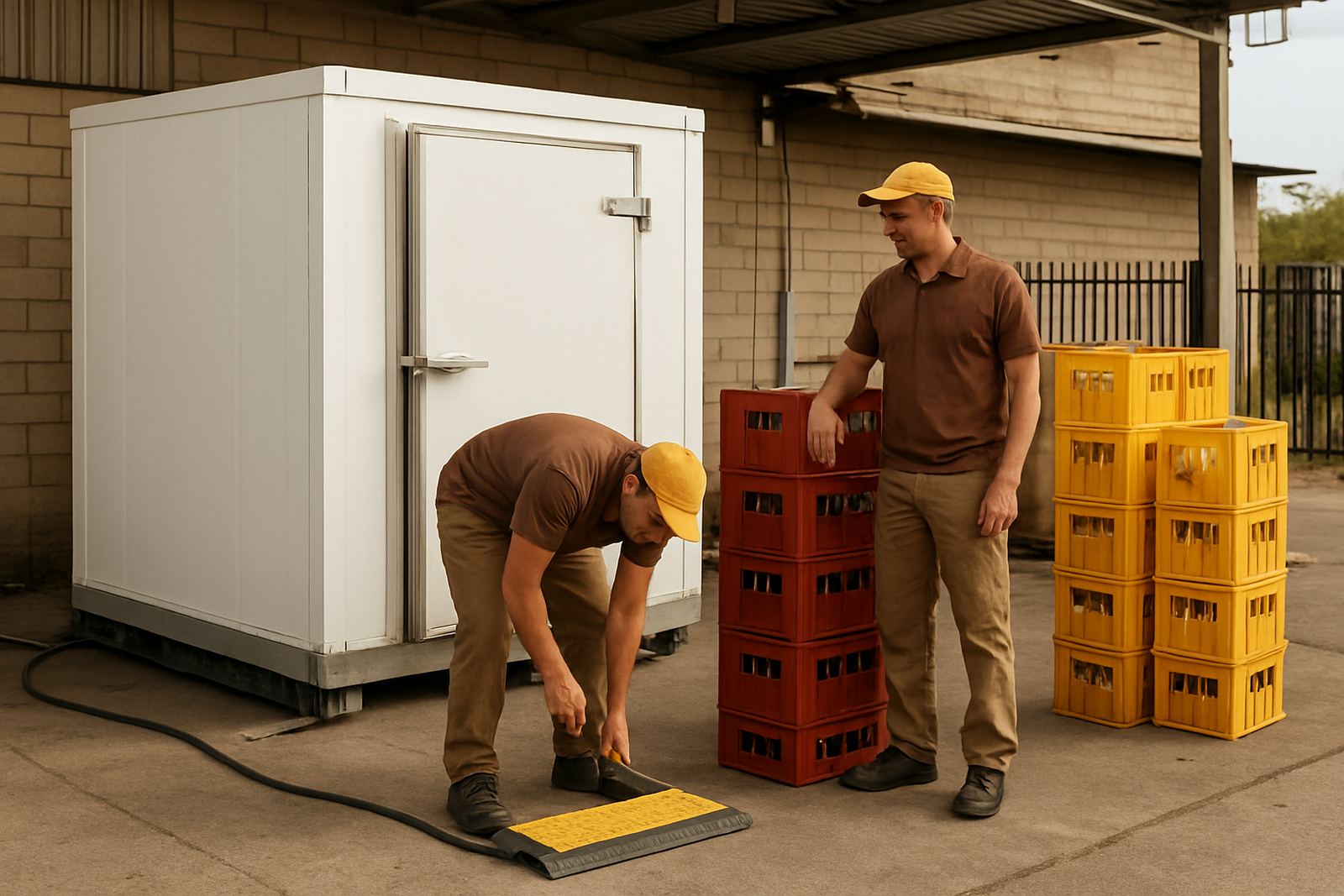
Cold rooms fail early when the layout forces unnecessary heat gain. A good packhouse design keeps intake, grading, pre-cooling and dispatch in a logical line, with short door-open times and enough space for trolleys, pallets or bins. Evaporators need clearance for air throw and safe maintenance access. Condensers need open airflow, not a corner full of dust and cardboard offcuts.
We often advise on practical changes that cost far less than a full rebuild. That may include adding strip curtains, moving temperature sensors, improving door closers or separating high-traffic dispatch doors from the coldest rooms. For coastal sites, corrosion on fixings and panels should be checked early, before it starts eating into the insulation envelope.
- Keep the pre-cooling room close to intake and grading points
- Separate warm dispatch traffic from cold holding areas
- Allow service access for filters, fans and drain trays
- Plan drainage so wash-down water does not pool near insulated panels
Common mistakes we find on Eastern Cape packhouse sites
One common problem is relying on a system that was sized for a smaller intake volume and then expecting it to handle growth. Another is poor maintenance on coils and drains, which makes a room pull down slowly and drives power use up. In some sites the biggest issue is not the compressor at all, but a blocked condenser or faulty control sensor giving the wrong reading.
We also see refrigerant leaks left too long because the site tries to keep going through the shift. That usually means more product in risk, higher running cost and more damage to the plant. If a unit has been converted to a low-GWP gas, it still needs proper charge management and leak detection. A conversion does not remove the need for skilled servicing, it just changes the refrigerant profile and handling requirements.
- Dirty condensers and evaporators causing long run times
- Doors left open during intake and loading
- Badly placed sensors near fan blast or warm product
- Ignoring small leaks until capacity drops during peak season
Maintenance that fits harvest pressure and load-shedding
Packhouses cannot afford random downtime when fruit is waiting to move. Planned maintenance is usually best done around shift patterns and dispatch windows, with critical tasks done before peak intake periods. We handle coil cleaning, leak detection, control checks and temperature monitoring so the site can keep records and catch drift early.
Load-shedding adds another layer. Some packhouses have backup generation for essential cooling, while others need careful load sequencing so the cold rooms recover without tripping supply. During planned outages, control settings and restart logic should be checked, because a room that restarts badly can lose hours of temperature control. A bit of preparation here can save a lot of spoiled stock later.
Budget ranges for conversions, servicing and upgrades
Packhouse budgets vary by room size, existing plant age and how much of the system must stay in service while the work happens. As a broad guide, routine planned maintenance and coil cleaning may start from a few thousand Rand per visit for a small site, while emergency breakdown work depends on parts, travel and after-hours call-out. Leak detection and fault diagnosis are usually far cheaper than running a low system until product is affected.
Low-GWP conversions, control upgrades and chiller retrofits are typically project-based. Small control improvements or temperature monitoring additions may run from about R15,000 to R60,000, while a more involved room or process retrofit can move into the six figures. Full plant changes for larger packhouses can be much more. We quote against the actual layout, equipment list and operating hours so you know what is being changed and why.
For sites in Gqeberha, Uitenhage, Despatch, Graaff-Reinet, Jeffreys Bay and Port Alfred, we also factor in access, response time and whether work must happen after hours to avoid disrupting dispatch.
How Nvirocool supports packhouses across the Eastern Cape
Nvirocool has been supporting refrigeration and cooling work since 2011 from our Newton Park base in Gqeberha. Our team includes Ayabulela Ndlovu, Leanne Petersen, Siyabonga Mthembu, Ruan Smit, Nokulunga Dlamini and Yolanda Jacobs, with Anele Mbeki-Jacobs leading the business. That mix of service coordination, accounts, technical work, retrofit planning and energy review helps us deal with packhouse jobs in a practical way.
We cover Planned Maintenance, Emergency Breakdowns, Cold Room Repairs, Chiller Servicing, Low-GWP Conversions, Leak Detection, Energy Audits, Coil Cleaning, Control Upgrades and Temperature Monitoring. If your operation is moving product daily and cannot afford guesswork, we can assess the current set-up and map out the next step, whether that is a fix, a service plan or a staged upgrade.
For packhouses, the aim is simple: keep the rooms pulling, keep the product moving and keep the energy bill from running away.