Cooling Plans That Match The Event, Not Just The Building
An event venue can look calm on paper and still run hot once the prep team, bar staff and caterers are all moving at once. In Gqeberha, we often see the trouble start in back-of-house areas where doors stay open, ice stock is high and refrigeration is asked to carry more than it was set up for.
For weddings, conferences, year-end functions, sporting events and expo catering, the question is not only what unit is installed, but how long it must run at full demand and where the heat is coming from. We plan for guest flow, kitchen load, outdoor catering spillover and the effect of load-shedding or generator changeovers. A small miss in planning can cost stock, service speed and staff time.
- Temporary cold room support for peak weekends
- Bar fridge and undercounter servicing before event season
- Backup cooling checks for generator handover periods
- Storage planning for pre-chilled stock and beverages
Typical Equipment We Support At Venues
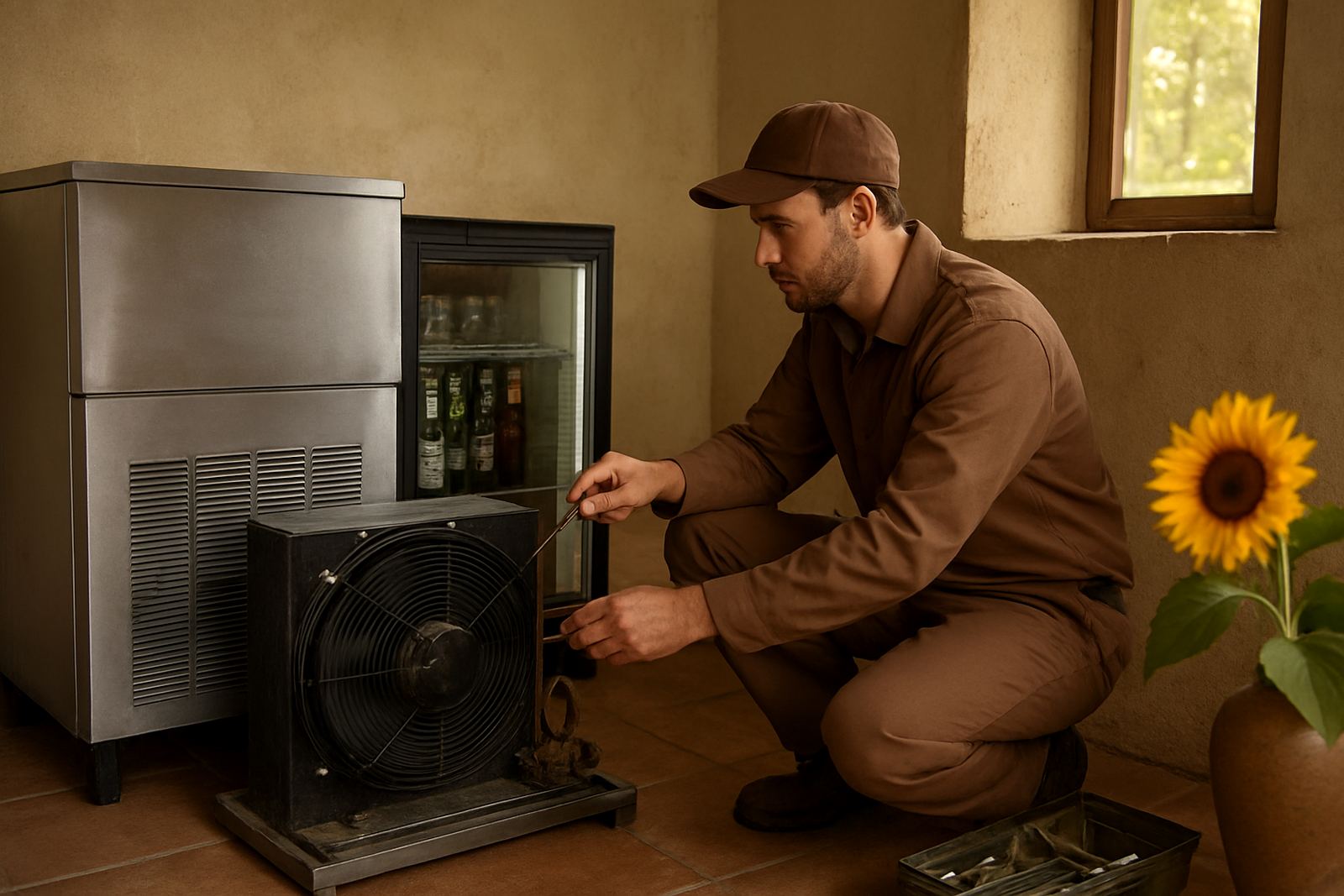
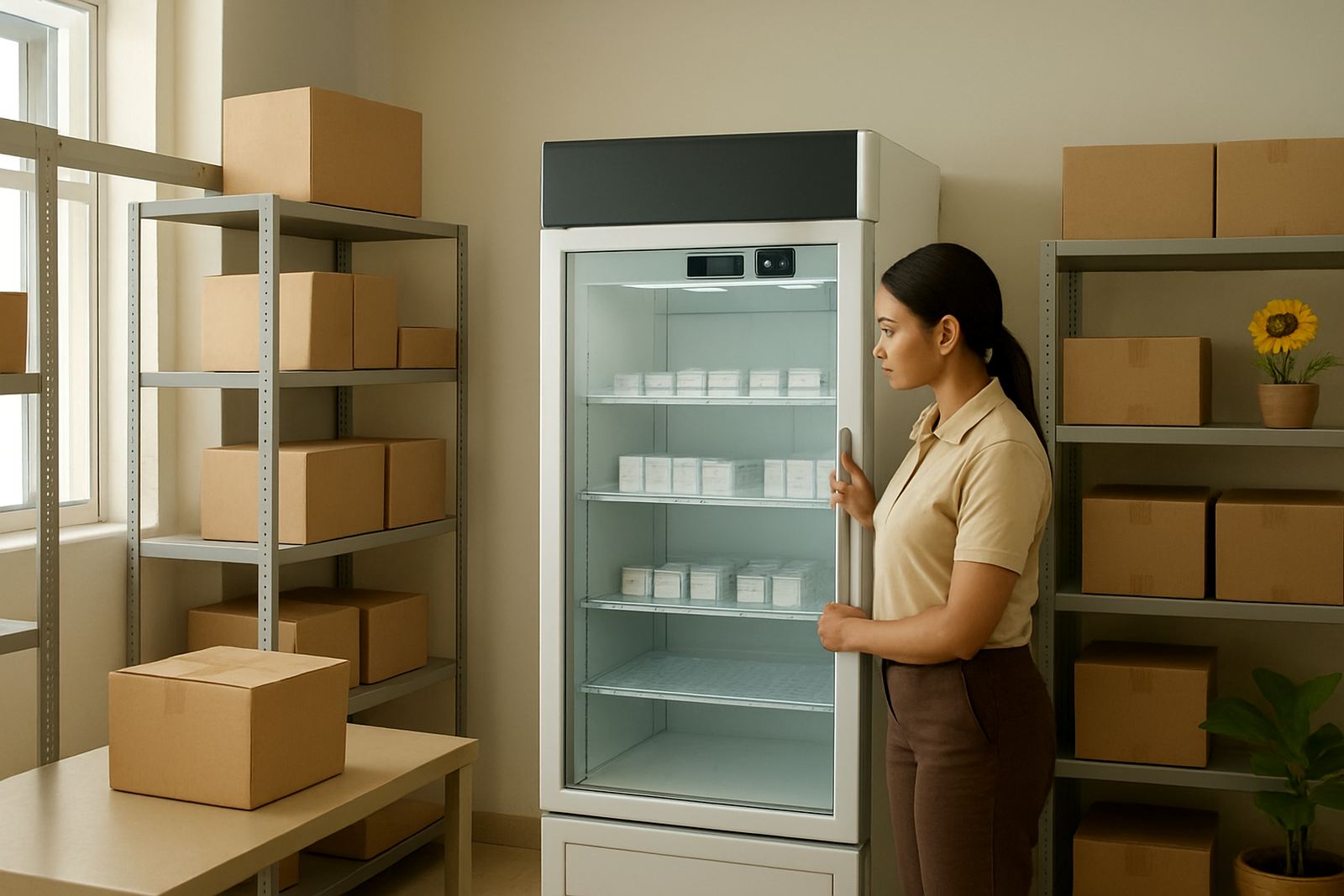
Most venues use a mix of equipment rather than one large system. That usually includes cold rooms for perishables, display fridges for service areas, undercounter units for bars, ice storage, chillers for larger plant and temperature monitoring for compliance. When the layout is spread across a kitchen, prep room and separate function spaces, the pipe runs and cable routes matter just as much as the machine itself.
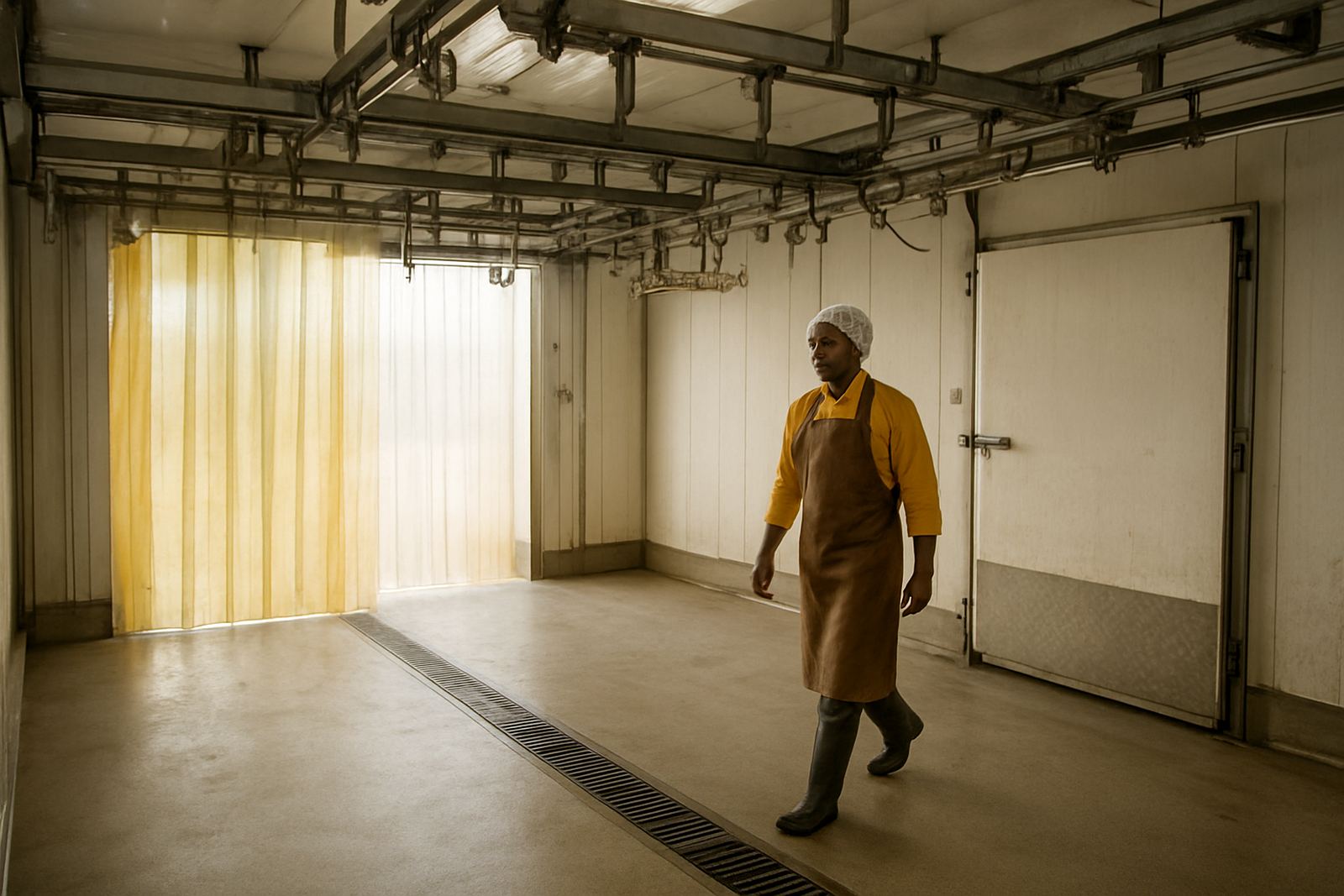
We work on short-term event support as well as permanent installations. If a venue only hosts major functions a few times a month, it may need a temporary cold room, an extra split unit or a standby cabinet to cover the rush. For permanent operations, we look at energy use, airflow and how often doors are opened. Coastal humidity in Port Alfred or Jeffreys Bay can create extra condensation and coil strain, so the same setup may behave differently from Uitenhage or Graaff-Reinet.
- Cold rooms and freezer rooms
- Chillers and chilled water support equipment
- Bar and kitchen refrigeration
- Temperature probes and monitoring alarms
- Energy-saving retrofits and control upgrades
Layout Advice For Prep Areas, Bars And Backup Stock
A good cooling layout reduces walk time, avoids bottlenecks and keeps chilled stock close to where it is needed. At venues, we normally map the route from delivery point to storage, then from storage to prep and service. If staff are carrying trays through long passages or across warm loading zones, the fridge system ends up compensating for poor layout.
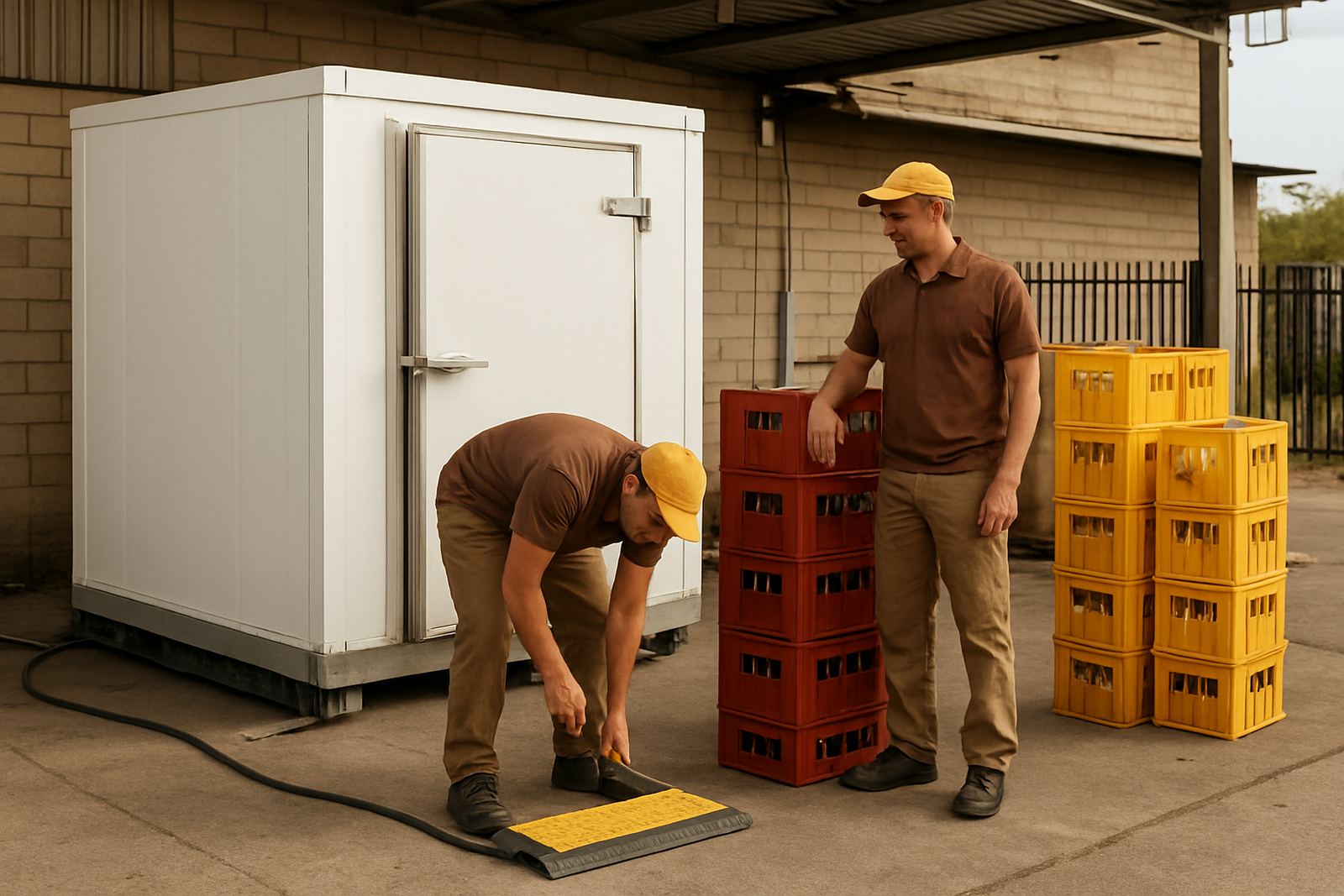
Simple changes can make a real difference. Keep cold rooms away from direct sun where possible. Leave enough space around condensers for airflow. Do not place a drinks fridge beside ovens, dishwashers or hot holding cabinets. If the venue uses mobile bars or pop-up serving points, plan for extension leads, safe drainage and enough floor space for a unit to breathe. In many cases, a neat layout cuts power use more than a bigger machine would.
For temporary event set-ups, we also advise on access. A unit that cannot fit through a service door, or that sits on uneven paving, can delay setup and lead to vibration issues later. In older buildings around central Gqeberha, doorway widths, steps and drainage points should be checked before the event date, not on the morning of delivery.
The Most Common Cooling Mistakes We See
Event venues often call us after a busy weekend because a fridge tripped, drinks were warm or ice production fell behind. Most of the time the problem starts earlier, with missed maintenance or poor load planning. The good news is that many faults can be prevented with routine checks and a clear operating plan.
Common mistakes include overfilling cabinets, leaving door seals dirty or damaged, running equipment on unstable power during load-shedding and ignoring slow temperature drift. Another issue is trying to use domestic-type units for commercial event volumes. Those machines may cool a few trays at first, but they are not built for repeated door openings and long service hours. We also see control settings changed without logging them, which makes fault finding harder later.
- Overloading cold rooms with warm stock
- Ignoring blocked drains and ice build-up
- Using undersized backup power for refrigeration
- Skipping coil cleaning before peak season
- Not checking door seals and hinges before winter and summer events
Planned Maintenance Before Peak Event Season
For venues, planned maintenance is usually cheaper than emergency callouts during a busy weekend. A service visit can include leak detection, coil cleaning, temperature checks, control testing and a look at compressor condition, fan motors and drains. We also check whether the system is drawing more power than it should, which can point to worn parts or airflow problems.
In the Eastern Cape, seasonal shifts matter. Summer functions push units hard and winter can expose defrost or humidity issues. A maintenance plan should be set before the calendar fills up, not after the first breakdown. For larger venues, we often stagger service visits so that cold rooms, bars and chiller plant are not all down on the same day. That keeps the site trading, which matters when there are weddings, conference bookings and restaurant service all week.
If your venue has a backup generator, the refrigeration plant must be checked on changeover. A few minutes of unstable supply can trip controls or damage sensitive equipment. We can test that setup as part of a planned visit.
Budget Ranges For Venue Cooling Work
Costs depend on the size of the venue, how much equipment is involved and whether the work is a one-off event or a permanent upgrade. A basic service call for a single cabinet or bar unit may start from around R950 to R1 800, while emergency breakdown attendance after hours can sit from about R1 500 to R3 500 before parts. Coil cleaning, seal replacement and minor control work are usually lower-cost items if caught early.
For event support, temporary cold room hire, setup and commission work can range from about R6 500 to R18 000 for short periods, depending on capacity and access. Low-GWP gas conversions and retrofit work on existing plant may run from around R12 000 for smaller systems to well over R45 000 for larger venues with multiple circuits, controls and pipe modifications. Energy audits are usually quoted once we know the site size and the number of units involved.
We are careful to separate repair cost from wasted stock cost. A failed fridge on a long weekend can cost more than a year of servicing if the venue loses drinks, dairy, desserts or prepared food. That is why many clients prefer a maintenance schedule with clear callout rates and spare-part planning.