Guest lodge cooling that fits the daily check-in rhythm
At a guest lodge, cooling problems are rarely just about temperature. A warm dining room can affect breakfast service, a noisy unit can disturb rooms, and a failed cold room can put stock at risk before a busy weekend. We work with lodge managers who need practical support, clear call-outs and repairs timed around arrivals, departures and cleaning windows.
Our base in Newton Park puts us close to Gqeberha, Uitenhage, Despatch and the coast, with service reach into Jeffreys Bay, Port Alfred and Graaff-Reinet. That matters when you need a technician on site before check-in, not after lunch when guests are already settled.
Typical lodge equipment we service on site
Guest lodges often run a mix of small and medium cooling plant rather than one large system. That mix needs different maintenance plans, because a bedroom split unit, a kitchen cold room and a back-of-house chiller all fail in different ways.
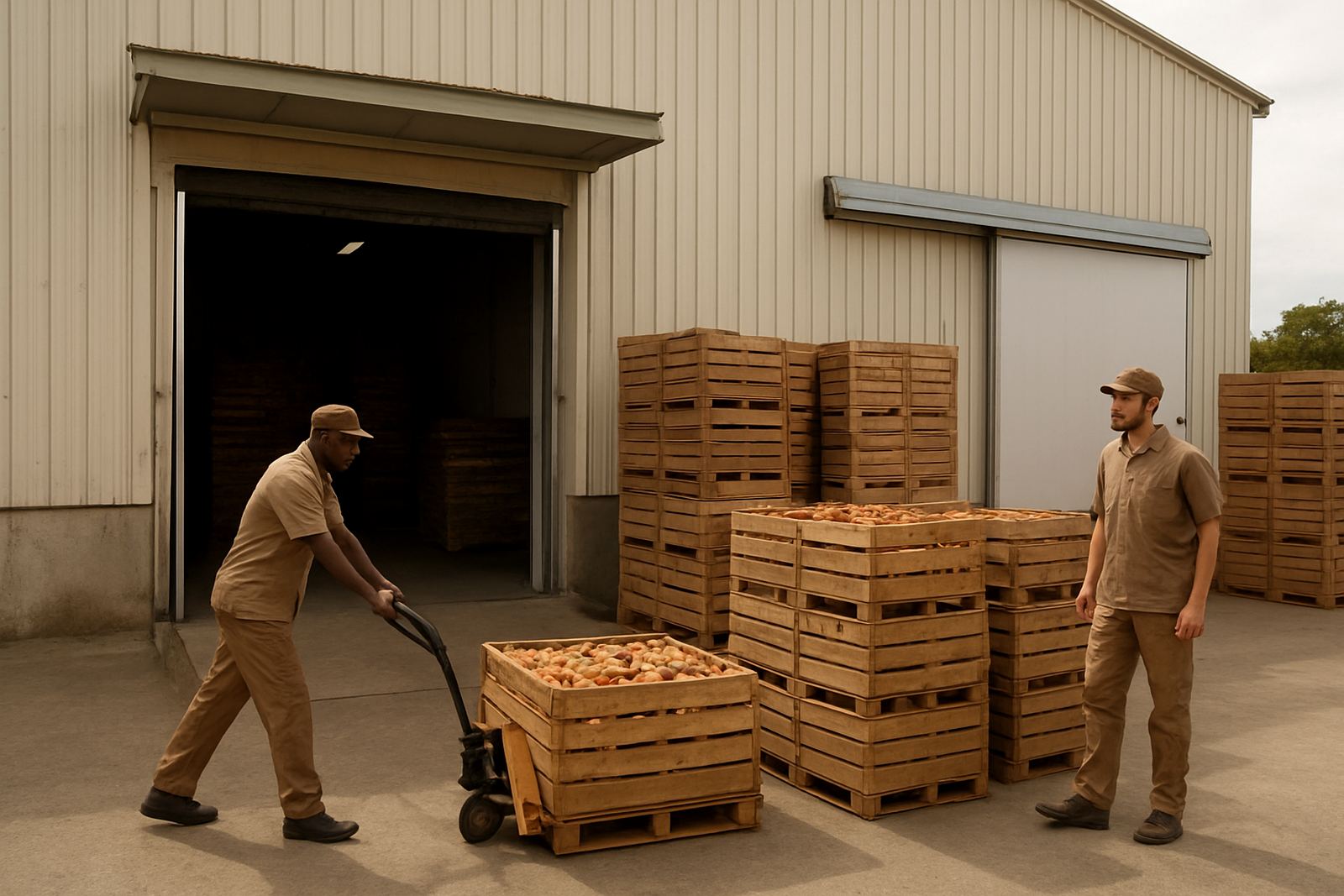
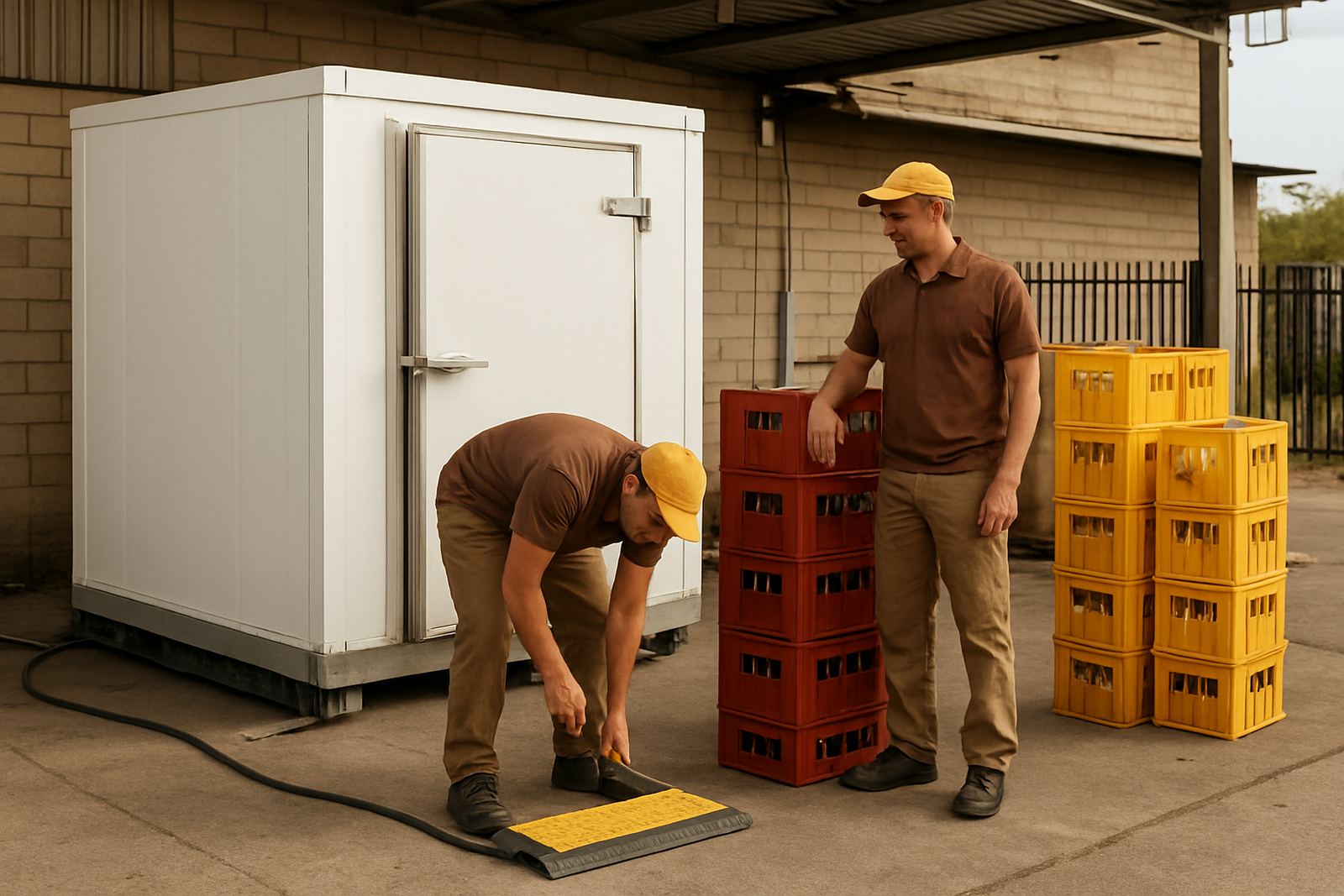
- Cold rooms for meat, dairy, fruit and breakfast prep stock
- Chillers for laundry areas, plant rooms or spa support systems
- Wall-mounted room units in bedrooms, family suites and reception areas
- Under-counter and upright refrigeration for bar and kitchen use
- Temperature monitoring for stores that must stay within set ranges
- Control upgrades and leak detection for older installations
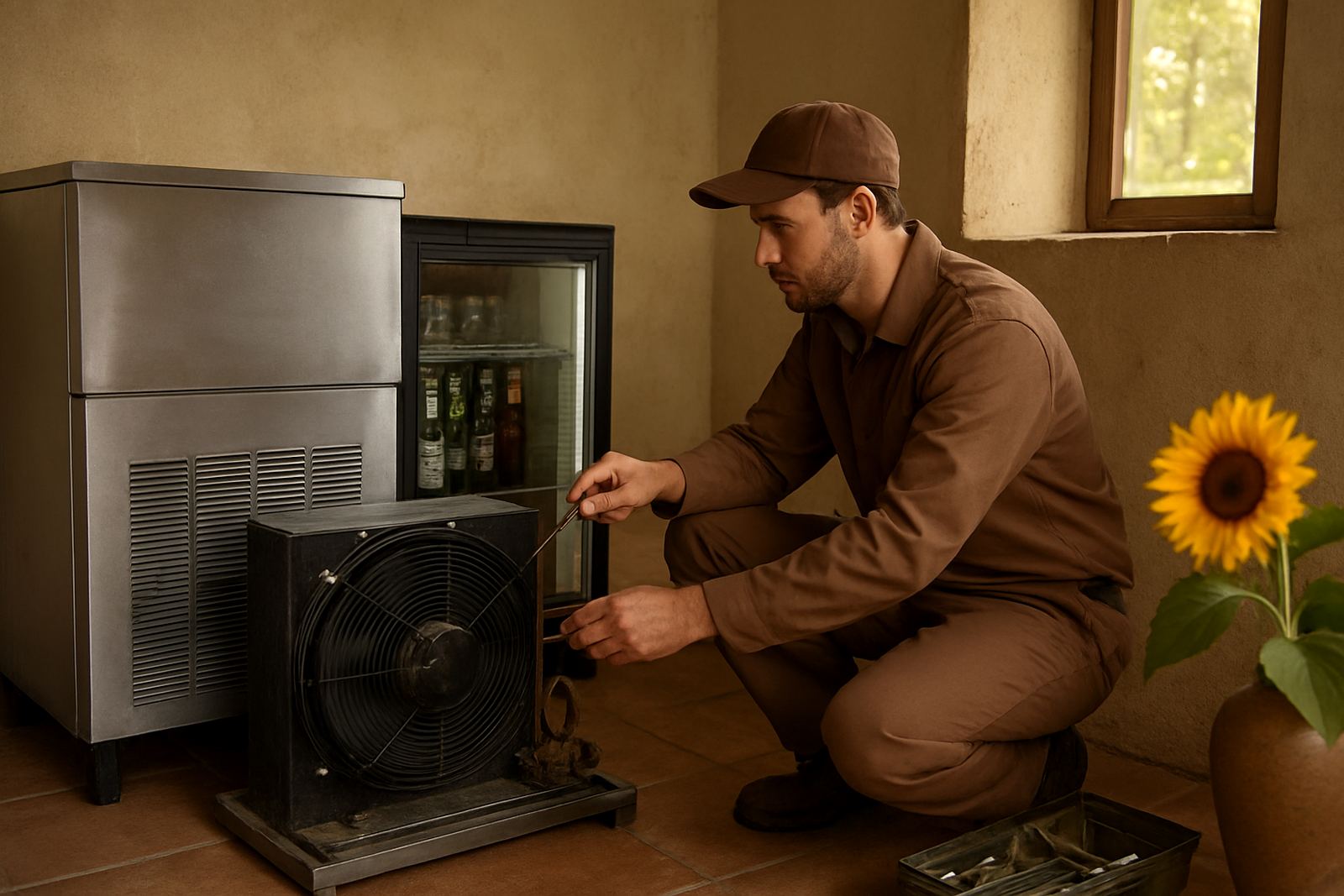
We also handle coil cleaning, gas checks, fan faults and electrical control issues that often show up first as uneven cooling or higher power use.
How to plan cooling around guests, housekeeping and noise limits
The best lodge layout keeps the noisiest and hottest equipment away from guest movement. Condensing units should not sit right next to bedrooms, smoking areas or courtyard seating if it can be avoided. Where possible, place plant on service sides, roof spaces or screened external yards with enough airflow for summer heat and coastal humidity.
In the Eastern Cape, corrosion and salt air can shorten the life of outdoor components, especially near Jeffreys Bay, Port Alfred and other coastal areas. Good planning includes clear drainage, raised mounting where needed, and enough space around coils for cleaning. If your site relies on load shedding backup, the cooling load should be checked against generator capacity so the lodge does not trip when the lights switch over. Some owners overlook this and only notice the problem when the cold room warms up during a power cut.
- Keep service access clear so technicians can work without moving guest vehicles or furniture
- Separate guest-facing areas from plant noise and hot exhaust air
- Allow for cleaning space around coils, filters and drain points
- Check whether backup power can start the cooling load safely
- Label isolators, thermostats and monitored temperature points for quicker response
Planned maintenance for fewer after-hours call-outs
For lodges, planned maintenance is usually cheaper than reacting to a breakdown in peak season. A quarterly or six-weekly service schedule helps catch blocked drains, dirty coils, tired fans, low gas charge and control drift before they become guest complaints. It also helps your team plan around quieter trading days, which is easier on housekeeping and maintenance staff.
Our maintenance approach is suited to sites that need dependable attendance, practical reporting and no fuss. We can cover planned maintenance, emergency breakdowns, cold room repairs, chiller servicing and temperature monitoring. Where older systems still use higher-impact refrigerants, we can assess low-GWP conversion options and explain the cost, compliance and downtime involved.
For lodge owners, one common mistake is waiting for a full failure before looking at energy use. Another is cleaning only the visible parts and leaving coils, trays and drains neglected. That causes poor airflow, ice build-up and higher running costs, especially in summer.
Energy-saving upgrades that make sense for hospitality budgets
Not every lodge needs a full replacement. In many cases, a control upgrade, better fan setup, new sensors or a low-GWP conversion can improve performance without starting from scratch. We assess the age of the plant, the type of refrigerant in use, the condition of the pipework and the cost of repeated call-outs before recommending the next step.
Nokulunga Dlamini handles energy audits, which is useful when a lodge wants to cut electricity spend without affecting guest comfort. On some sites, the biggest savings come from simple changes such as fixing short cycling, improving room set points, cleaning condensers more often, or scheduling equipment to avoid peak tariffs where possible. In larger properties, chiller retrofits can also reduce running costs and extend plant life.
Typical budget ranges depend on size and condition, but lodge owners can use these working figures as a guide:
- Call-out diagnosis and minor repair: R850 to R2 500
- Routine servicing for a room unit or small refrigeration circuit: R1 200 to R4 500
- Cold room repairs and component replacement: R3 500 to R18 000
- Low-GWP conversion on suitable equipment: R12 000 to R45 000
- Chiller retrofit or control upgrade: R25 000 to R180 000+
The exact cost depends on equipment size, access, parts availability and whether work has to be done outside guest hours.
What lodge managers should check before peak season
Before school holidays, long weekends and conference bookings, it helps to run through the basics. Many lodge cooling failures can be avoided by checking a few practical points early, instead of trying to fix them while guests are already checked in.
- Are all guest room units cooling evenly, with no strange noise or smell?
- Does the cold room hold temperature overnight when doors are opening often?
- Are drain lines clear and not dripping onto floors or ceilings?
- Has the plant been cleaned after winter dust or coastal dampness?
- Do thermostats, controllers and monitors match the actual room conditions?
- Can the generator or backup supply carry the cooling load during load shedding?
If the answer to any of those is no, it is better to sort it out before occupancy climbs. Guest complaints about room temperature usually start small, then become a review issue very quickly.
Service coverage across Gqeberha and the Eastern Cape
Nvirocool works from Newton Park and supports guest lodges across Gqeberha, Uitenhage, Despatch, Jeffreys Bay, Graaff-Reinet and Port Alfred. We understand that lodge work is not the same as industrial refrigeration, because timing matters and the guest experience comes first. Ayabulela Ndlovu coordinates service calls, Siyabonga Mthembu handles technical refrigeration work, and Ruan Smit leads retrofit projects where older systems need an upgrade path.
For lodge owners and managers, the best result is steady cooling, lower waste and fewer interruptions. If your site needs planned maintenance, emergency breakdown response, low-GWP conversions, leak detection, energy audits, coil cleaning, control upgrades or temperature monitoring, we can help keep the system working quietly in the background where it should be.
Contact hello@nvirocool.co.za to book a site visit or talk through a maintenance plan that suits your occupancy cycle.