What butchery refrigeration has to handle day after day
A butchery works harder than a standard retail fridge setup. Doors open all morning, product is loaded and unloaded often, and the cold room has to cope with warm carcasses, prep room traffic and the heat from mincing, slicing and packing areas. In Gqeberha, you also get salt air, dusty winds and long hot spells that put extra strain on condensers and door seals.
We work with butcheries that need reliable temperature control for meat prep rooms, display counters, hanging cold storage areas and back-of-house freezer space. The aim is simple: keep product safe, reduce waste and avoid emergency callouts when trade is at its busiest. A unit that is only slightly out of spec can still cost you in trimmed stock, poor shelf life and complaints from customers.
For most sites, the issue is not only the main fridge plant. It is the whole system working together: insulation, controls, airflow, drainage, door closers and regular cleaning. If one part slips, the rest starts to overwork.
Typical equipment in a busy butcher shop
Every shop is different, but most butchery sites use a mix of smaller display units and larger storage plant. We commonly service and repair:
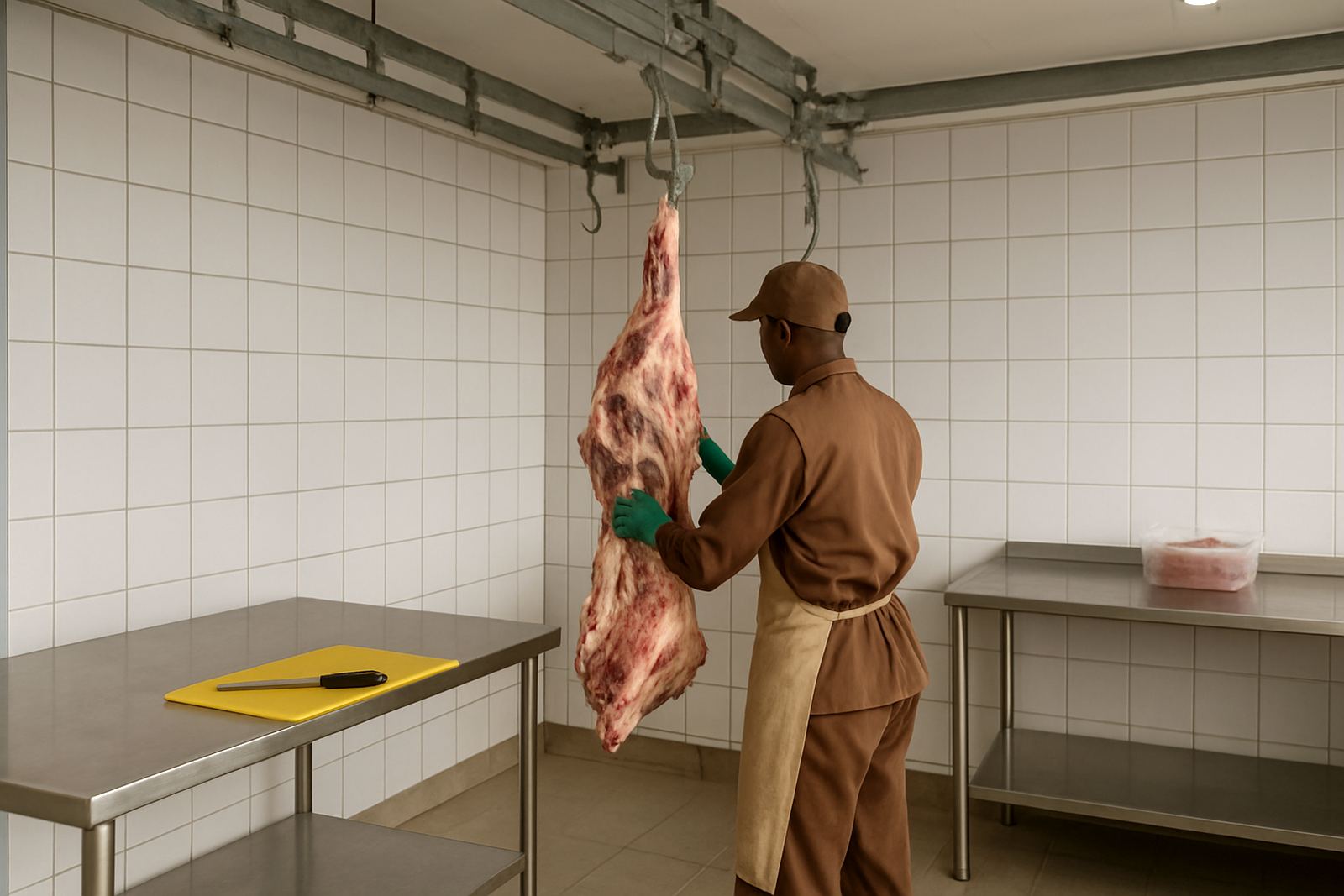
- Cold rooms for boxed meat, carcass storage and overflow stock
- Display counters for red meat, poultry and processed items
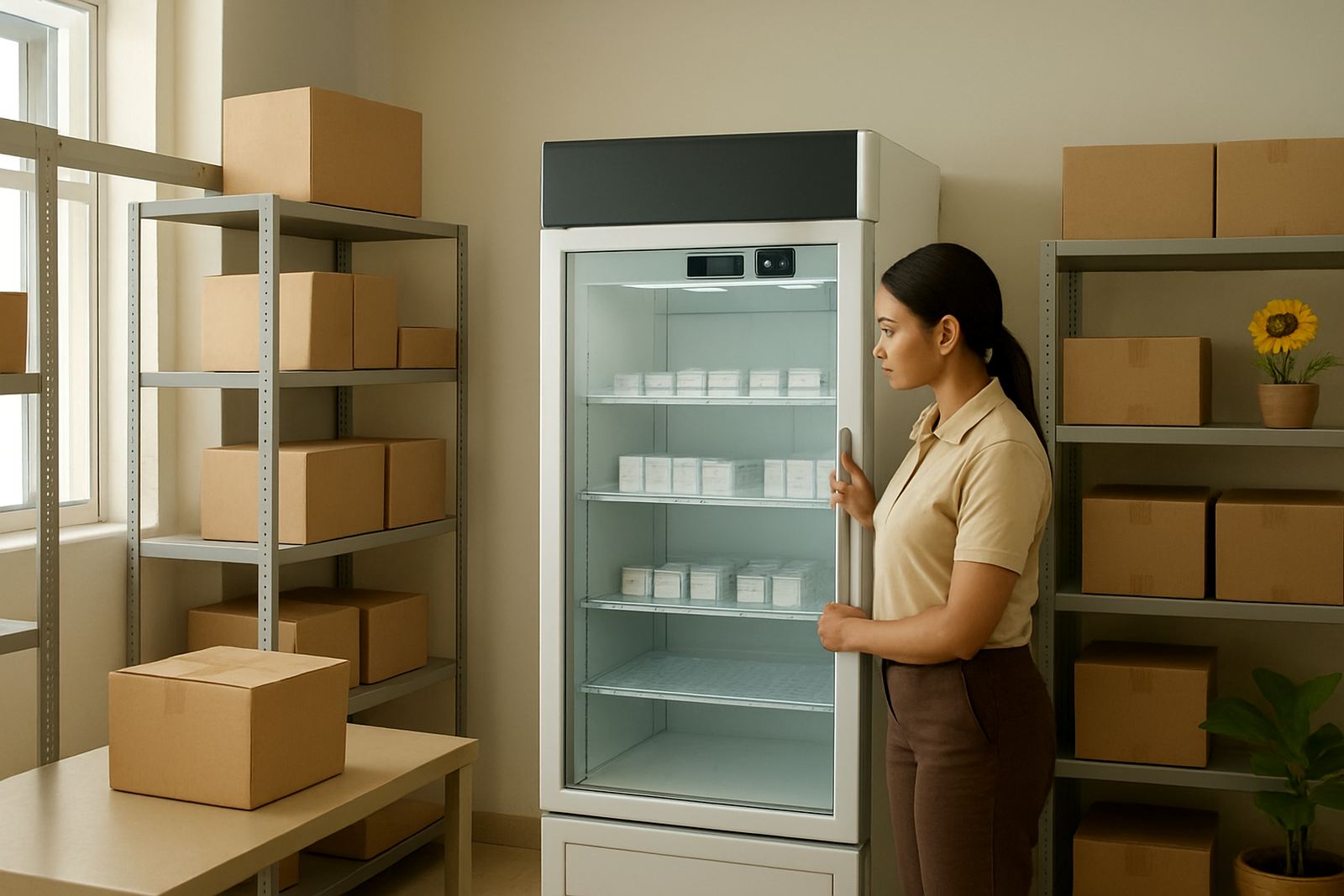
- Freezer rooms or upright freezer cabinets
- Prep room chillers for trimming and portioning areas
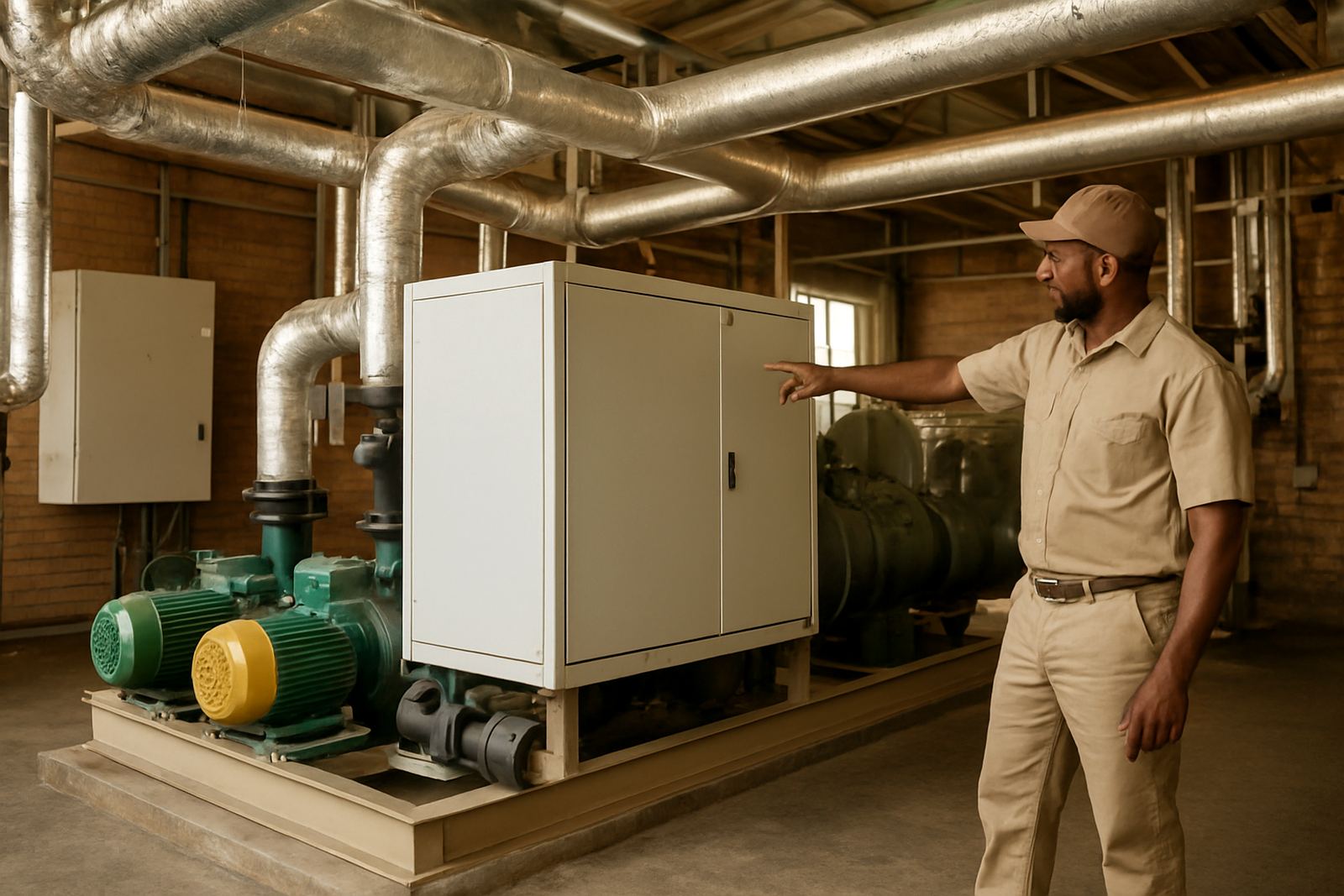
- Remote condensing units with evaporators and control panels
- Temperature monitoring probes, alarms and charting systems
Older stores often still run equipment that was installed for a much smaller turnover. That is where a planned maintenance check helps. A unit can look fine on the outside yet still have a weak fan motor, blocked drain, low gas charge or a control setting that is making it cycle too often. Those small faults add up.
We also handle low-GWP gas conversions where a site needs to move away from older refrigerants. That is often paired with leak detection, oil checks, pressure testing and a proper label update so the system stays clear for future servicing.
Layout and planning tips before you add or change plant
Good planning starts with the way stock moves through the shop. Meat should come in, be chilled or frozen quickly, then move to prep, display and sale without crossing warm delivery paths more than necessary. If your layout forces staff to leave cold-room doors open for too long, the system will fight a losing battle.
When we look at a butchery layout, we check the practical points that affect day-to-day running:
- Where the warmest traffic points are, including loading bays and cutting rooms
- Whether the condenser has enough fresh air and is not blowing into a wall or corrugated roof space
- If the cold room is close to ovens, cooking equipment or sunlight through large windows
- How often doors are opened and whether strip curtains or door closers are needed
- Whether the floor drain, insulation and seals are holding up in a wet cleaning routine
In coastal towns like Jeffreys Bay and Port Alfred, humidity can lead to heavier frost build-up and more corrosion on outside components. In inland towns such as Graaff-Reinet, dust and heat matter more. Either way, the plant has to be matched to the site, not just the nameplate size.
Common faults we see in butcheries
Most refrigeration problems start small. A bit of dirt on a coil, a hinge out of line or a sensor placed in the wrong spot can create uneven temperatures and put product at risk. By the time the customer notices, the unit may already have been running too hard for weeks.
Some of the common issues we attend include:
- Ice build-up on evaporators from poor airflow or faulty defrost settings
- Short cycling caused by control problems or low gas
- Warm display counters because of blocked condenser fins and dirty fans
- Water pooling in prep rooms due to blocked drains or damaged trays
- Compressor stress after load-shedding or repeated power dips
Load-shedding has made backup planning part of normal business. If a butcheries refrigeration system is not set up to recover cleanly after a power cut, temperatures can climb fast. We can check restart settings, control protection and monitoring options so the system comes back properly instead of tripping again.
We also see installations where the unit was sized for a quiet weekday, not a Friday rush or a holiday weekend. That is where temperature monitoring helps, because it shows patterns before there is a spoilage problem.
Maintenance that keeps product safer and running costs lower
For butcheries, planned maintenance is usually cheaper than reacting to a breakdown after hours. It also helps with hygiene, because a clean coil and drain line reduce odour, moisture and unnecessary frost. We can set up visits around trade hours so the shop does not lose peak selling time.
A regular service normally covers:
- Coil cleaning and fan inspection
- Temperature checks and probe calibration
- Gas leak checks and pressure testing
- Door seals, hinges and closer adjustments
- Electrical checks on contactors, relays and controls
- Drain clearing and general airflow inspection
For shops in older premises, maintenance can also uncover insulation gaps, ceiling heat gain and poor ventilation around the condensing unit. Those are often the hidden reasons a system is using more electricity than it should. Nokulunga Dlamini on our team handles energy audits where a site wants a clearer picture of what is costing money every month.
Budget ranges for butcheries in Rand
Costs depend on the size of the room, the age of the equipment and how much work is needed to keep the existing plant going. Small repairs can be modest, while full conversions and upgrades need a proper site visit and load assessment. As a rough guide, butcheries should budget for the following:
- Planned maintenance and coil cleaning: R1,250 to R3,500 per visit for smaller sites, and more for multi-room setups
- Emergency breakdown callouts and repairs: R950 to R2,500 for the callout plus parts and labour
- Leak detection and gas recharge work: from about R1,800 to R8,500 depending on the fault
- Low-GWP conversion projects: from around R18,000 for a smaller system to R85,000 or more for larger plant
- Chiller or cold room control upgrades: from about R7,500 to R32,000
- Temperature monitoring installs: from R3,500 to R15,000 depending on the number of points
If the compressor has failed or the evaporator is beyond repair, replacement can be a bigger spend. In those cases, we normally look at whether the existing room, pipework and controls are worth keeping before recommending a full change.