What funeral facilities usually need on site
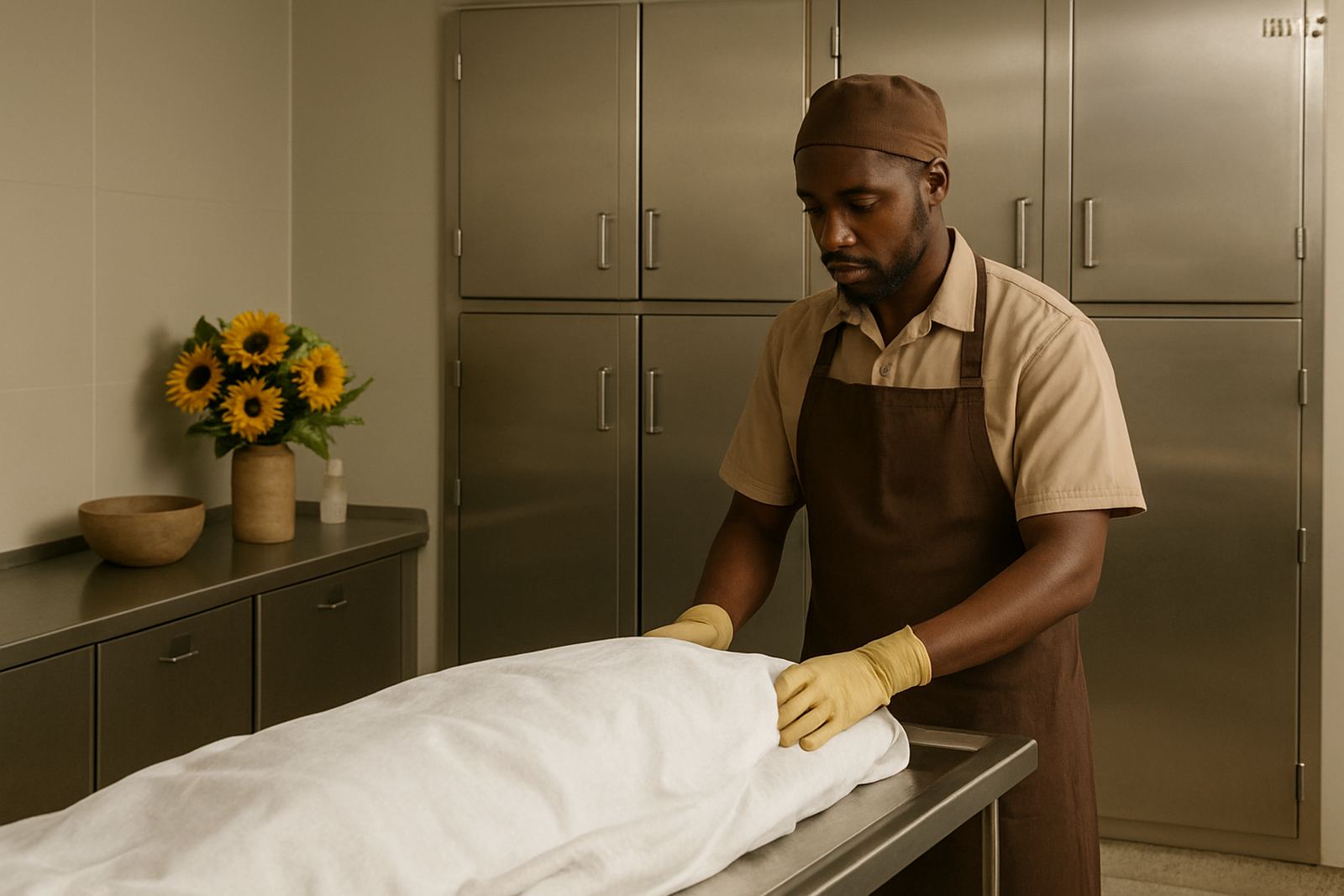
In a funeral facility, refrigeration is not just another service item. The mortuary store, preparation room, body holding cabinets and any cold room must hold temperature consistently, even during load-shedding, hot summer spells, or a busy week with back-to-back collections. We work with facilities in Gqeberha, Uitenhage, Despatch, Jeffreys Bay, Graaff-Reinet and Port Alfred, and the layout is often tighter than people expect.
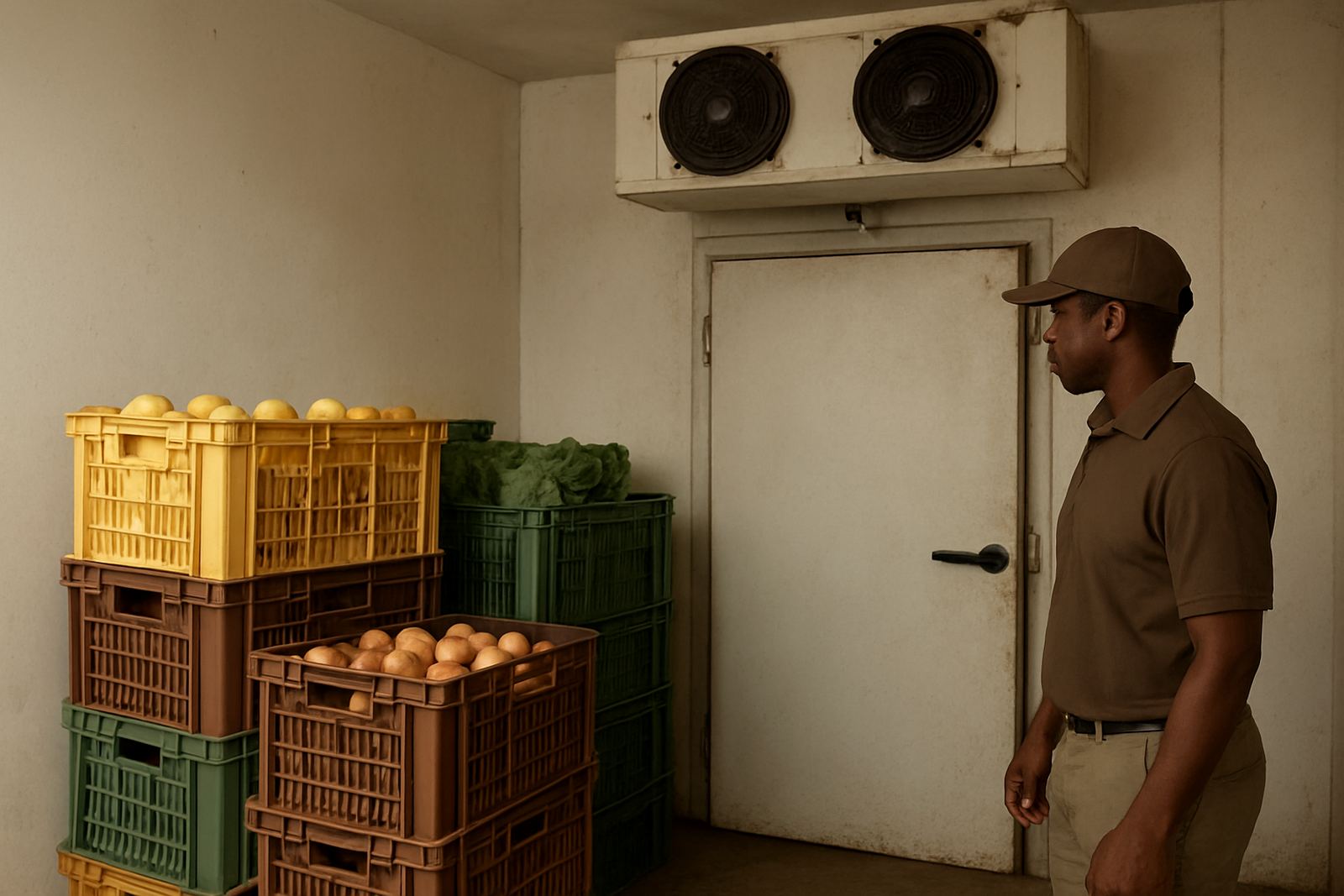
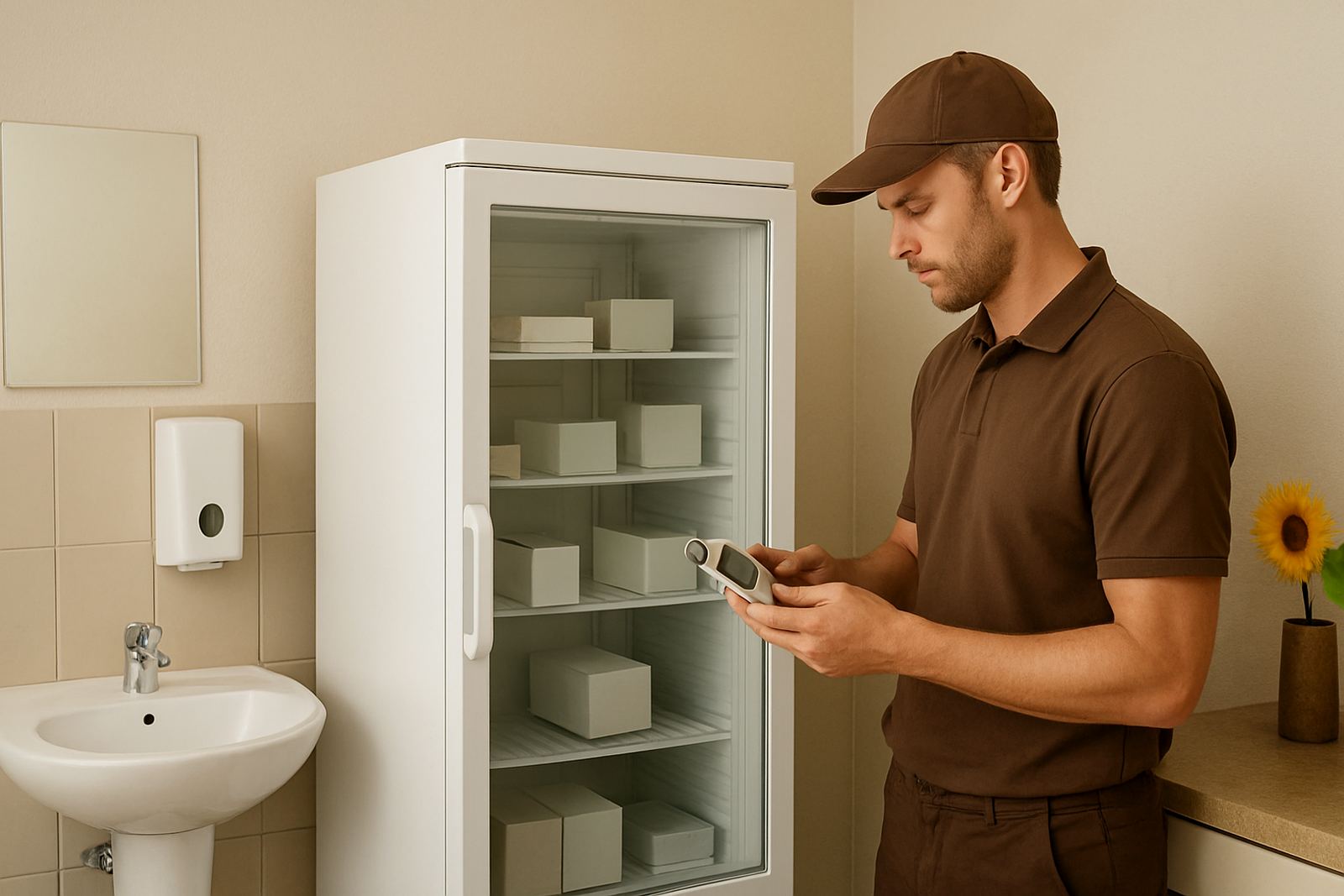
A typical setup may include upright body cabinets, a small walk-in cold room, a condensing unit on the roof or outside wall, temperature monitors, door seals, strip curtains and backup power changeover. Some sites also have prep sinks, wash-down areas and a separate clean store for shrouds, packs and consumables. The aim is simple, stable temperatures and easy cleaning without cross traffic in the room.
- Mortuary holding cabinets for short and medium term storage
- Small cold rooms for higher capacity sites
- Temperature alarms and remote monitoring
- Drainage that handles regular cleaning and disinfecting
- Controls that are easy for staff to read after hours
Planning a respectful layout that works in practice
Good planning starts with the room size, door positions and workflow. If a prep room shares access with the loading bay or public passage, warm air and dust get in more often. That makes the refrigeration plant work harder and can shorten the life of fans, door seals and control components. Where possible, we look at movement from receiving area to holding to prep to release so staff are not doubling back through the same narrow space.
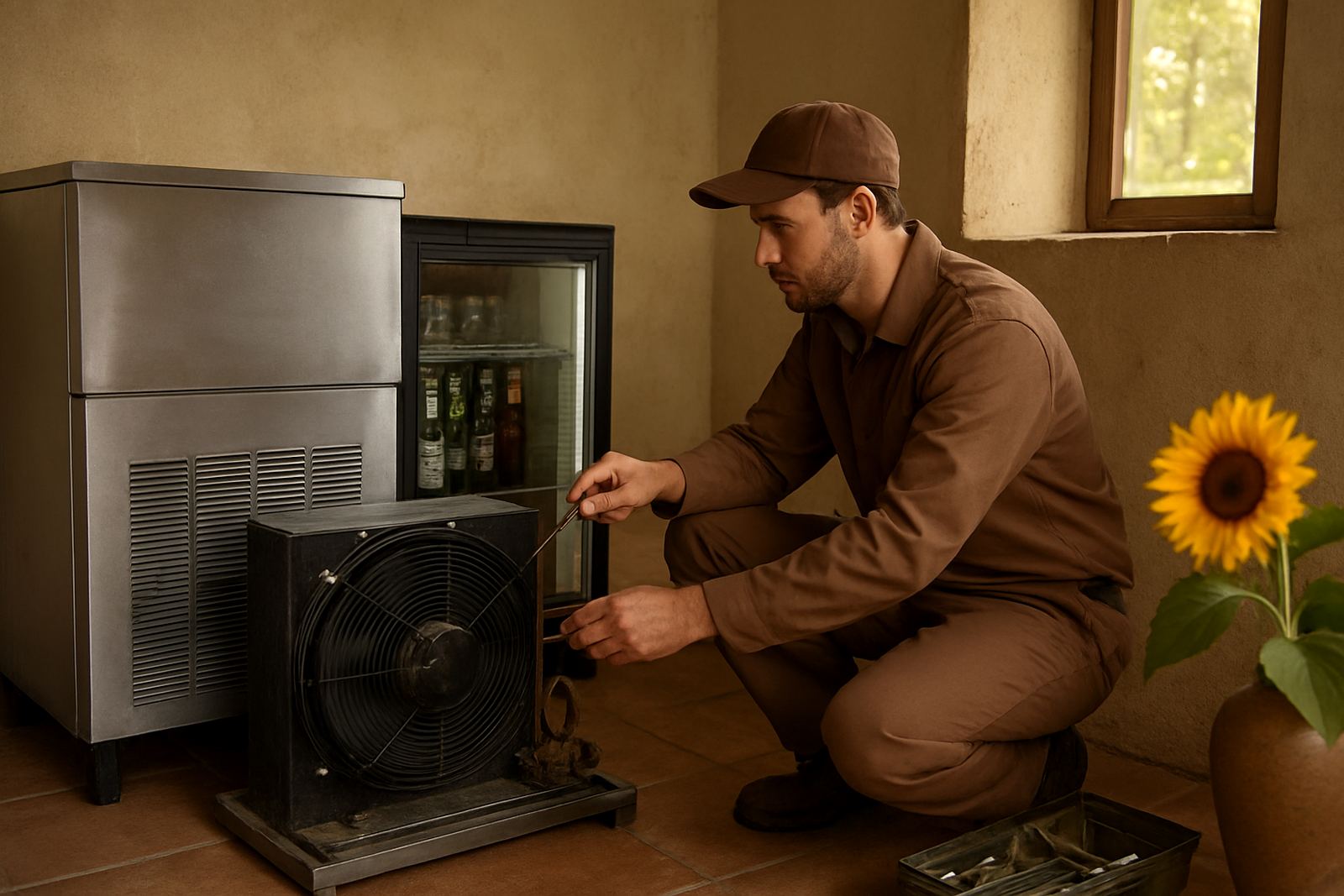
For coastal sites in and around Gqeberha or Jeffreys Bay, salt air can corrode fittings faster than expected. In inland towns like Graaff-Reinet, the issue is often heat gain and dust. We advise on condenser placement, airflow clearance, washable surfaces and service access so a technician can reach filters, valves and electrical parts without shutting half the room down. It saves time later and reduces avoidable callouts.
- Keep condenser units away from direct sun where possible
- Allow space for service access on all sides
- Separate public-facing areas from technical rooms
- Plan a route for cleaning hoses and floor drainage
- Leave room for future monitoring or control upgrades
Common faults we see in funeral facilities
Many breakdowns start as small issues that were easy to miss. A weak door seal, clogged coil, failed fan motor or a controller that is not reading accurately can all push temperatures out of range. If the room has to recover after every door opening, the system may be undersized, or the unit may need a control upgrade and not just another gas top-up.
We also see systems that were installed for a smaller operation and never adapted after the business grew. That often leads to uneven temperatures, ice build-up, noisy operation and higher electricity use. In some cases the fault is electrical rather than refrigeration related, so checking supplies, contactors and control wiring matters just as much as checking pressures. One missed issue can mean repeated callouts and extra stress for staff.
- Dirty condensers reducing heat rejection
- Blocked drains causing water around the room
- Controls set too wide for stable storage
- Worn door gaskets letting in humid air
- Compressors cycling hard during power returns after load-shedding
Low-GWP conversions and older plant retrofits
Some funeral facilities still run older refrigeration systems that use gases with higher environmental impact or parts that are becoming harder to source. A low-GWP conversion can be a practical way to extend the life of sound equipment while reducing environmental load. We assess whether the existing compressor, expansion device, oil type and pipework are suitable before any conversion is recommended.
For chillers and larger cold rooms, energy-saving retrofits can make a real difference to monthly running costs. That may include new controls, improved fans, better insulation, leak detection or temperature monitoring. We keep the advice practical because a funeral facility cannot afford experiments. The plant has to stay dependable, and the upgrade must fit the way the team already works.
Where a system is still mechanically serviceable, a targeted retrofit is often more cost-effective than full replacement. If equipment is near the end of its life, we say so plainly and work through the options with the client.
Budget ranges for maintenance, repairs and upgrades
Costs depend on the size of the facility, the number of cabinets or rooms, and how urgent the problem is. A planned maintenance visit is usually the lowest-cost way to keep the system under control. Emergency breakdown work costs more, especially after hours, on weekends, or when parts have to be sourced quickly in the Eastern Cape. For budgeting, most facilities should allow for routine service spend and a repair reserve each year.
As a practical guide, a small site may spend from about R1 200 to R3 500 for a standard service visit, while larger cold rooms or multiple cabinets can sit higher. Emergency repairs can range from roughly R2 500 to R12 000 or more depending on the fault, parts and travel. Low-GWP conversions and control upgrades are usually quoted case by case, with smaller interventions starting around R8 000 and more involved retrofit work moving well above R30 000. These are broad working ranges, not fixed rates, because access, equipment age and load requirements change the picture fast.
If you are planning a new room or replacing old equipment, it helps to set aside budget for commissioning, temperature monitoring and a follow-up inspection after the first few weeks. That catches issues before they become expensive.
Why facilities choose a service partner with local response
Funeral facilities need calm support and clear communication. When a temperature alarm goes off, staff need to know who is coming, what is being checked, and how long it will take. Nvirocool is based in Newton Park, Gqeberha, with a team that handles planned maintenance, emergency breakdowns, cold room repairs, chiller servicing, leak detection, coil cleaning, control upgrades and temperature monitoring across the region.
Our team includes Anele Mbeki-Jacobs, Ayabulela Ndlovu, Leanne Petersen, Siyabonga Mthembu, Ruan Smit, Nokulunga Dlamini and Yolanda Jacobs. That means there is a clear line from service booking to technical work to client follow-up. We work with the realities of municipal rules, site access times and power interruptions, and we keep the advice direct so decisions can be made quickly. If a unit needs attention after hours, we deal with it without drama.