What our leak detection service covers
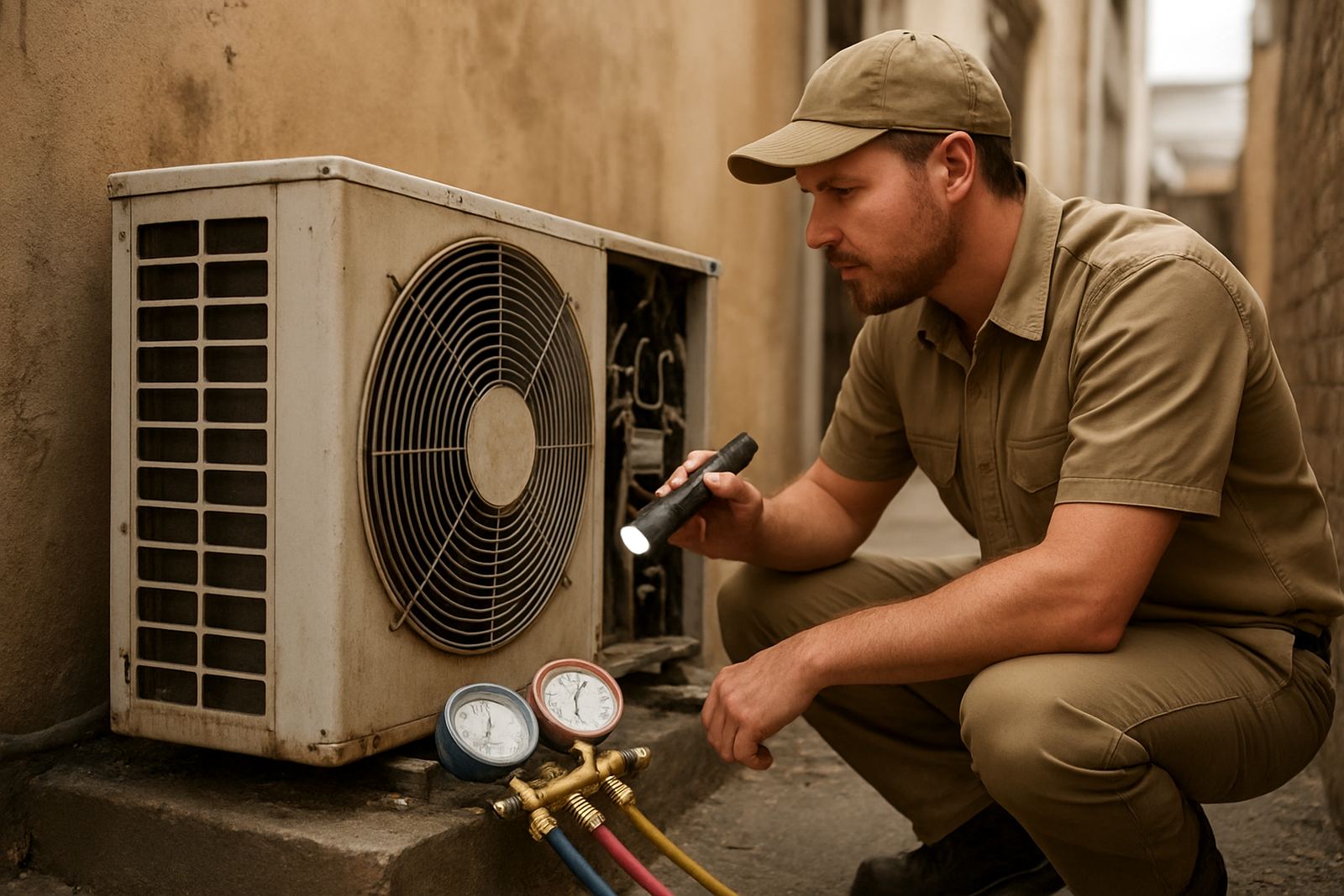
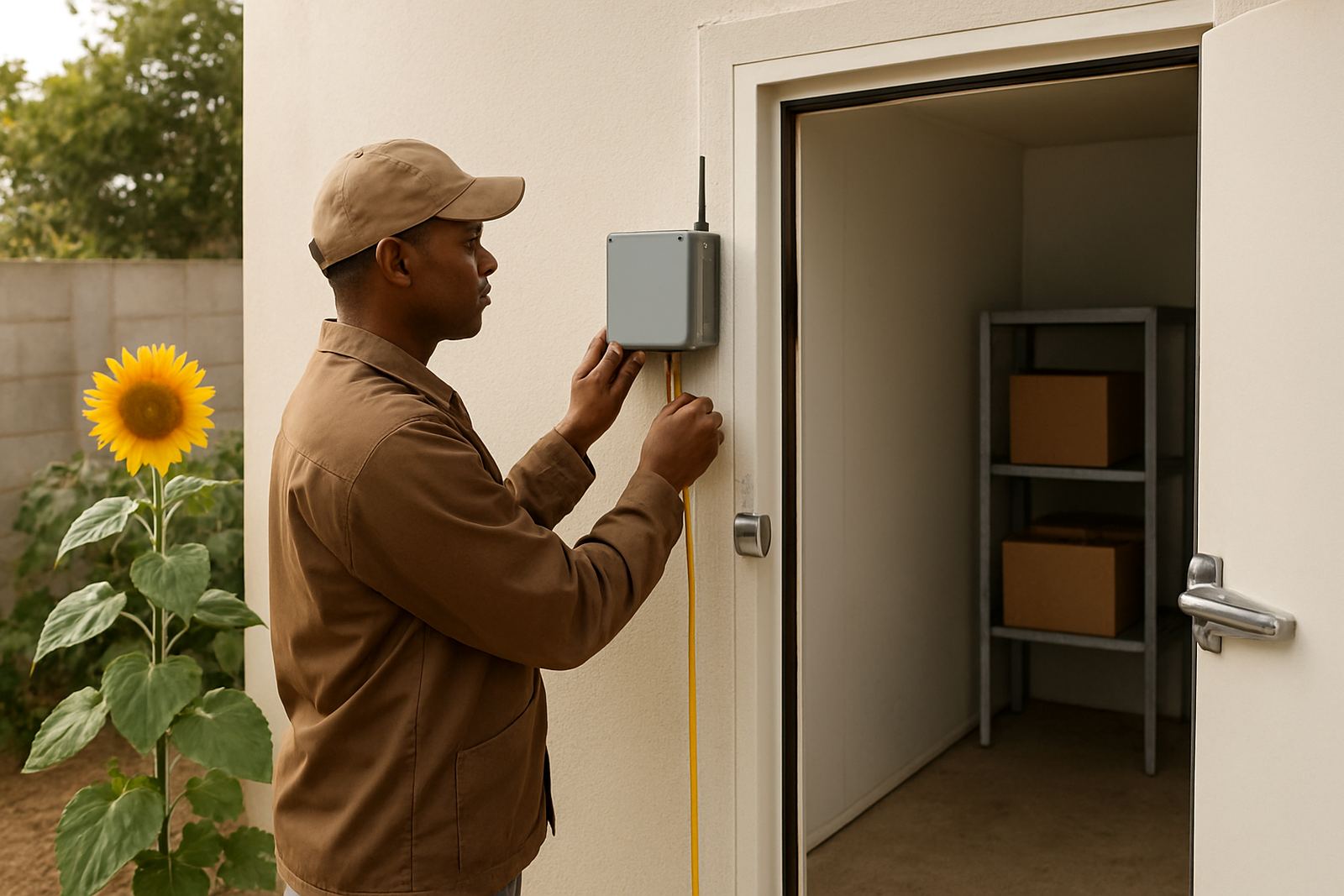
Our leak detection service is for sites that need a clear answer on where refrigerant is escaping and how serious the loss is. We work on cold rooms, split systems, pack systems and process chilling plant used in retail, food handling, storage and light industrial settings. The aim is simple, find the leak, measure the likely rate of loss, and give you a practical repair plan before the system runs low on gas and starts cycling hard.
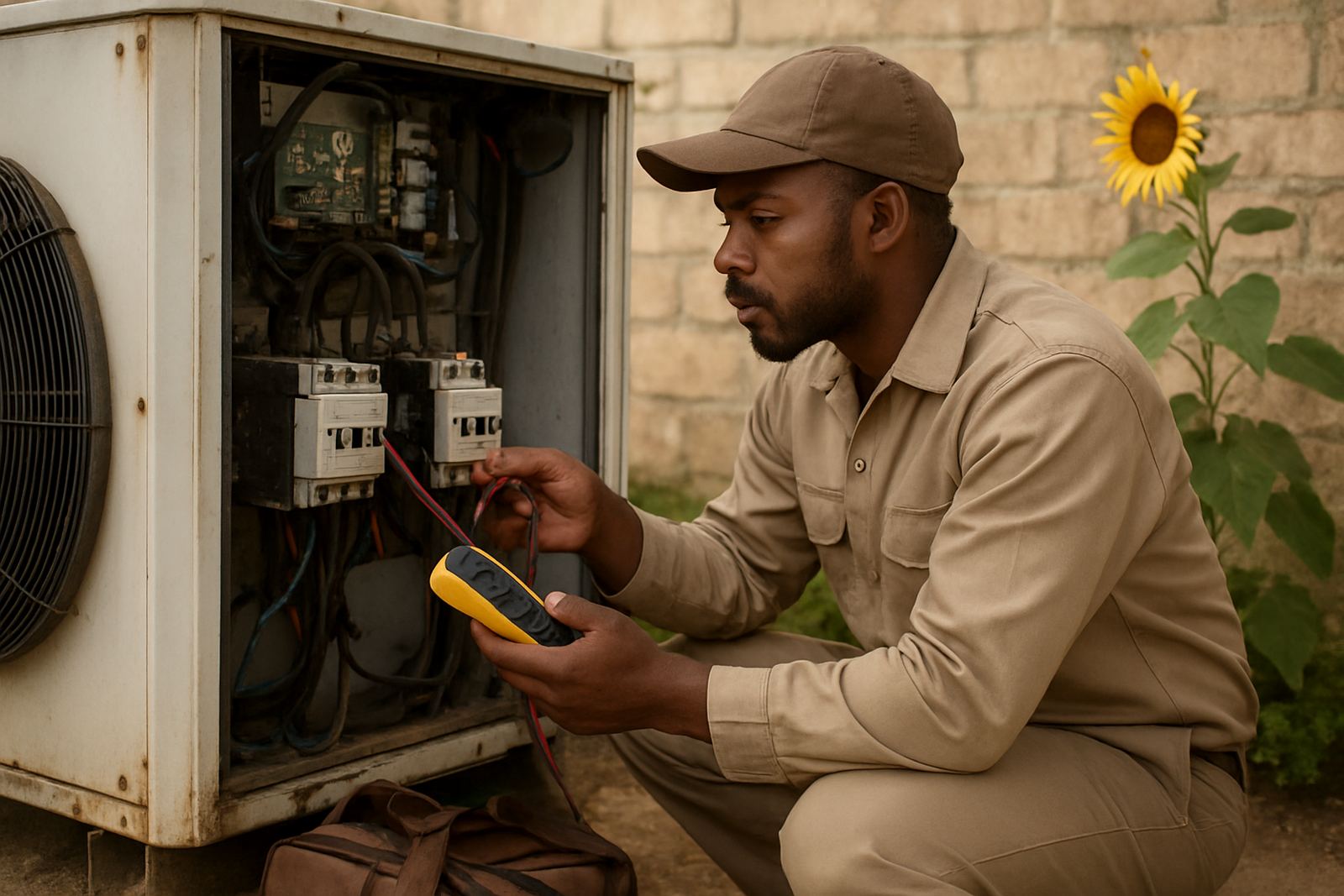
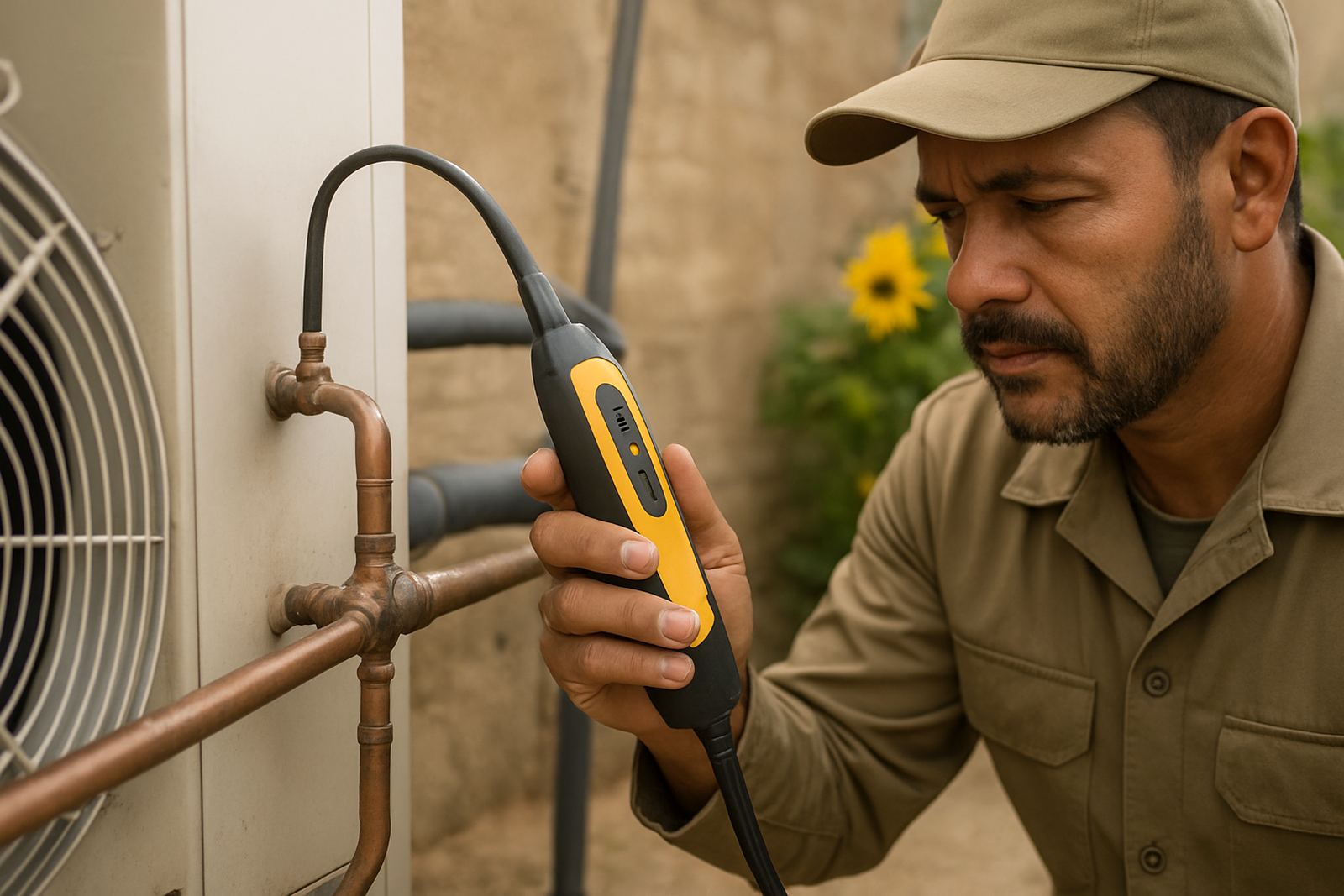
We use electronic leak detection, visual inspection, bubble testing where needed, pressure trend checks and temperature analysis. On larger systems we also compare operating pressures, superheat, subcooling and compressor running amps so we can see whether the issue is a small seep at a fitting or a fault that has been building for weeks. In Gqeberha and coastal towns where humidity and salt air are hard on pipework, joints and coils, early detection saves a lot of damage.
- Electronic sniff testing at likely leak points
- Inspection of flare joints, braze joints, valves and service ports
- Coil, evaporator and condenser checks
- Pressure decay testing where the plant can be isolated
- Run data checks on temperature, amps and operating pressures
How we trace a refrigerant loss on site
We start with the symptom history. That includes when the loss started, how often gas top-ups have been needed, whether alarms have been triggered and whether the equipment is pulling down as normal. Then we inspect the system layout, access points and any recent work that may have disturbed pipework. If a room is underperforming after load-shedding or high ambient weather, we look at the full picture rather than guessing at the leak only.
Our process is practical and site-safe. We isolate sections where possible, check for escaping refrigerant around valves, flare nuts, braze points and receiver fittings, and then move into more detailed tracing if the first scan does not show the fault. On difficult cases we may use nitrogen pressure testing, a tracer mix and soap solution checks. For systems in operating food stores or active warehouses, we plan the work so your stock and staff are not put at risk.
- Initial fault interview and system review
- Site scan of pipework, joints and components
- Electronic detection around high-risk points
- Confirmatory tests on suspect areas
- Leak report with repair priorities
Typical signs your system is losing gas
Many refrigerant losses start small and are easy to miss. You may only notice them when the room takes longer to cool, the chiller starts short-cycling, or the compressor runs longer for the same load. Some systems show frost only on part of the evaporator. Others lose capacity quietly and get topped up again and again, which costs more in gas and usually hides the real fault. A small typo in the service log often means the real trend gets missed for months.
Common warning signs include oil staining on pipe joints, hissing at fittings, low suction pressure, warmer discharge temperatures and repeated low pressure trips. On older plant, vibration at the compressor frame or loose pipe supports can worsen a tiny seep into a larger leak. If you are based near the coast, corrosion can open pinholes in coils and line sets, especially on equipment not cleaned on a set cycle.
Turnaround for emergency and planned tracing
For emergency breakdowns in Gqeberha, Uitenhage, Despatch and nearby industrial areas, we aim to attend as quickly as the site conditions allow and the fault priority demands. If product is at risk, we treat leak tracing as urgent because a low gas charge can damage compressors and make it harder to hold temperature. For planned maintenance visits, we can usually combine leak checks with a service call, coil cleaning or control inspection to reduce repeat call-outs.
Turnaround depends on access, plant size and whether the system can be shut down for pressure testing. A small cold room may be traced in the same visit. A bigger chiller or multi-circuit installation may need staged testing over several hours, sometimes with a revisit once the system has been isolated or operating data has been gathered. We keep the process direct and will tell you upfront if a second visit is sensible.
- Same-day response where workload and location allow
- Planned visits for routine maintenance contracts
- Staged testing for larger plant and multi-circuit systems
Pricing approach and what affects the cost
We price leak detection based on the size of the system, access, the likely time on site and the test methods required. A single cold room with straightforward access is not costed the same as a rooftop chiller plant with multiple circuits, long pipe runs or a system that cannot be isolated easily. If we need nitrogen testing, extended monitoring or repeat visits to confirm the point of loss, that is included in the quotation before work continues.
We prefer to quote clearly rather than guess low and add extras later. If the inspection shows a minor issue that can be repaired immediately, we can often give you a repair option straight away. If the leak is tied to a corroded coil or a badly fatigued joint, we will say so and talk through the repair versus replacement decision with proper figures, not just a rough estimate.
Maintenance intervals that reduce repeat leaks
Leak detection works best as part of a regular maintenance plan. For coastal sites, food stores, cold rooms with heavy door use and chillers running for long hours, we recommend scheduled checks at least every 3 to 6 months. On lighter-use plant, every 6 to 12 months may be enough if the equipment is stable and the service history is clean. If your system has a known leak history, more frequent checks are worth it because refrigerant loss tends to return at the same weak point.
During planned visits we can check pipe supports, vibration points, coils, isolation valves and the condition of access covers. We also look for dirty fins, blocked drains and electrical issues that can make the system work harder than it should. That helps prevent repeat failures and keeps the system easier to maintain during high summer load and load-shedding periods.
- 3 to 6 monthly checks for coastal, high-use or critical sites
- 6 to 12 monthly checks for stable low-risk equipment
- More frequent inspections after repairs on older plant
Key facts
| Detection methods | Electronic leak detector, pressure decay testing, nitrogen test, soap solution checks |
|---|---|
| Typical systems | Cold rooms, chillers, condensing units, split systems, multi-circuit plant |
| Site coverage | Gqeberha, Uitenhage, Despatch, Jeffreys Bay, Graaff-Reinet, Port Alfred |
| Response | Same-day attendance where workload and distance allow |
| Report output | Leak location, fault notes, recommended repair steps and priority ranking |
| Maintenance interval | 3 to 6 months for high-risk sites, 6 to 12 months for stable plant |