What Our Chiller Servicing Covers
Our chiller servicing is set up for the conditions many Eastern Cape sites face, from salty coastal air in Gqeberha to dust, heat and load-shedding stress on plant. We work on process chillers used for production, as well as comfort chillers for offices, retail, healthcare and hospitality spaces. The aim is simple: keep capacity where it should be, catch wear early, and reduce the chance of a surprise breakdown in the middle of a hot spell.
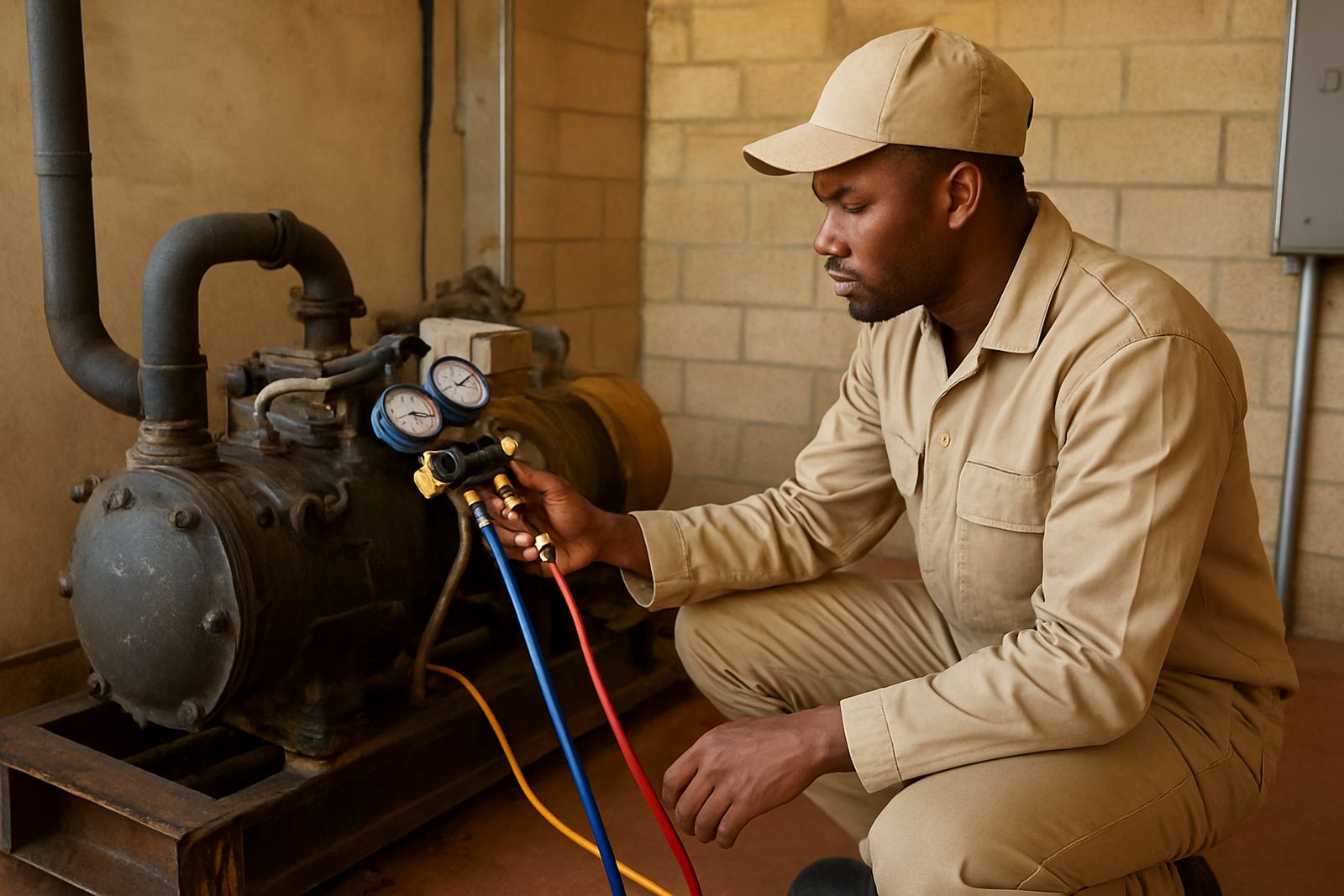
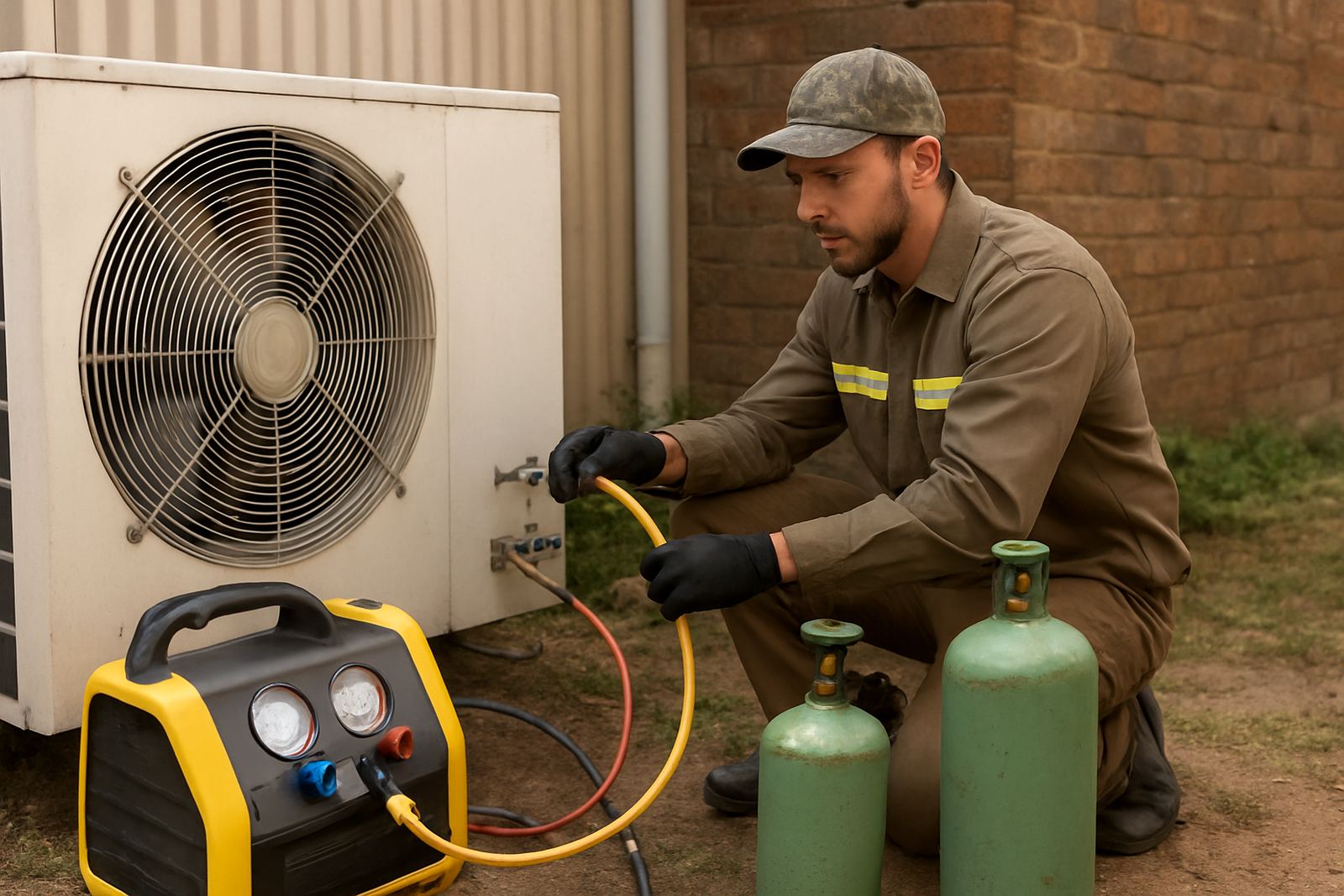
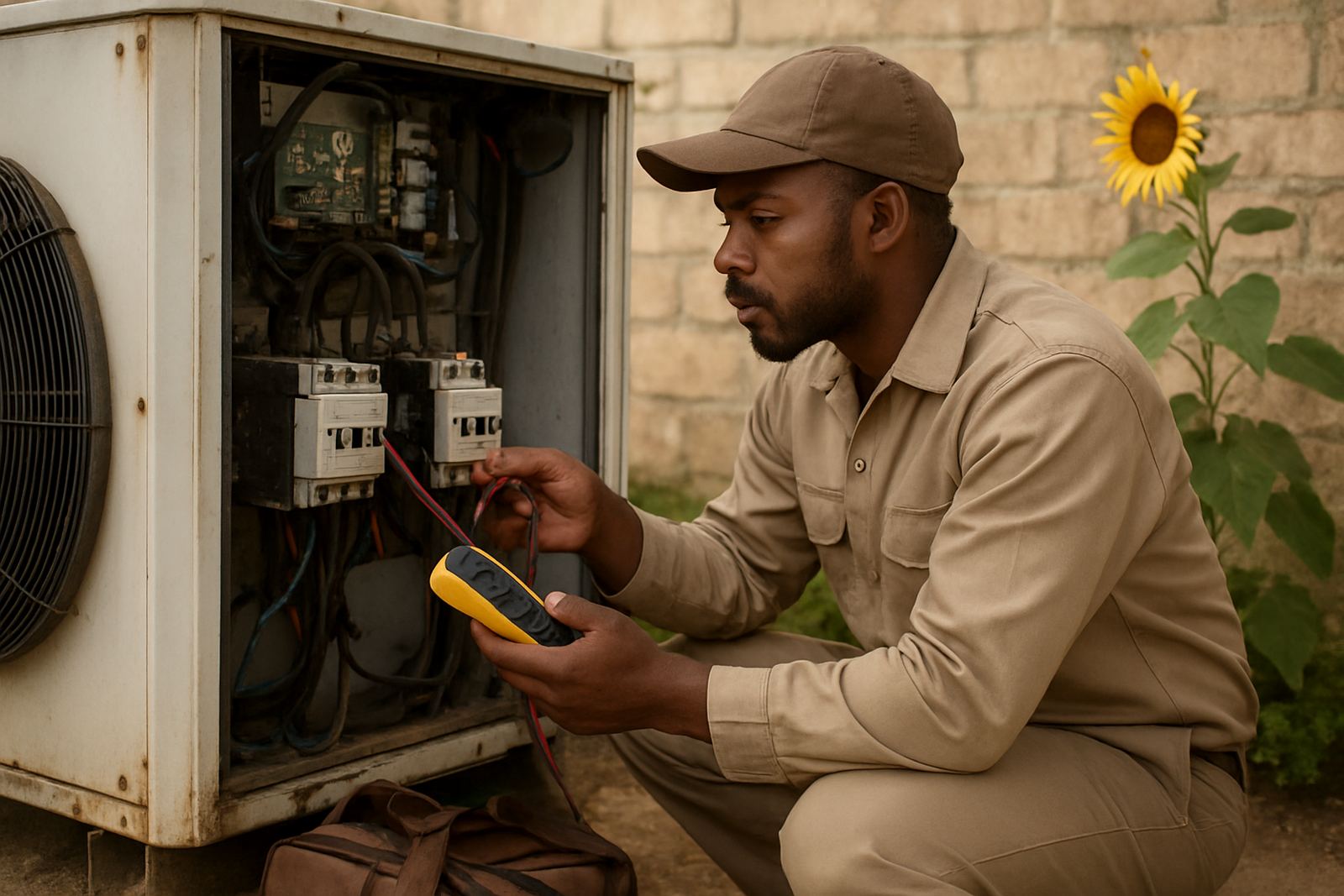
A standard service can include refrigerant pressure checks, suction and discharge temperature readings, electrical inspection, condenser and evaporator cleaning, airflow checks, pump and flow verification, filter inspection, control review and a full visual scan for leaks, oil staining and corrosion. If the unit is showing high head pressure, poor cooling, short cycling or rising power use, we will trace the cause rather than just resetting alarms and moving on.
We also check whether the chiller is still running within the right operating window for the site. That means confirming setpoints, inspecting sensors and checking that the system is matching actual demand. On many sites a small fault in the controls can waste a lot of energy, so the service is not only about keeping the unit cold, it is also about keeping it sensible to run.
Detailed Checks We Carry Out On Site
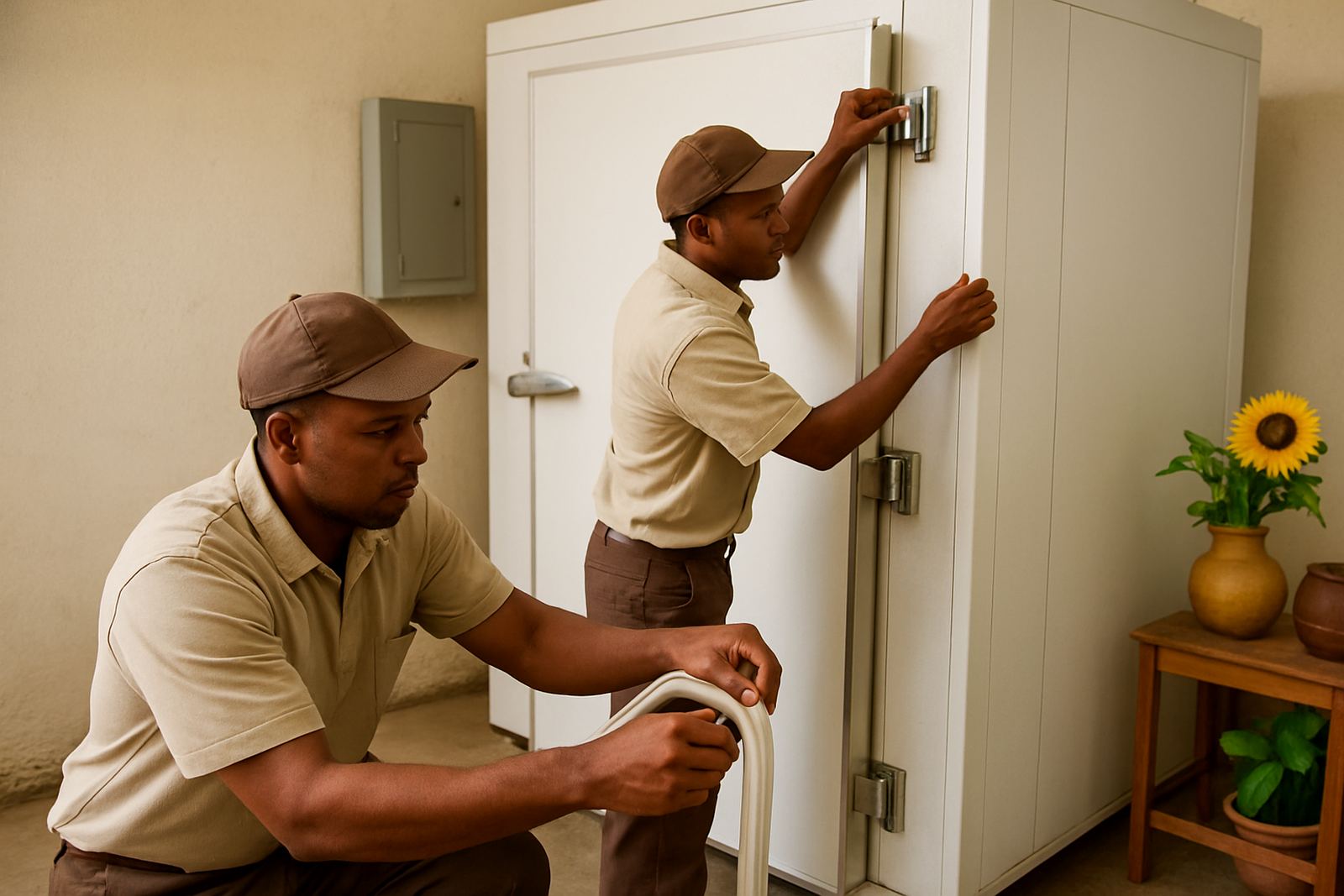
Every chiller is a bit different, but the service process follows a clear checklist so nothing important is missed. For sites in Uitenhage, Despatch, Jeffreys Bay and beyond, we schedule work to suit the plant and the access arrangements. If the chiller is on a roof, in a plant room or next to production, we plan the job around that too.
- Operating pressure and temperature readings taken under load
- Inspection of compressors, contactors, relays and wiring terminations
- Cleaning of condenser fins, tubes or coils where accessible
- Checking fans, motors, belts and vibration points
- Flow switch, pump and strainer inspection on water circuits
- Control panel review, alarm history and sensor verification
- Leak scan on visible pipework, valves and joints
- Review of insulation, corrosion and water quality issues
Where needed, we can recommend follow-up work such as coil repair, control upgrades or a low-GWP conversion plan if the unit is still operating on an older refrigerant. We do not overcomplicate it. You get a clear picture of what is fine, what needs attention now, and what can wait for the next visit.
How We Plan The Service Visit
First we ask for the unit details, the symptoms if there are any, and the site operating hours. Then we set the service scope so our technician arrives with the right tools and test gear. For some systems we may ask for temperature logs, fault history or a quick photo of the nameplate. That helps us prepare and avoid lost time on site.
On arrival the technician isolates the area where needed, confirms safe access and starts with an operational test. We then clean, inspect and measure, with readings compared against expected performance. If the chiller has a known issue, such as a blocked condenser or a tripping fan circuit, we work through the cause step by step instead of guessing. In many cases a good service can prevent a much more expensive breakdown later.
Once the job is done you receive feedback on the condition of the system, any urgent risks, and the maintenance interval we recommend. We keep the language plain. If a component is near the end of its useful life, we say so. If it still has good service life left with regular care, we will say that too.
Turnaround For Planned And Urgent Work
Planned chiller servicing is usually the quickest way to keep costs down because we can combine checks, cleaning and minor adjustments in one visit. For routine work in Gqeberha and nearby areas we aim to book within a practical lead time, and where a site runs critical cooling we try to arrange after-hours or low-impact slots. For breakdown calls, response depends on location, access and the fault, but we do not leave clients waiting without an update.
- Planned servicing for smaller units: often completed in a single visit
- Larger chillers or restricted access sites: may need a staged visit
- Urgent faults: assessment first, then repair plan with priorities
- Repeat visits: arranged where drying out, leak testing or parts lead time is needed
In coastal areas the pace of wear can be faster because of moisture and corrosion, and that often means service intervals need tightening up. We would rather schedule prevention than be called after a unit has already lost capacity on a Friday afternoon, when the whole site is feeling the heat.
Pricing Based On The Unit, Not A Guess
We price chiller servicing according to the system size, type, access conditions, cleaning required and whether extra diagnostics are needed. A small comfort chiller in a manageable plant room will not cost the same as a larger process unit on a roof with limited access and multiple circuits. If the service needs after-hours attendance or additional safety controls, that is built into the quote up front.
Before work starts, we explain what is included and where possible what could fall outside the scope, such as major component replacement, extensive gas recovery or repair of damaged pipework. That way you can budget properly and no one is left guessing once the invoice arrives. For recurring clients we can also align the service plan with annual maintenance budgets and factory shutdown periods.
We work across Newton Park, Port Elizabeth central areas, Uitenhage, Despatch, Jeffreys Bay, Graaff-Reinet and Port Alfred, so transport and travel time are considered in the quote too. The aim is fair pricing that matches the actual job, not a one-size-fits-all rate that hides the detail.
Maintenance Intervals That Make Sense In The Eastern Cape
Most chillers benefit from at least two planned inspections a year, with heavier-use systems often needing quarterly attention. Sites with dusty surroundings, high occupancy, long operating hours or coastal exposure may need more frequent visits. If the unit supports production, food storage, medical areas or tenant comfort, a missed service can be expensive very quickly.
As a guide, we often recommend the following:
- Quarterly for critical process chillers and high-run comfort systems
- Every 4 to 6 months for coastal sites or units with heavy dust exposure
- At least twice a year for standard commercial systems
- Extra checks after power interruptions, storm damage or abnormal alarms
Regular maintenance also helps with energy saving. Clean heat transfer surfaces, correct refrigerant charge, sound controls and steady water flow all reduce wasted power. In a region where load-shedding and heat can both hit performance, that makes a practical difference to operating cost and uptime.
Key facts
| Service type | Chiller servicing for process and comfort systems |
|---|---|
| System types | Air-cooled and water-cooled chillers |
| Typical unit sizes | Small commercial units to multi-circuit plant |
| Checks included | Pressures, temperatures, controls, electrical, flow, cleaning |
| Coverage area | Gqeberha, Uitenhage, Despatch, Jeffreys Bay, Graaff-Reinet, Port Alfred |
| Typical maintenance interval | 2 to 4 services per year depending on load and environment |