What planned maintenance covers on site
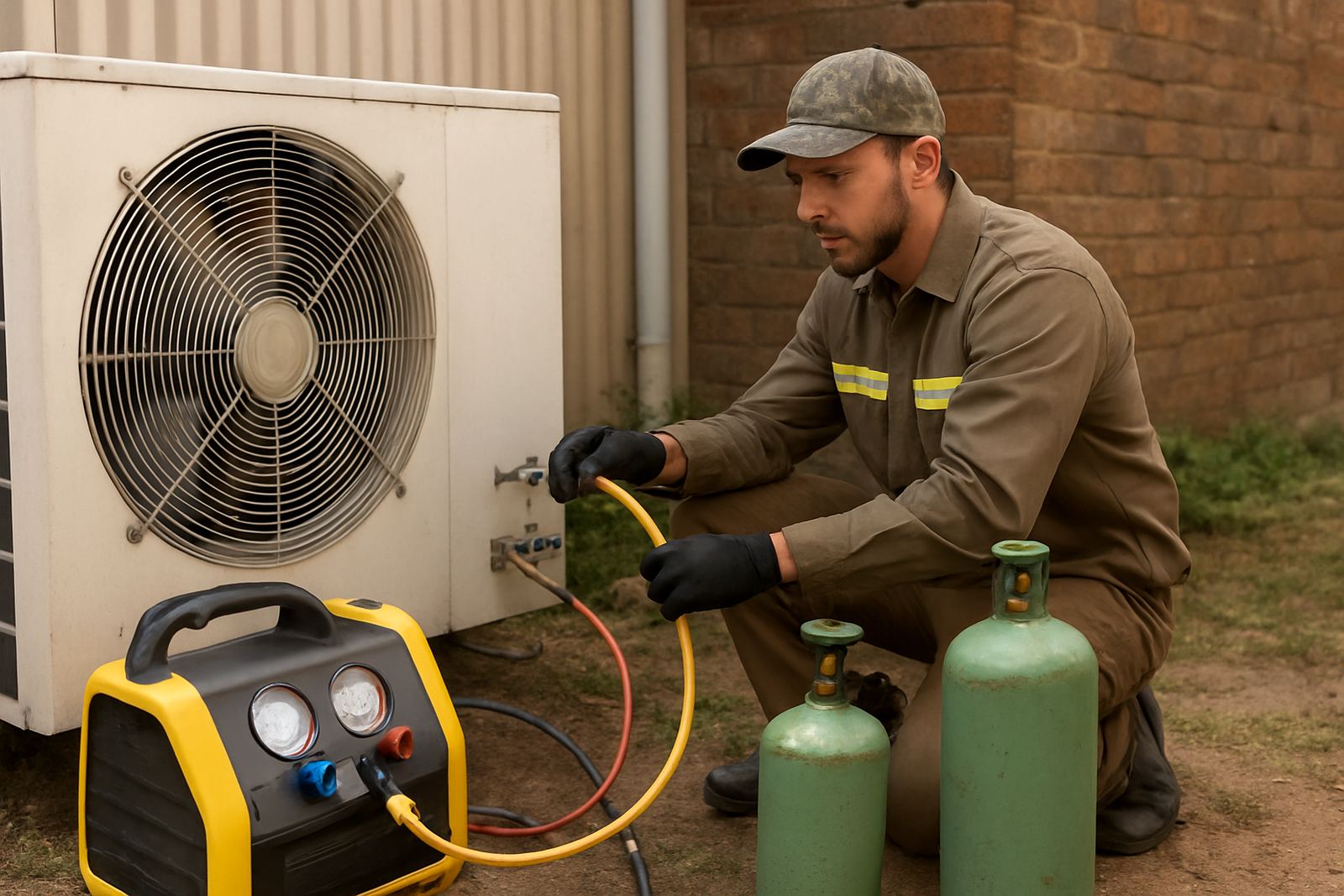
Our planned maintenance service is a scheduled check-up for refrigeration equipment that works hard every day. It suits food stores, butchery cold rooms, distribution centres, kitchens, clinics, workshops and other facilities where stable temperature matters. We inspect the system in a practical way, looking at the parts that most often cause trouble: refrigerant charge, electrical connections, controls, fans, coils, drainage, insulation and operating temperatures.
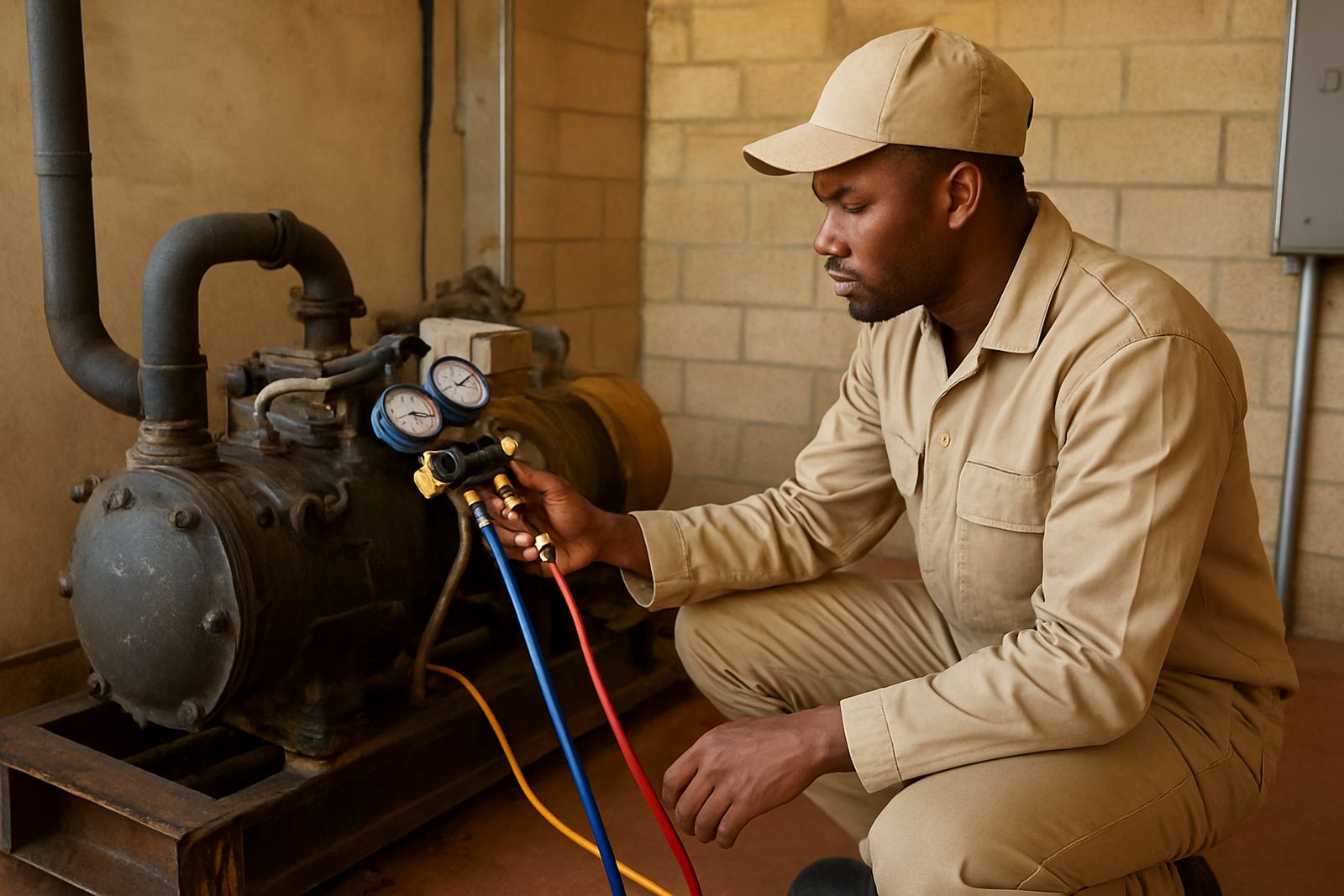
A standard visit normally includes visual checks, cleaning where needed, tightening of terminals, pressure and temperature readings, checking defrost operation, testing safeties and confirming that the plant is not cycling too often or pulling too much power. We also look for early signs of wear such as oil traces, vibration, icing, blocked drain lines and compressor strain. Small issues caught early are usually cheaper to fix than a failed compressor or a warm room full of stock.
- Cold room and chiller plant inspections
- Coil and drain condition checks
- Fan, motor and belt inspection where applicable
- Thermostat, controller and probe checks
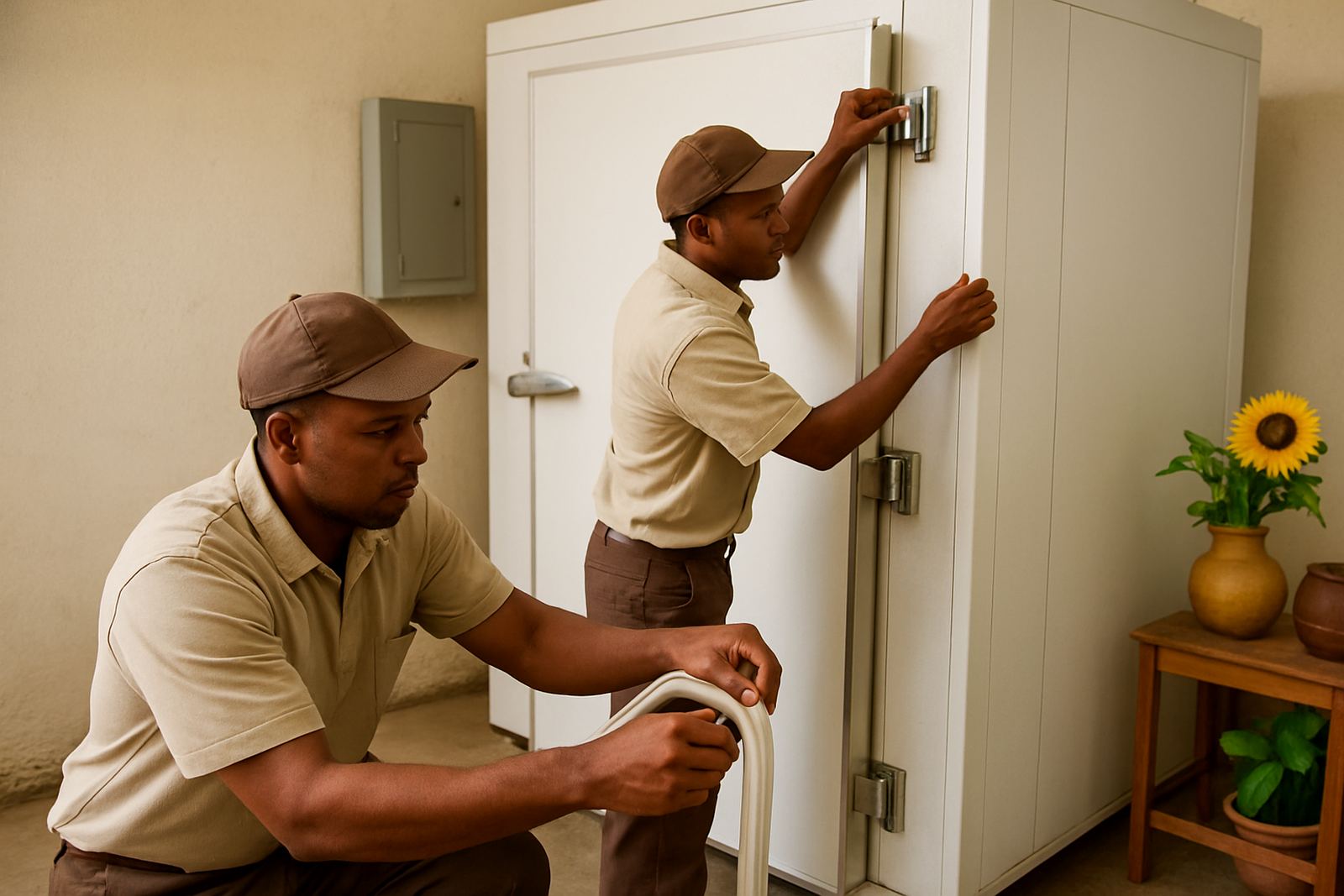
- Door seal and hinge inspection
- Electrical load and connection checks
Why scheduled servicing saves money
Refrigeration plant loses efficiency slowly. A dirty coil, a weak door seal or a sensor that is reading off by a few degrees can push running costs up without anyone noticing straight away. In coastal areas like Gqeberha, salt air and humidity can speed up corrosion, while dust and grease build-up inside kitchens and prep areas can block airflow. Planned servicing helps keep the system working within its proper range so it uses less electricity and holds temperature better during load-shedding recoveries and hot summer days.
For many clients the value is not only in saving power. It is also about avoiding product loss, overtime call-outs and pressure on staff when a unit fails on a Friday afternoon. We set a maintenance routine that fits the equipment and the site, then keep records so you can see what was done and when. That history helps when deciding on repairs, upgrades or a low-GWP conversion later on.
- Lower running costs through cleaner heat exchange surfaces
- Fewer emergency breakdowns and after-hours call-outs
- Better temperature control for stock safety
- Longer service life for compressors, fans and controls
- Useful service history for audits and landlord requirements
How we carry out a maintenance visit
We keep the process straightforward so your team knows what to expect. Before the visit, we confirm the equipment list, site access and any time restrictions. On arrival, our technician or service team checks the plant against the maintenance schedule and records readings in plain terms. If we find anything urgent, we flag it immediately so you can decide on the next step without waiting for a report at the end of the week.
Most visits follow the same working order: isolate where required, inspect, clean, test, reassemble and run the system under observation. If a component needs attention, we explain whether it can be done on the spot or needs a separate repair visit. For sites with several units, we can split the work across a planned programme so not everything is offline at once.
- Pre-visit confirmation of equipment and access
- On-site inspection and readings
- Cleaning of coils, drain lines and surrounding components
- Testing of controls, alarms and safety devices
- Service notes and recommendations after each visit
Typical maintenance intervals for different systems
There is no one-size-fits-all interval, because a small single-phase cold room in Despatch does not work the same way as a multi-compressor chiller plant in a busy Gqeberha site. As a guide, light-duty systems may only need a quarterly check, while high-use plant often needs monthly attention. Coastal installations usually need more frequent coil cleaning and corrosion checks because the environment works against the equipment every day.
We normally recommend setting the interval according to running hours, product value, ambient heat, dust levels and how critical the temperature is. Some sites need monthly preventive checks in summer and two-monthly visits in winter, while others can manage with quarterly servicing and an annual deep clean. If your plant has temperature monitoring, we can use the trend data to adjust the schedule instead of guessing. That keeps the maintenance spend practical and focused on what the system actually needs.
- Monthly for high-load or critical refrigeration plant
- Every 6 to 8 weeks for coastal sites or dusty environments
- Quarterly for smaller, stable systems
- Annual deep service for backup units and low-use plant
What we include in the report and follow-up
Every planned maintenance visit should leave you with more than a ticked checklist. We provide clear notes on the condition of the system, readings taken on site, items cleaned or adjusted, and anything that needs repair soon. Where useful, we also note the likely cause of repeated faults, such as short cycling, frozen evaporators, water leaks from blocked drains or temperature swings caused by poor control settings.
If we spot an issue that needs more than routine servicing, we can quote for the extra work separately so you are not paying maintenance prices for repair work. That may include replacement of sensors, contactors, fan motors, pressure controls or damaged insulation. We keep the pricing structure practical and transparent, with maintenance charged on the basis of the system size, number of units, site conditions and the interval agreed. For multi-site clients, we can prepare a service plan that spreads the cost over the year instead of hitting one month hard.
- Service report with findings and readings
- Priority list of repairs or upgrades if needed
- Recommendations for energy-saving adjustments
- Costed follow-up work quoted separately
Why Eastern Cape sites choose a local service plan
Sites in Gqeberha, Uitenhage, Jeffreys Bay, Port Alfred, Graaff-Reinet and Despatch face very different conditions, from salty sea air to inland dust and heat. A local maintenance plan takes those conditions into account instead of treating every system the same. That matters when refrigeration supports stock, production or patient care and you need a team that understands the realities of municipal supply interruptions, generator changeovers and the strain that load-shedding puts on equipment.
Our approach is to keep the plant running steadily, not just react when something fails. That means making sure each visit has a purpose, each reading means something, and each recommendation is worth acting on. If your equipment is due for low-GWP conversion, a control upgrade or an energy audit later on, planned maintenance gives us the baseline we need to advise properly. It is a practical starting point for better performance year after year.
Key facts
| Service area | Gqeberha, Uitenhage, Despatch, Jeffreys Bay, Graaff-Reinet and Port Alfred |
|---|---|
| Typical visit time | 1 to 4 hours per system, depending on size and access |
| Maintenance intervals | Monthly, two-monthly, quarterly or annual, based on load and site conditions |
| System types | Cold rooms, chillers, remote condensers, packaged units and controls |
| Main checks | Temperatures, pressures, electrical connections, coils, drains, fans and safeties |
| Response on issues found | Urgent faults flagged on site, with repair quotes prepared separately |