What an Energy Audit Covers
An energy audit is a structured site review of how your cold rooms, chillers and controls are actually running day to day. We look beyond the nameplate ratings and check where electricity is being lost through short cycling, poor setpoints, dirty coils, weak door seals, incorrect defrost settings and control drift. In many sites the biggest savings come from small fixes, not major replacements.
For refrigeration-heavy businesses in Gqeberha, Uitenhage, Despatch, Jeffreys Bay and the wider Eastern Cape, load-shedding, coastal humidity and ageing equipment all add pressure to running costs. We check whether the system is sized correctly for the workload, whether temperatures are being held within target ranges, and whether the plant is working harder than it should during warm afternoons or after power interruptions.
- Cold room and chiller operating checks
- Temperature and setpoint review
- Defrost cycle and door usage review
- Controls, timers and sensor checks
- Coil, fan and airflow condition
- Simple savings opportunities with payback estimates
Typical Findings on Site
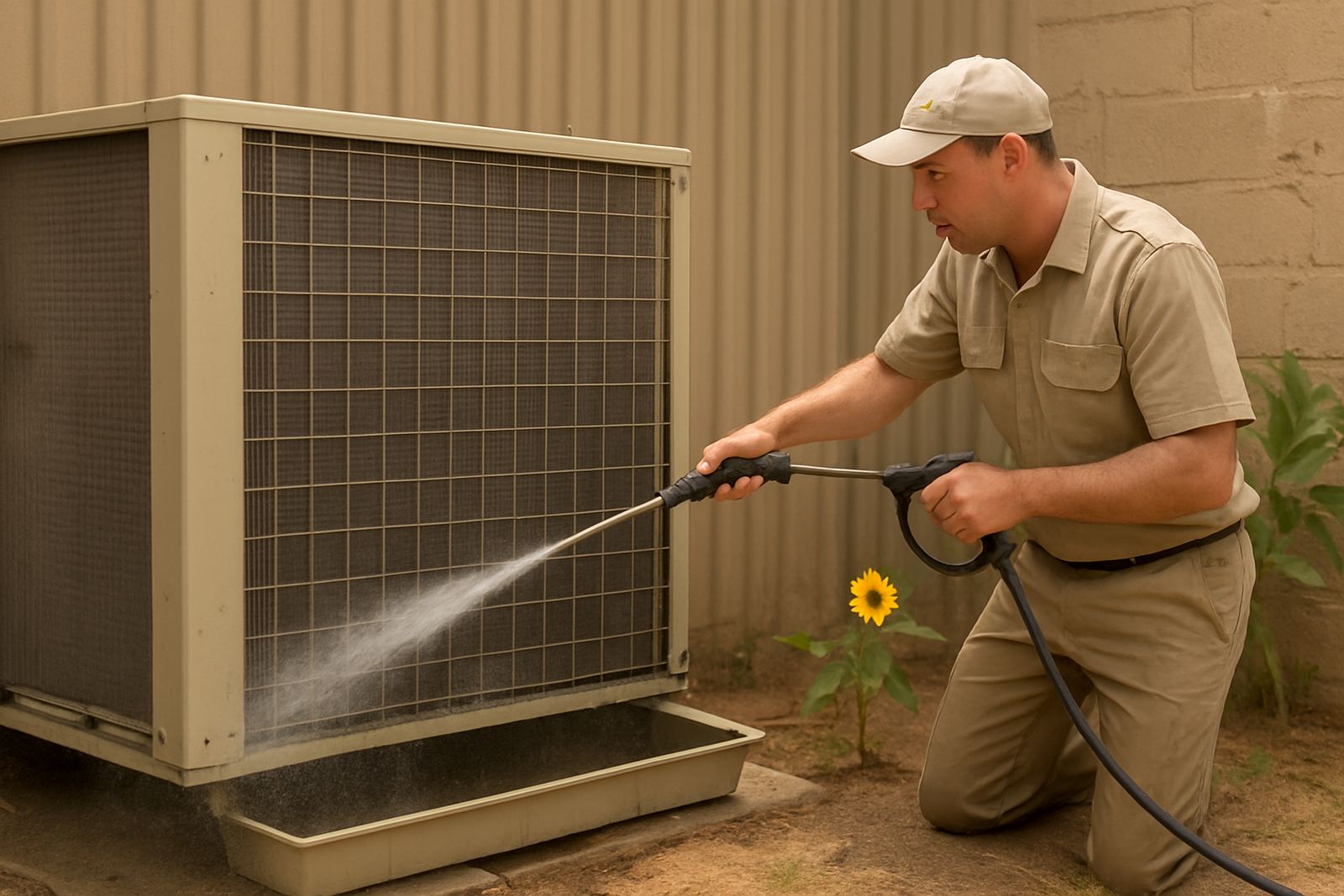
Most audits pick up a mix of mechanical, electrical and operational issues. A dirty condenser or evaporator can lift head pressure and push compressor amps up. A faulty thermostat or sensor can keep equipment running longer than needed. In some sites, staff habits matter just as much as hardware, for example doors left open during busy receiving times or stock packed too close to evaporator faces.
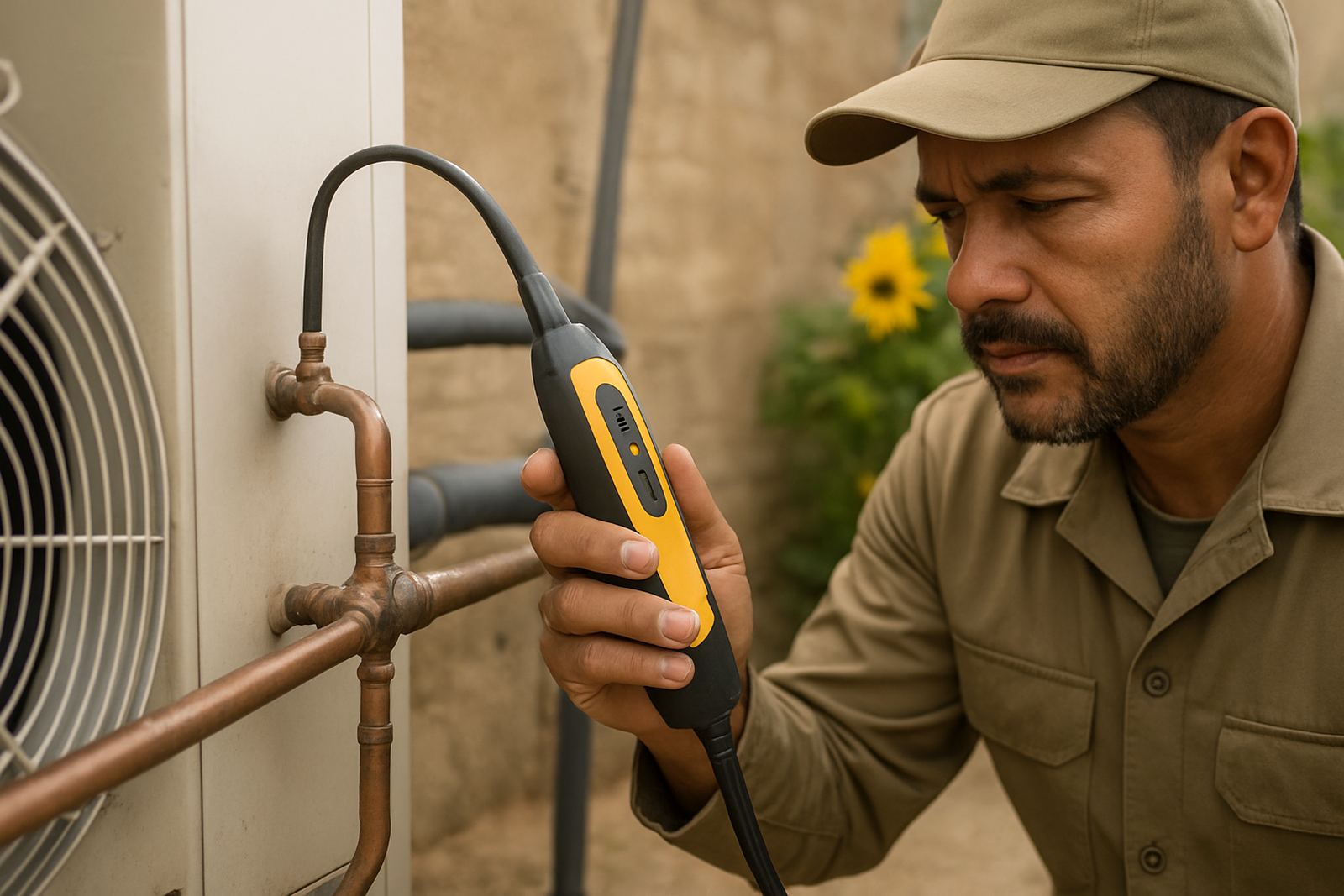
We also check for refrigerant losses and control problems that quietly increase power draw. A system that is low on gas may still cool, but it can run longer and use more electricity while risking product temperature swings. Where appropriate we flag lighting loads inside cold rooms, fan operation after-hours, and whether the plant is cycling efficiently during quieter periods. Small changes can make a noticeable difference on the municipal account, especially where tariffs and demand charges are rising.
- High compressor run hours
- Short cycling and unstable temperatures
- Faulty door heaters or seals
- Dirty heat transfer surfaces
- Poor sensor placement
- Unnecessary after-hours operation
Our Audit Process Step by Step
We keep the process practical and site-friendly. The first step is a brief call or email to confirm the type of plant, the size of the cold rooms or chillers, and any current trouble spots. After that, our team books a site visit from Newton Park, Gqeberha and plans the inspection around your trading hours where possible.
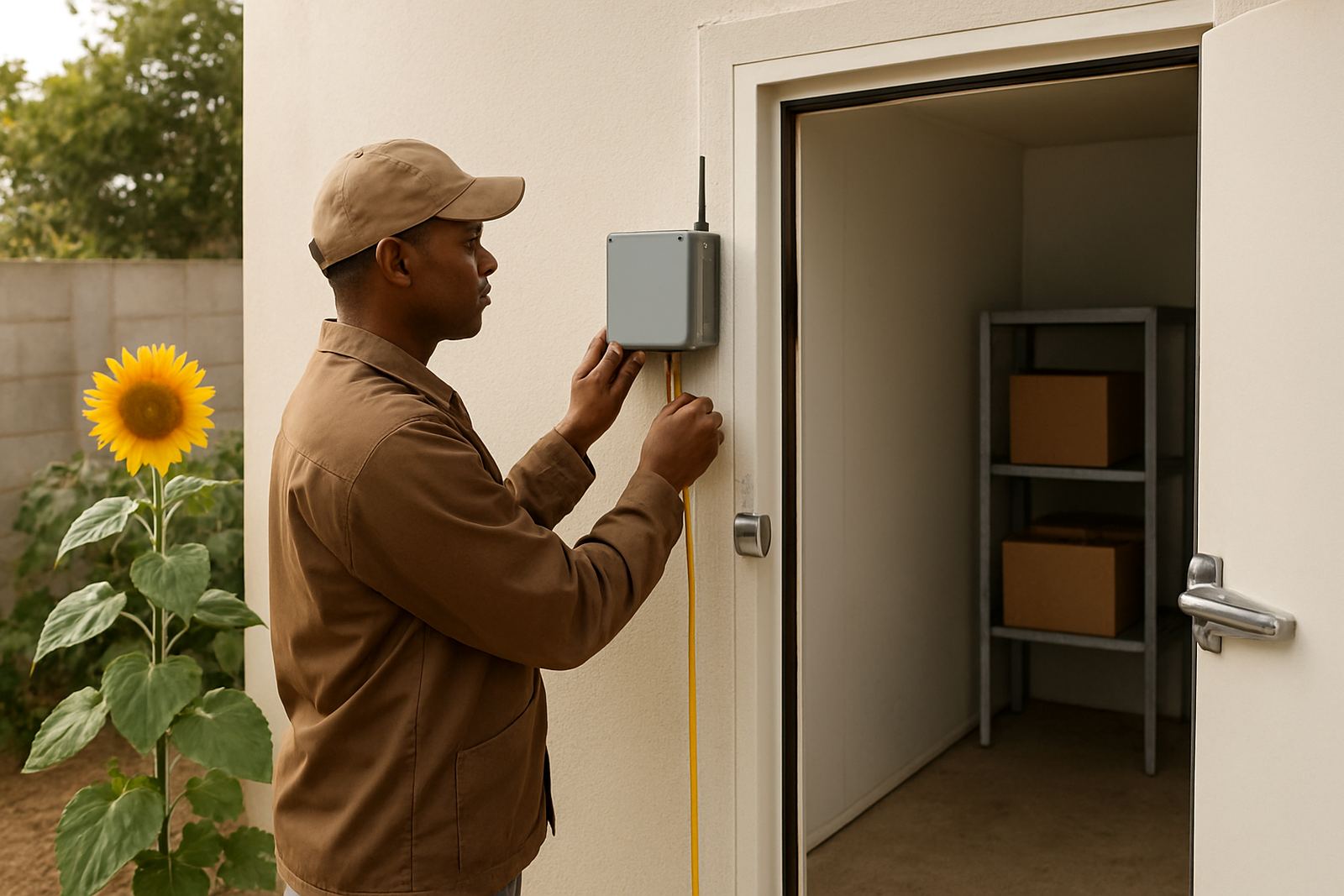
On site, we inspect the equipment, record temperatures, check controls and review the operating pattern. Where useful, we take clamp readings, compare running times and inspect coils, fans, sensors, insulation and door hardware. For larger sites we can monitor key values over a short period to see how the system behaves during peak load, after defrost and during power returns. After the visit, you get a clear findings summary with priority actions, likely savings, and a practical order for fixing the issues.
- Initial intake and site scope confirmation
- Physical inspection of cooling plant and rooms
- Measurements, readings and control checks
- Findings report with priorities
- Recommended actions and maintenance intervals
What You Receive After the Audit
The output is meant to help you make decisions, not sit on a shelf. We provide a written summary that separates quick wins from longer-term upgrades, and where the numbers support it we show the likely impact on electricity use and equipment wear. If a control upgrade, coil clean or leak repair will pay back faster than a bigger retrofit, we say so plainly.
Reports can include notes for landlords, facility managers and compliance teams where temperature records or maintenance proof is needed. That matters for food businesses, packhouses and distribution sites that must show due care during inspections or customer audits. If you need follow-up work, our technicians can quote the repairs, cleaning or control changes that came out of the review. We also make sure the advice fits real local conditions, not textbook figures that ignore heat, humidity and power cuts.
- Prioritised action list
- Estimated saving opportunities
- Maintenance notes for each asset
- Repair and retrofit recommendations
- Optional follow-up quotation for works
Pricing and Turnaround
Pricing depends on the number of cold rooms, chillers and control points on site, plus whether the audit is a basic walk-through or a more detailed measurement-based review. A small café or butcher shop will not need the same level of time as a packhouse, hospital, hotel or multi-room distribution site. We keep pricing transparent and confirm the scope before we start.
For straightforward sites, turnaround is often within a few working days from booking to report. Larger facilities, or sites that need after-hours checks and additional monitoring, may take longer. In busy periods or after storms and load-shedding related faults, we will say up front what can be done immediately and what needs a follow-up visit. If you are in Graaff-Reinet, Port Alfred or Jeffreys Bay, we plan travel time into the booking so there are no surprises.
Where clients want a phased approach, we can start with the highest-use equipment first and expand the audit later. That is often the best option when budgets are tight or when the plant has not been reviewed in years.
Keeping Savings in Place
An audit only helps if the recommendations are kept up over time. That is why we also advise on maintenance intervals, cleaning cycles and temperature checks that protect the savings once the initial work is done. In coastal areas, salt air and moisture can speed up corrosion and dirty fin buildup, so condenser and evaporator care should not be left too long.
As a guide, many sites benefit from a monthly visual check, quarterly coil cleaning where conditions are harsh, and a six-monthly review of controls, sensors and temperatures. Heavier-duty plants or sites with high door traffic may need shorter intervals. If your business has experienced repeat breakdowns, rising kWh usage or product temperature complaints, it is worth pairing the audit with planned maintenance rather than waiting for a failure.
Nvirocool works with businesses that want practical savings, not gimmicks. We focus on what can be fixed now, what should be monitored, and what deserves a capital plan later.
When to Book an Audit
Book an energy audit if your electricity bill keeps climbing, if cold rooms are cycling more than they used to, or if you have recently added new equipment and want to know whether the plant is coping. It is also useful after a chiller retrofit, low-GWP gas conversion or major repair, because good results should be checked against actual running costs.
Businesses in Gqeberha and the Eastern Cape often call us after noticing uneven temperatures, warmer than usual storage conditions, or higher costs during summer. Others book audits as part of a planned maintenance strategy before the busy season. Either way, the goal is the same: find waste early, protect product quality and make the cooling system cheaper to run.
Key facts
| Service area | Gqeberha, Uitenhage, Despatch, Jeffreys Bay, Graaff-Reinet and Port Alfred |
|---|---|
| Audit focus | Cold rooms, chillers, controls, coils, fans, sensors and operating patterns |
| Typical visit length | 2 to 6 hours depending on site size and number of assets |
| Report turnaround | Usually within a few working days |
| Measurement options | Temperature readings, amp checks, runtime review and short-term monitoring |
| Review frequency | Monthly visual checks, quarterly to six-monthly technical reviews depending on site conditions |