What a Low-GWP Conversion Covers
A low-GWP conversion is more than a gas top-up or a quick refrigerant swap. We look at the full system so the new refrigerant suits the compressors, pipework, controls, expansion devices and the way the plant is used on site. For food stores, warehouses, schools, packhouses and light industry in and around Gqeberha, that means planning for product safety, load stability and practical maintenance after the changeover.
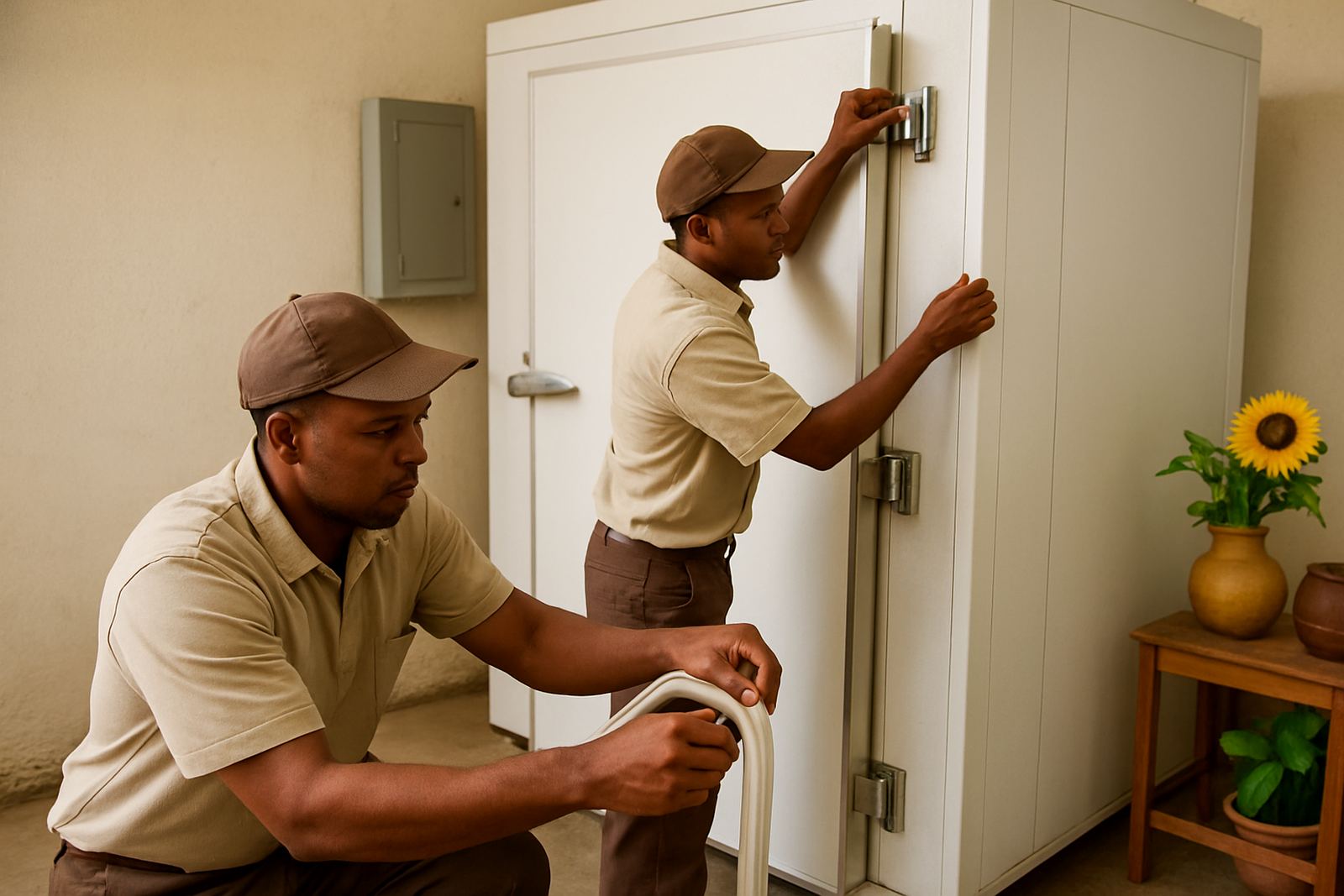
We work on systems that serve cold rooms, bottle coolers, display cabinets and chilled water plant. Where possible we retain the existing equipment and convert it in stages, which keeps capital spend lower than a full replacement. On older plant, especially where the current refrigerant is being phased down or the system is losing charge often, a conversion can bring the plant back to a serviceable standard without starting from scratch.
- Refrigerant suitability checks for compressors, oil type and operating pressures
- Expansion valve and control review for stable superheat and temperature pull down
- Leak risk review on joints, valves, sight glasses and service points
- Label updates and service records for compliance tracking
How We Plan the Conversion
Every job starts with a site visit and a system survey. Siyabonga Mthembu and Ruan Smit check the refrigeration circuit, confirm the existing gas, assess the age of the equipment and look for signs of wear that could affect the changeover. We then advise whether the plant is a good candidate for conversion, or whether it needs repair work first. That step matters because a conversion should not mask a failing compressor or a chronic leak.
The planning stage also covers stock availability and downtime windows. In a working cold room, we try to line up the changeover with quieter trading hours, after deliveries or over a planned shutdown. For clients in Jeffreys Bay or Port Alfred where access can take longer, we build in travel and parts lead time so the team is not left waiting on site.
- Initial inspection and fault finding
- Compatibility check against the proposed low-GWP refrigerant
- Parts list and schedule for the changeover
- Confirmation of shutdown time and restart procedure
Conversion Steps On Site
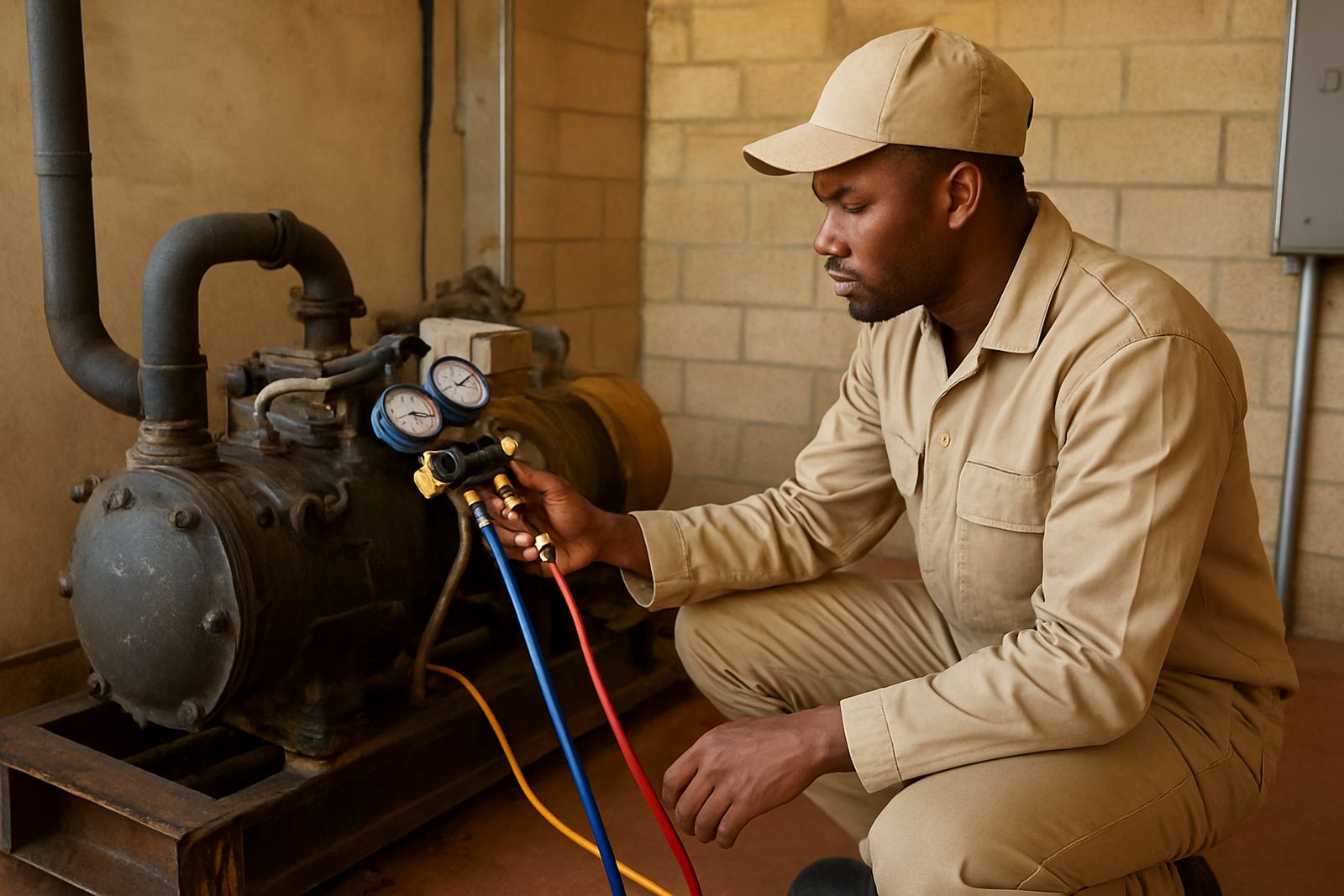
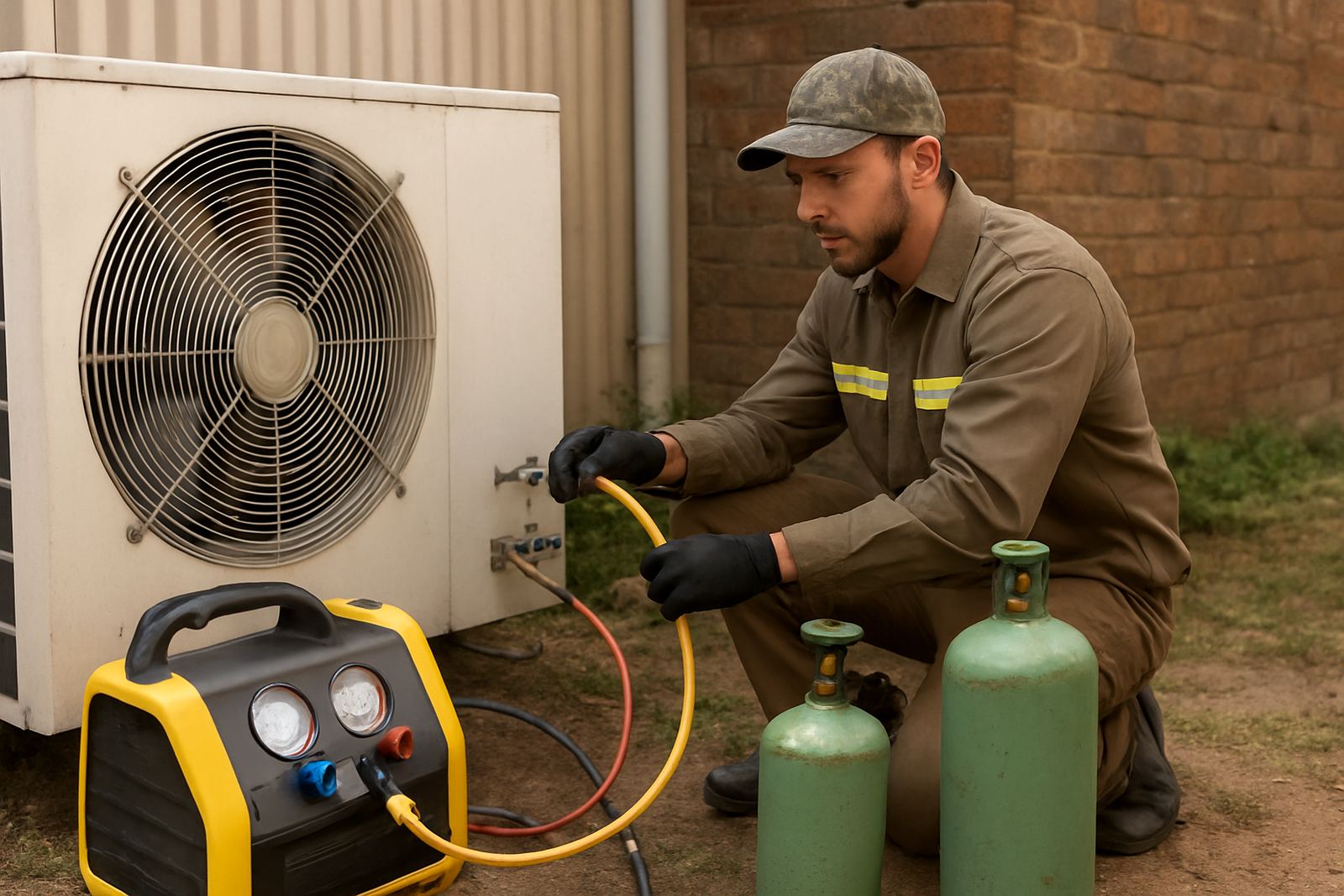
On the day of the work, we recover the existing refrigerant safely and weigh the amount removed. The system is then opened for any required component changes, which may include driers, seals, service valves, expansion device settings, pressure controls and electrical checks. We clean contact points, inspect for oil residue and test for leaks before charging the new refrigerant.
Once the new refrigerant is added, we set the operating charge carefully and run the plant through start-up, pull-down and holding conditions. This lets us check suction pressure, discharge pressure, evaporator performance and compressor amperage. If the system needs fine tuning, we adjust it before handing it back. Small system details matter here, because one bad setting can throw off the whole room temperature.
- Recovery and weighing of old refrigerant
- Replacement of consumables where needed
- Leak testing with pressure and electronic detection
- Vacuum pull-down and controlled charging
- Live testing under operating load
Turnaround Times and Downtime Control
Most straightforward conversions can be completed in one to two working days, depending on system size and parts needed. A smaller cold room with a clean service history may only need a single day, while a larger plant or a system with leaks, failed controls or contaminated oil can take longer. We do not promise a rushed finish if it will compromise the result.
For emergency situations where the current refrigerant is unavailable or the plant is repeatedly tripping, we can step in with a temporary stabilising plan while the conversion is prepared. That may include leak repair, gas recovery, component replacement or a temporary operating adjustment to protect stock. In summer, when ambient temperatures climb and rooms are under pressure, this kind of sequencing helps avoid product loss.
Ayabulela Ndlovu schedules the labour, transport and follow-up so the site knows who is arriving and when. Yolanda Jacobs keeps clients updated if a part is delayed, and Leanne Petersen handles the paperwork for quoted work and job sign-off. It keeps the process plain and practical, which is what most sites want when a cold room is down.
Pricing Built Around the Equipment, Not a Guess
We price low-GWP conversions according to the actual system condition, refrigerant type, access needs and any replacement parts required. There is no honest flat rate for every job, because a 3 metre by 4 metre cold room in Despatch is not the same as a multi-evaporator chiller plant in Newton Park. The quote should show what is included, what is excluded and where the risks sit.
Our pricing approach usually includes labour, recovery, vacuum, charging, service materials and basic commissioning. Where a client wants monitoring, extra controls or an energy audit as part of the same visit, we quote that separately so the numbers stay clear. If the system needs pipe modifications or compressor replacement, we point that out before work starts. That saves time later and helps with budget planning.
For established clients, we can phase the work over more than one visit if the budget or shutdown window demands it. A planned conversion is nearly always better value than an urgent repair after a refrigerant phase-out or a summer breakdown, especially when stock at risk is high.
Maintenance After the Changeover
A conversion is only as good as the maintenance that follows it. New refrigerants may run at different pressure ranges or respond differently to dirty coils, weak fans and lazy controls. We usually recommend follow-up checks after the first 2 to 4 weeks of operation, then routine servicing every 3 months for busy sites or every 6 months for lighter duty equipment.
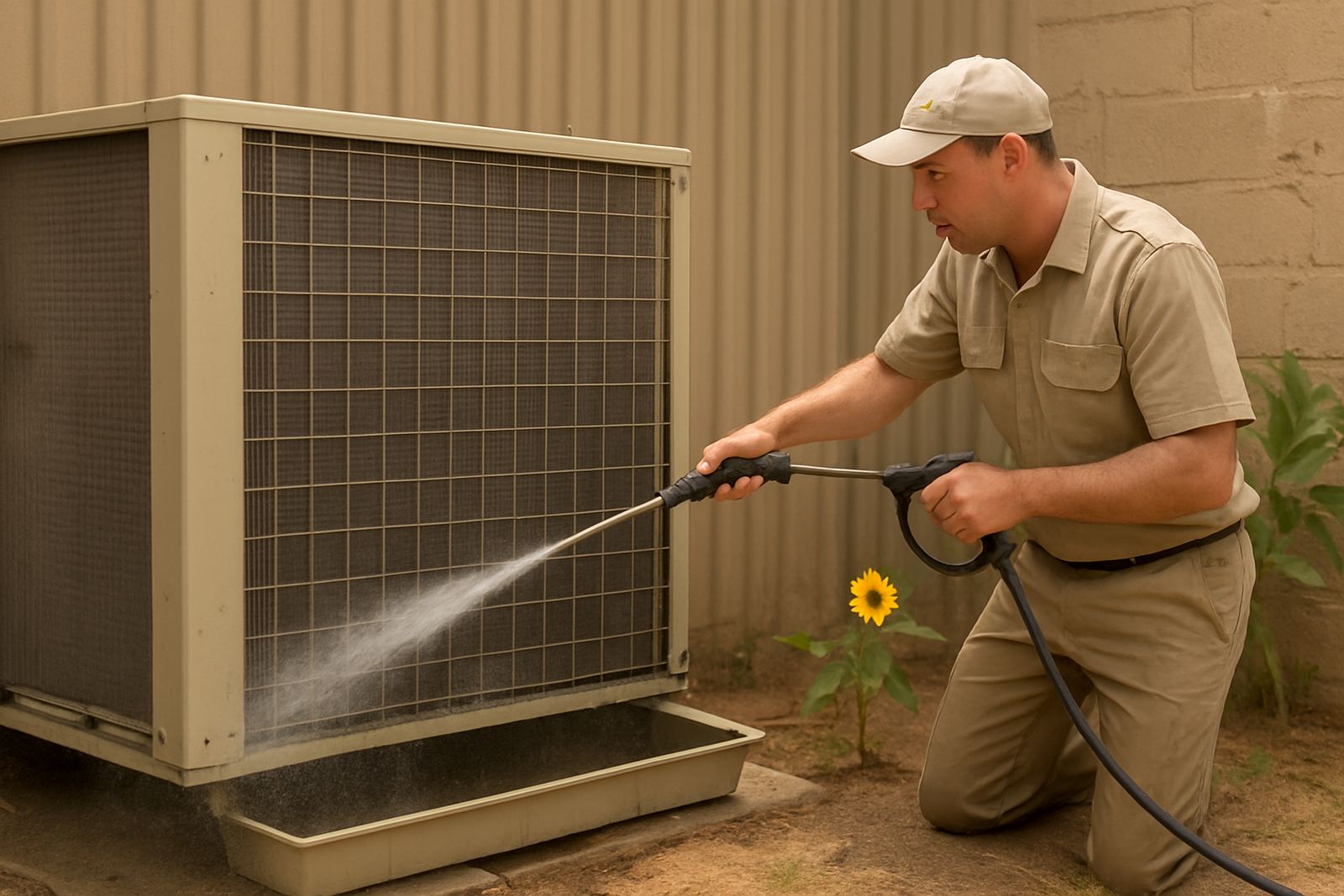
During maintenance visits we check superheat, subcooling, charge stability, fan performance, insulation condition and any signs of oil return problems. We also inspect for fresh leaks because a converted system that leaks again soon after start-up usually has an unresolved fault. For coastal clients in Gqeberha and Jeffreys Bay, extra attention is paid to corrosion on terminals, brackets and pipe supports. It is a small thing that often gets missed.
- Post-conversion check after 2 to 4 weeks
- Quarterly servicing for high-use cold rooms and chillers
- Six-monthly servicing for lower-use systems
- Immediate follow-up if alarms, icing or abnormal running starts
Where We Work and Who Handles the Job
Nvirocool is based in Newton Park, Gqeberha and works across Gqeberha, Uitenhage, Despatch, Jeffreys Bay, Graaff-Reinet and Port Alfred. We support supermarkets, warehouses, restaurants, schools, farms and light industrial sites that need refrigeration to stay within temperature limits. Our team was set up in 2011 and we still keep the same focus: practical refrigeration work that makes sense on site.
AnEle Mbeki-Jacobs leads the business, with support from a team that knows the value of good service notes, clean handovers and clear communication. Whether the job is a single cold room conversion or part of a wider energy-saving retrofit, the goal is the same. Keep the plant safe, keep the temperatures steady and keep the client informed from first inspection to final sign-off.
Key facts
| Project type | Low-GWP refrigerant conversions for cold rooms, chillers and related cooling plant |
|---|---|
| Typical turnaround | 1 to 4 working days depending on plant size and parts |
| Site areas | Gqeberha, Uitenhage, Despatch, Jeffreys Bay, Graaff-Reinet, Port Alfred |
| Follow-up interval | 2 to 4 weeks after conversion, then 3 to 6 monthly service checks |
| Core checks | Recovery, leak test, vacuum, charging, controls and live commissioning |
| Contact | hello@nvirocool.co.za |