Fast call-out for refrigeration failures
Nvirocool handles emergency breakdowns for commercial refrigeration and cooling systems from our Newton Park base in Gqeberha. We work across Gqeberha, Uitenhage, Despatch, Jeffreys Bay, Graaff-Reinet and Port Alfred, with call-outs arranged according to urgency, location and the nature of the fault.
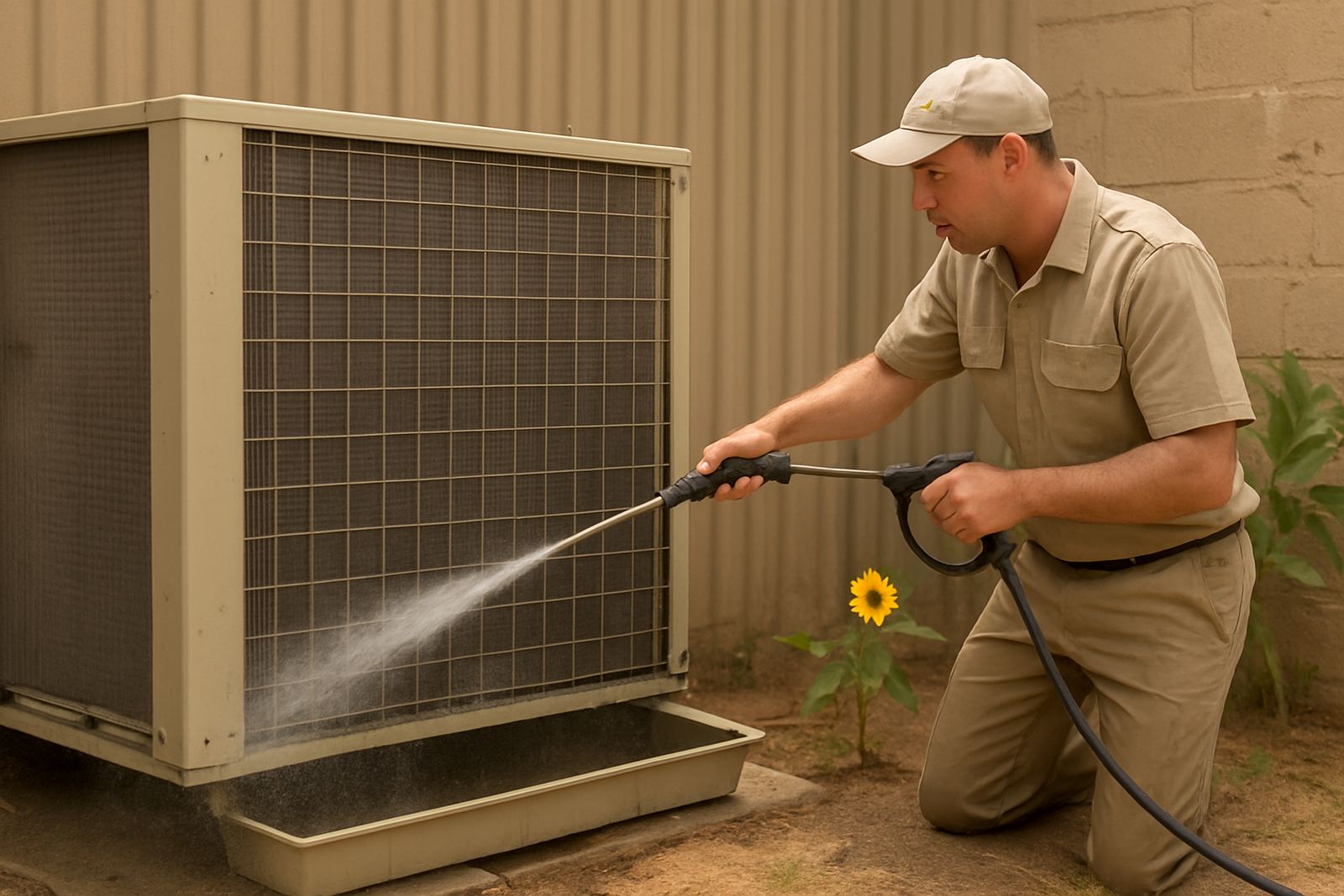
Our focus is to get the system stable first, then identify the cause properly so the same fault does not keep returning. That might mean a tripped control, failed contactor, dirty condenser, refrigerant loss, blocked drain, fan motor failure or a control issue after load shedding. In coastal areas the combination of salt air and humidity can also shorten component life, so we check for corrosion and moisture related damage too.
- Cold rooms and freezer rooms
- Packhouses and food prep areas
- Display and storage chillers
- Cooling systems for production spaces
What our emergency visit includes
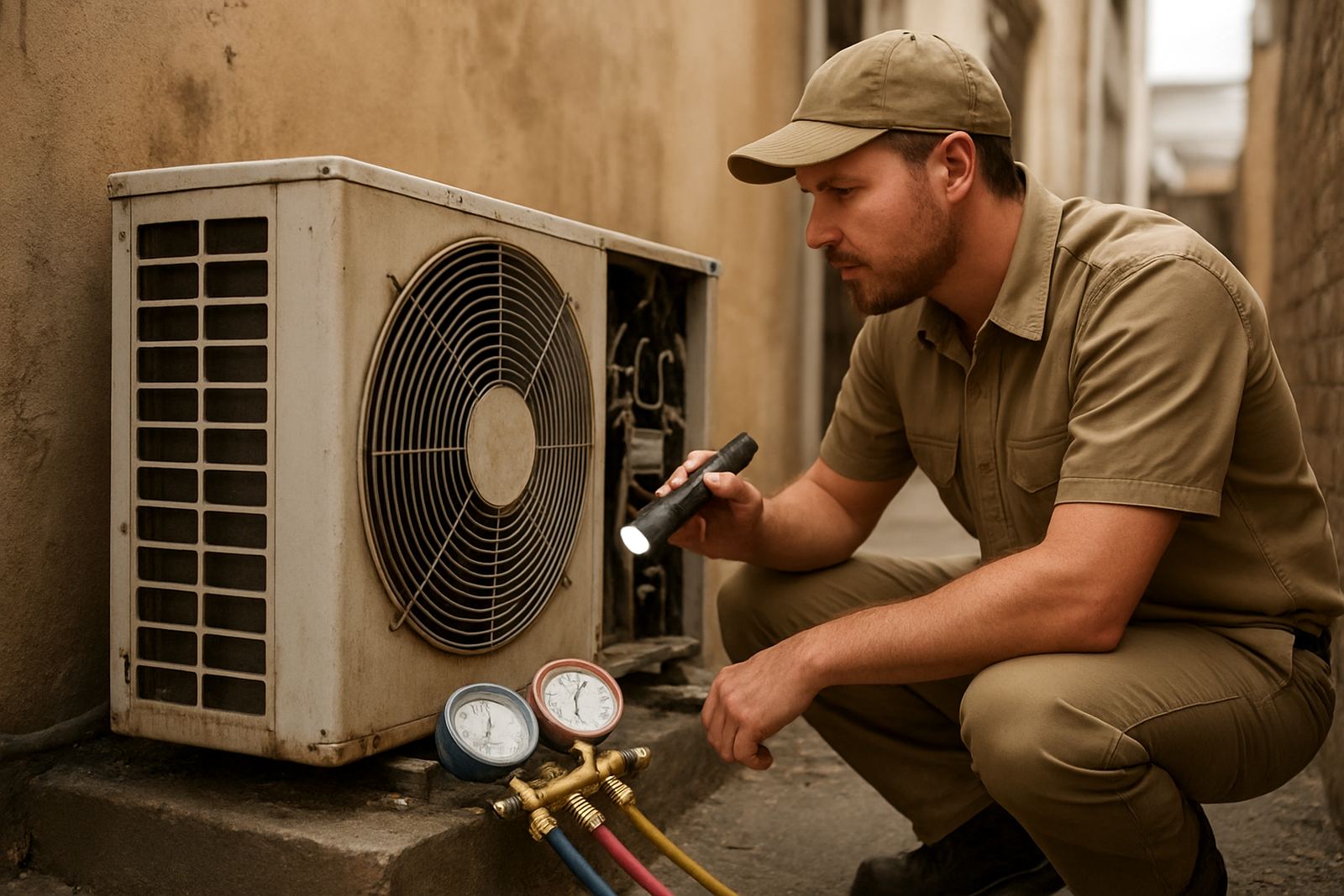
Every breakdown visit starts with a safety check and a structured fault trace. We isolate the system where needed, inspect visible damage and test key operating points so we can see what failed and why. If parts are available on site, we aim to carry out the repair there and then. If not, we secure the system and give you a clear next step before leaving.
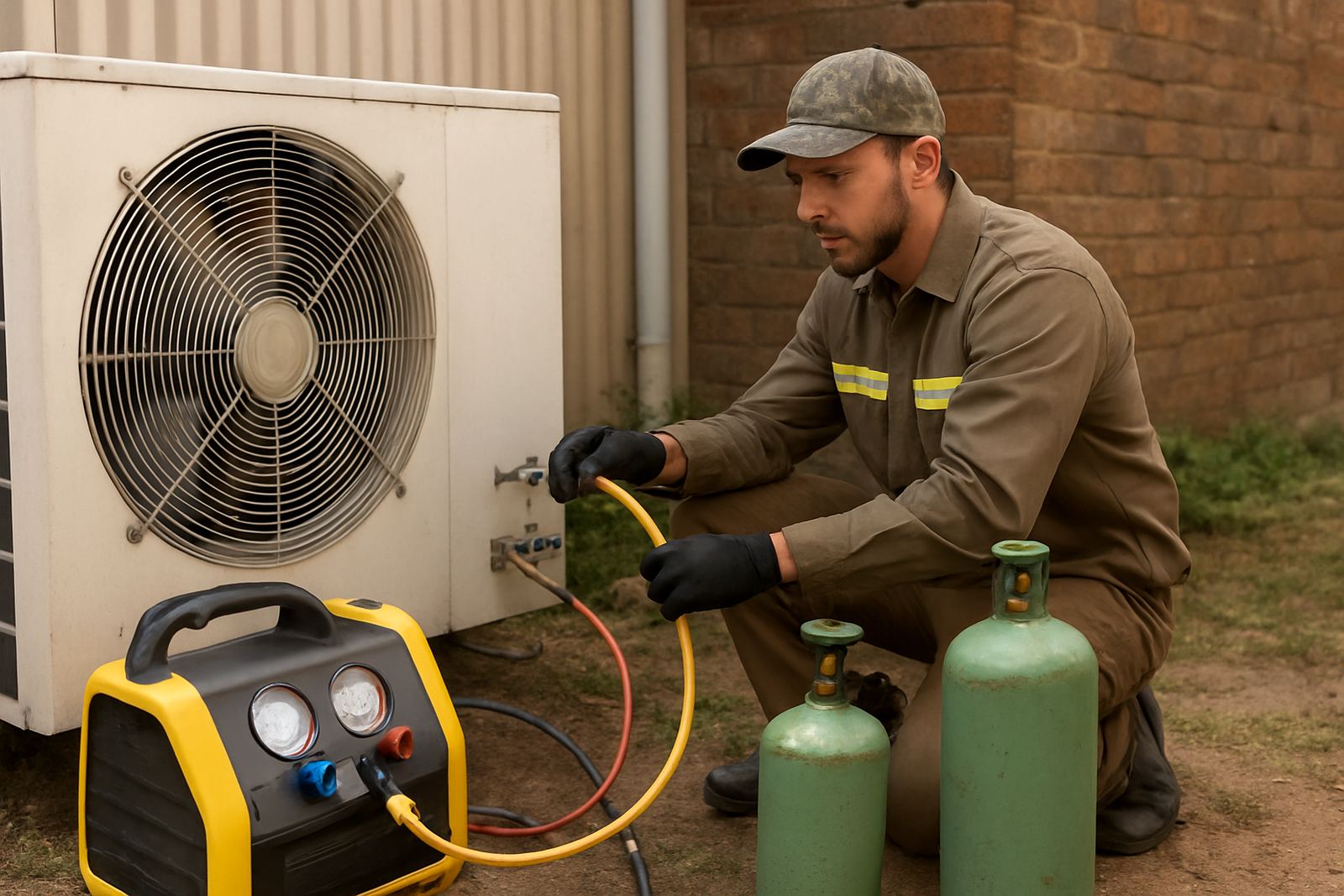
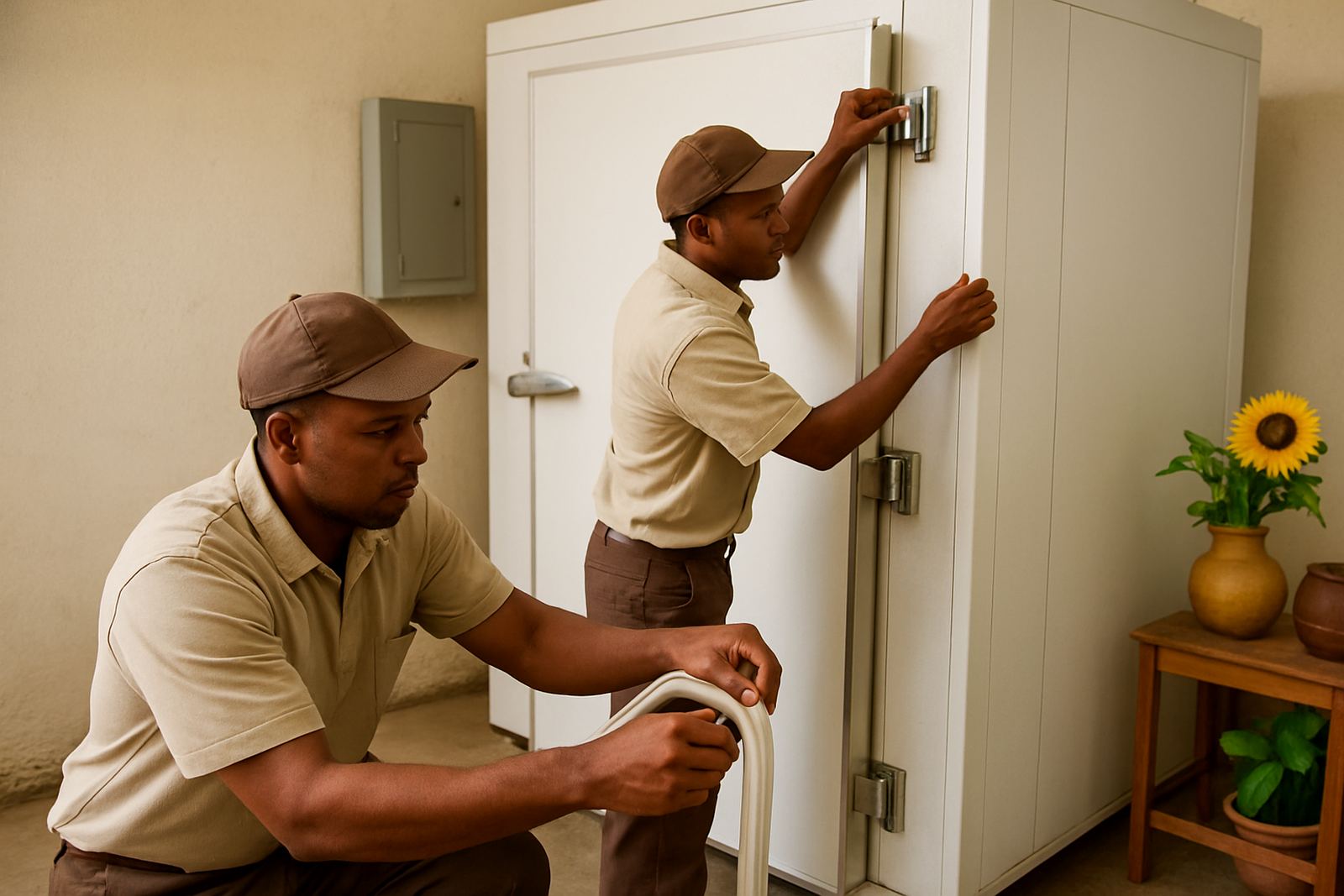
Typical emergency work includes checking supply voltage, control signals, pressure readings, fan operation, compressor protection, refrigerant charge, defrost cycles and sensor accuracy. For cold rooms we also look at door seals, panel joints and temperature recovery after each door opening. If the unit is still running but not cooling properly, that fault needs quick attention before stock losses start to climb.
- Fault diagnosis on site
- Electrical and mechanical checks
- Refrigerant and pressure testing
- Temporary stabilisation if a full repair must be scheduled
Our breakdown response process
Once you call or email hello@nvirocool.co.za, Ayabulela Ndlovu co-ordinates the job and confirms the site details, equipment type and symptoms. Where possible we ask for temperature readings, alarm codes and a quick description of what changed before the fault started, because that saves time on site. After that, a technician is dispatched and the issue is assessed on arrival.
Our process is straightforward. We first identify the immediate risk to stock or production, then isolate the fault and carry out the repair that restores safe operation. If the issue needs a special part, Ruan Smit or Siyabonga Mthembu will confirm the exact requirement, and Leanne Petersen will help with the commercial side so you are not left guessing on costs or timelines.
- Step 1: intake and triage
- Step 2: site inspection and testing
- Step 3: repair, replacement or temporary make-safe
- Step 4: confirm temperatures and handover notes
Turnaround times and after-hours support
Breakdown work is always prioritised ahead of routine maintenance. In Gqeberha we generally aim for same-day response where the call comes in early enough and access is straightforward, while surrounding towns are planned according to distance, traffic and site urgency. For critical stock risk, we treat the job as urgent from the first phone call.
Some faults are resolved in one visit, particularly where it is a failed relay, dirty coil or control setting issue. Others take longer because the fault is intermittent or a part must be sourced, and in those cases we keep you updated so you can make decisions about stock movement or temporary backup cooling. Power interruptions can also hide a fault, so we may recommend a follow-up check once the unit has run through a full cycle again.
We work with businesses that cannot wait for office-hours only support. If the fault happens after a shift change or during a delivery window, we will advise on the quickest safe route to get the system back under control.
Pricing that fits the fault, not guesswork
Emergency breakdown pricing is based on the actual work needed, not on a one-size quote that ignores site conditions. We consider call-out distance, time on site, the urgency of the job, parts required and whether the fault can be repaired immediately or needs a return visit. That keeps the pricing fair for both small business users and larger industrial sites.
Before major work proceeds, we explain what is essential right now and what can wait until normal maintenance hours. If a temporary repair will keep product safe until a planned fix, we say so. If the system is at risk of repeated failure, we will point out the root cause and the likely long term cost if it is left alone.
- Call-out charge and labour are confirmed up front where possible
- Parts are quoted once the fault is identified
- After-hours and long-distance jobs are priced transparently
Keeping breakdowns from becoming repeat problems
Emergency repairs solve the urgent issue, but the best savings come from preventing the next call-out. We recommend maintenance intervals based on the type of equipment and how hard it works. A busy cold room or chiller in a coastal environment may need monthly checks, while lighter-use systems can often run on a quarterly schedule if the site is stable and clean.
During planned maintenance we look at coil condition, airflow, drain function, temperature control and obvious wear before it turns into a breakdown. We also flag problems that often show up after load shedding, such as contactor wear, control resets and stressed compressors. A short maintenance visit now is usually cheaper than losing product later, especially where a room is cycling hard or the temperature recovery time is too slow.
- Monthly checks for high-use or critical systems
- Quarterly servicing for standard commercial equipment
- Immediate review after repeated trips or temperature drift
- Extra checks after power interruptions or storm exposure
Key facts
| Response area | Gqeberha, Uitenhage, Despatch, Jeffreys Bay, Graaff-Reinet, Port Alfred |
|---|---|
| Base | Newton Park, Gqeberha |
| Core emergency systems | Cold rooms, chillers, freezers, food service refrigeration, plant cooling |
| Common fault checks | Voltage, controls, refrigerant pressure, fan motors, defrost, sensors, contactors |
| Typical response | Same-day in Gqeberha where possible, urgent triage for critical stock risk |
| Recommended maintenance intervals | Monthly for high-use sites, quarterly for standard commercial systems |